

CPAP & BIPAAP MASK
CPAP & BiPAP Mask Buying Guide (2026): Types, Sizes, Prices & How to Choose the Right Mask
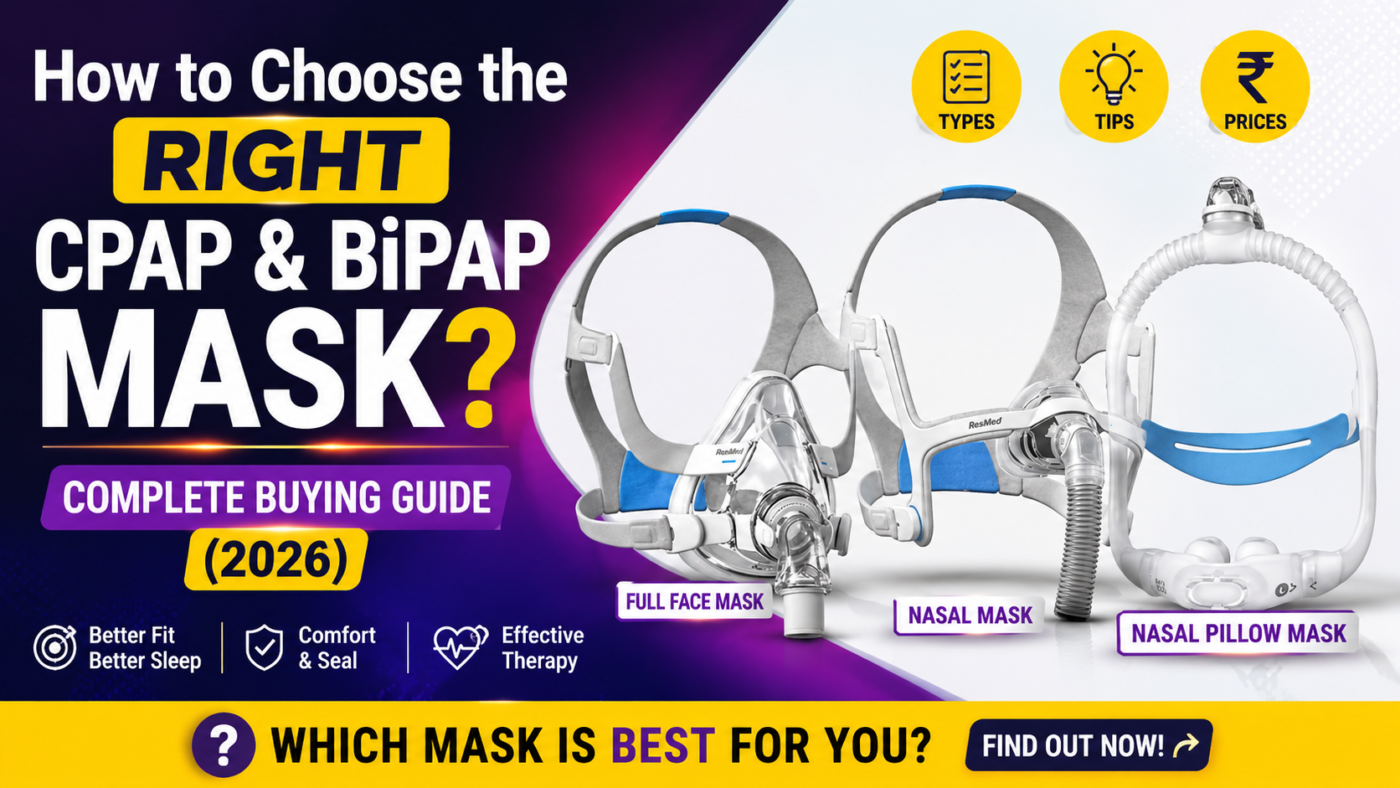
How to Choose the Right Mask for CPAP and BiPAP Therapy? Complete Guide
If you’ve been advised to use a CPAP (Continuous Positive Airway Pressure) or BiPAP (Bilevel Positive Airway Pressure) machine for sleep apnea or a breathing disorder, the most important decision you’ll make is choosing the right mask. The wrong mask can make your therapy ineffective, while the right one can significantly improve both your sleep and your overall health.
In this blog, we’ll walk through the different types of masks available, which mask suits which situation, the key factors to consider before choosing one, and their typical price ranges.
Why Is the CPAP/BiPAP Mask So Important?
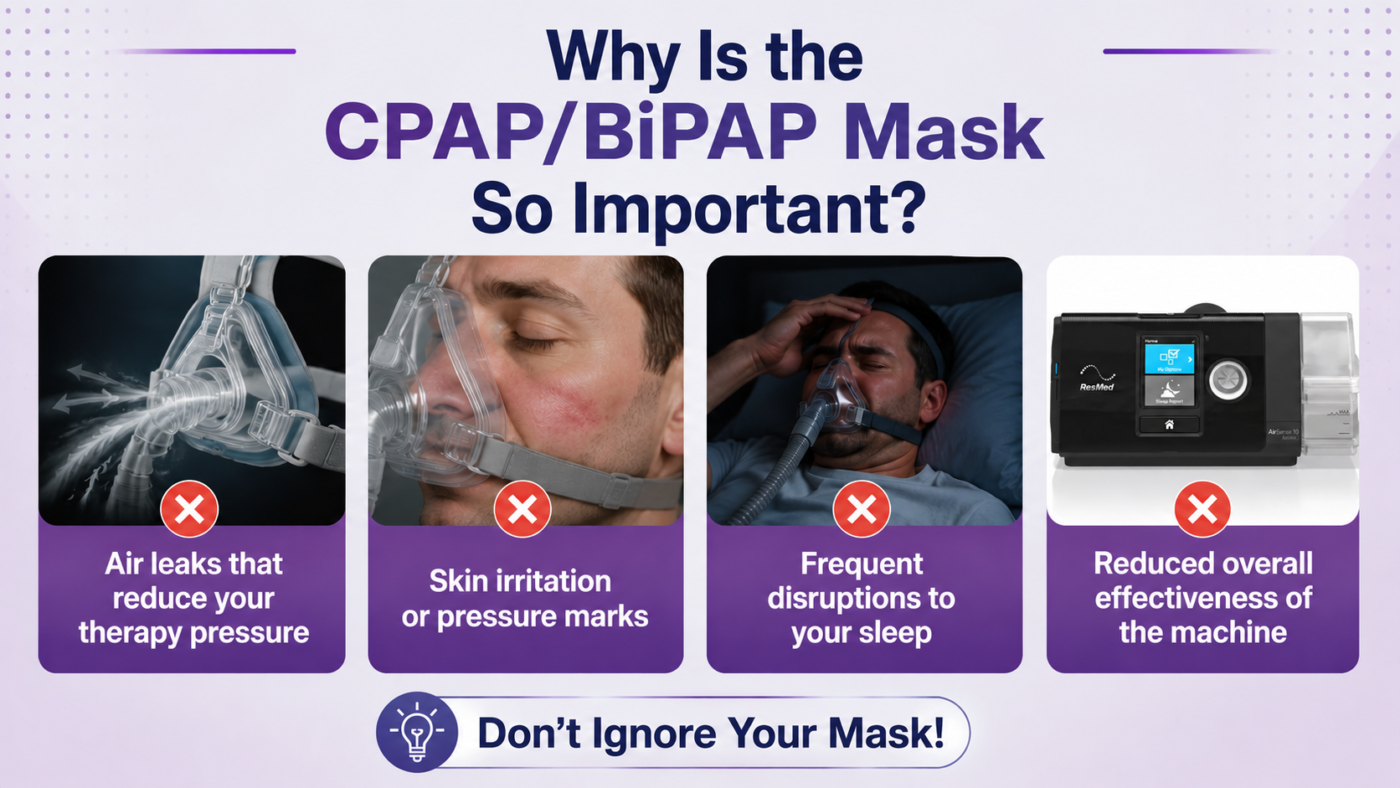
The mask is what delivers the air pressure from your machine into your airway. If the mask doesn’t fit properly, you may experience:
- Air leaks that reduce your therapy pressure
- Skin irritation or pressure marks
- Frequent disruptions to your sleep
- Reduced overall effectiveness of the machine
That’s why choosing a mask shouldn’t be rushed — it’s worth taking the time to find the right fit.
Key Factors to Consider When Choosing a CPAP/BiPAP Mask
🛌 Sleeping Position
If you sleep on your side or stomach, a low-profile mask such as a nasal pillow or nasal mask usually offers better comfort and fewer air leaks.
😮💨 Breathing Pattern
If you breathe through your mouth or frequently experience nasal blockage, a full face mask is generally the most suitable option.
⚙️ Pressure Setting
For higher pressure settings, especially with BiPAP therapy, full face and nasal masks usually provide a more secure and stable seal than nasal pillows.
📏 Face Shape & Size
Masks come in different sizes (Small, Medium, Large). Choosing the correct size helps prevent air leaks, pressure marks, and discomfort. Always refer to the manufacturer’s sizing guide.
🧔 Facial Hair
If you have a beard or moustache, a nasal pillow mask often creates a better seal compared to larger masks.
😊 Skin Sensitivity
If you have sensitive skin, look for masks with soft silicone or gel cushions to minimize irritation and facial marks.
💜 Claustrophobia
If you dislike the feeling of wearing a large mask, choose a nasal pillow mask, which offers minimal facial contact and a more open field of vision.
✈️ Travel Needs
Frequent travelers should consider lightweight and compact masks, such as nasal pillow masks, which are easier to pack and carry.
✅ Comfort Trial
Whenever possible, try the mask before purchasing. Many suppliers offer trial periods or return policies to help you find the most comfortable fit.
🧼 Cleaning & Maintenance
Choose a mask that matches your maintenance preference. Simpler designs with fewer components are generally easier and faster to clean.
CPAP/BiPAP Mask Price Range (India)
Mask prices vary depending on the type, brand, and material. Below is an approximate price range. Prices are subject to change, so please check the latest pricing before ordering.
| Mask Type | Approximate Price Range |
|---|---|
| Nasal Pillow Mask | ₹2,500 – ₹6,000 |
| Nasal Mask | ₹3,500 – ₹9,000 |
| Full Face Mask | ₹5,000 – ₹15,000 |
| Hybrid Mask | ₹6,000 – ₹12,000 |
Note: These are general market price ranges and may vary depending on the brand, model, and material. Popular brands include ResMed, Philips Respironics, and BMC. For the latest pricing and availability, please visit our product page or contact our customer support team.
Risks of Choosing the Wrong Mask
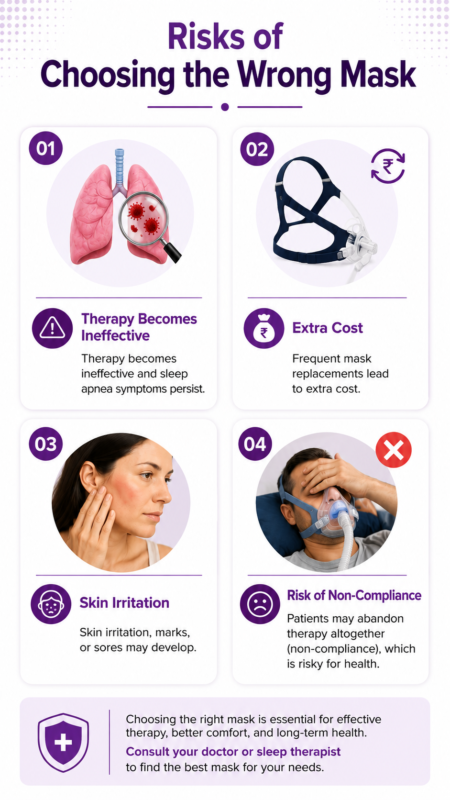
- Therapy becomes ineffective and sleep apnea symptoms persist
- Frequent mask replacements lead to extra cost
- Skin irritation, marks, or sores may develop
- Patients may abandon therapy altogether (non-compliance), which is risky for health
Types of CPAP / BiPAP Masks
Select the right CPAP or BiPAP mask according to your sleeping style, breathing pattern, and comfort preferences for the best therapy experience.
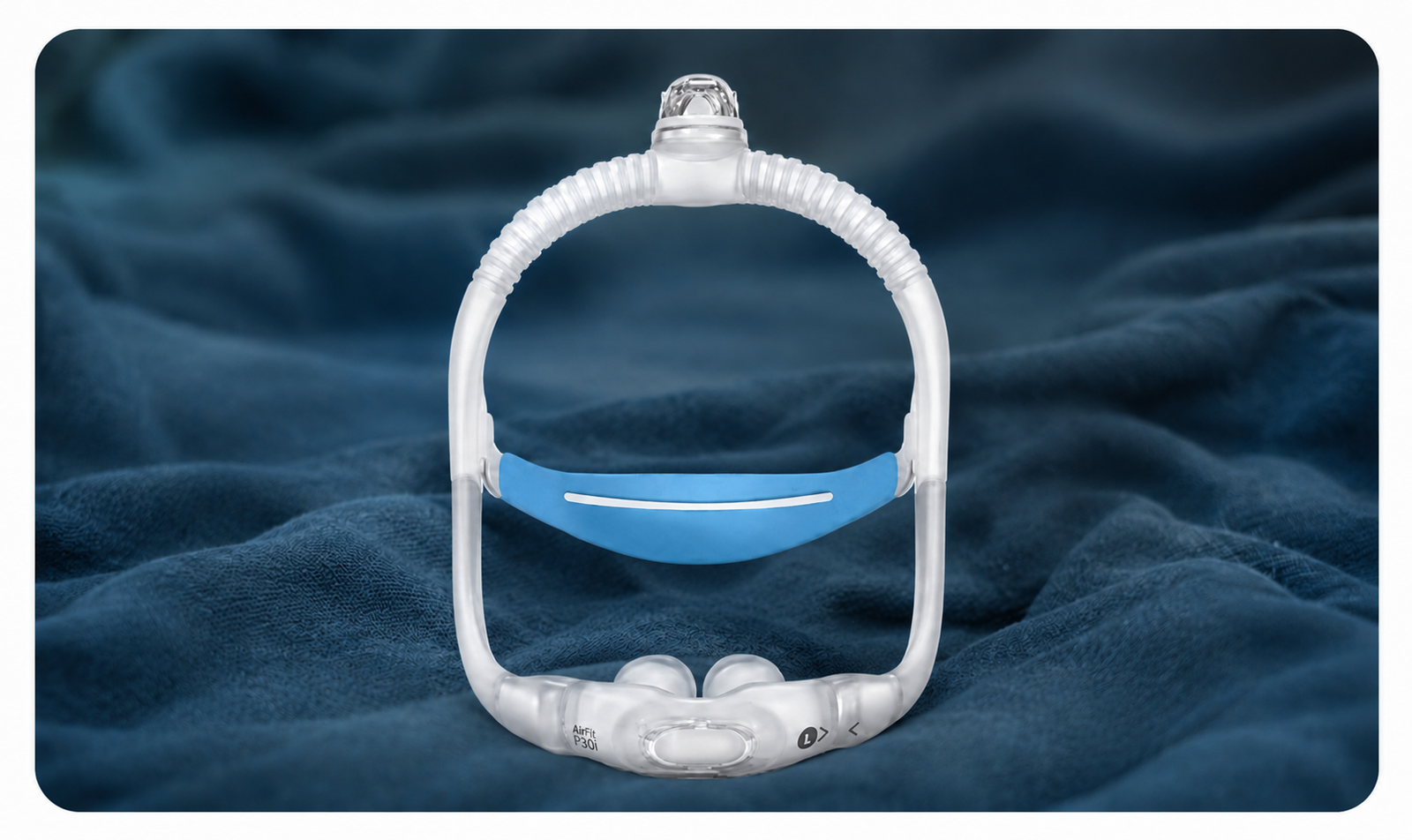
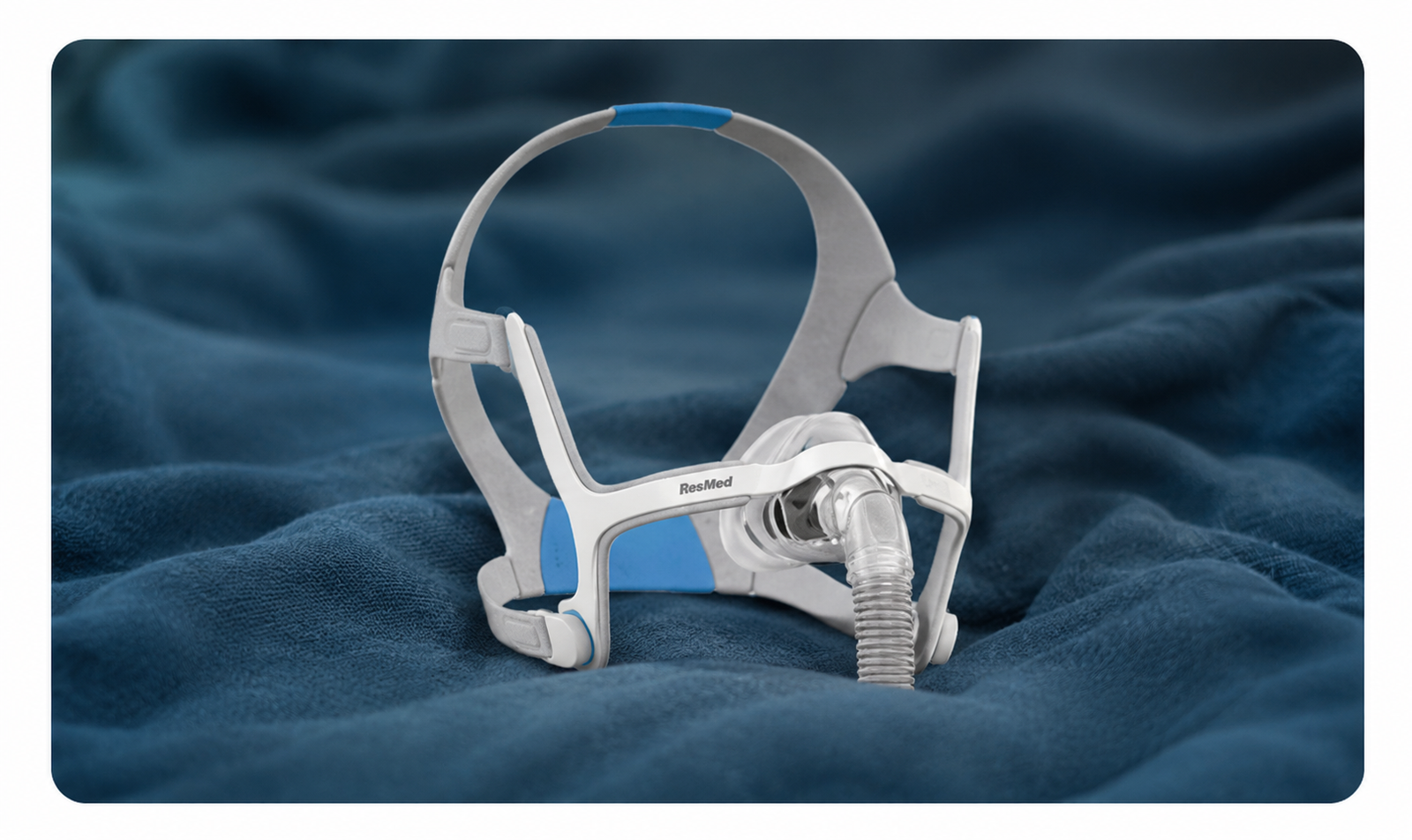
Nasal Pillow Mask
The smallest and lightest CPAP/BiPAP mask that fits directly into the nostrils for minimal facial contact.
- ✔ Best for Side Sleepers
- ✔ Great for Beard & Moustache
- ✔ Lightweight & Minimal Design
- ✔ Comfortable with Glasses
Nasal Mask
Covers the entire nose and provides an excellent balance of comfort and performance for everyday CPAP therapy.
- ✔ Best All-Round Choice
- ✔ Stable Fit
- ✔ Medium & High Pressure Support
- ✔ Comfortable for Daily Use
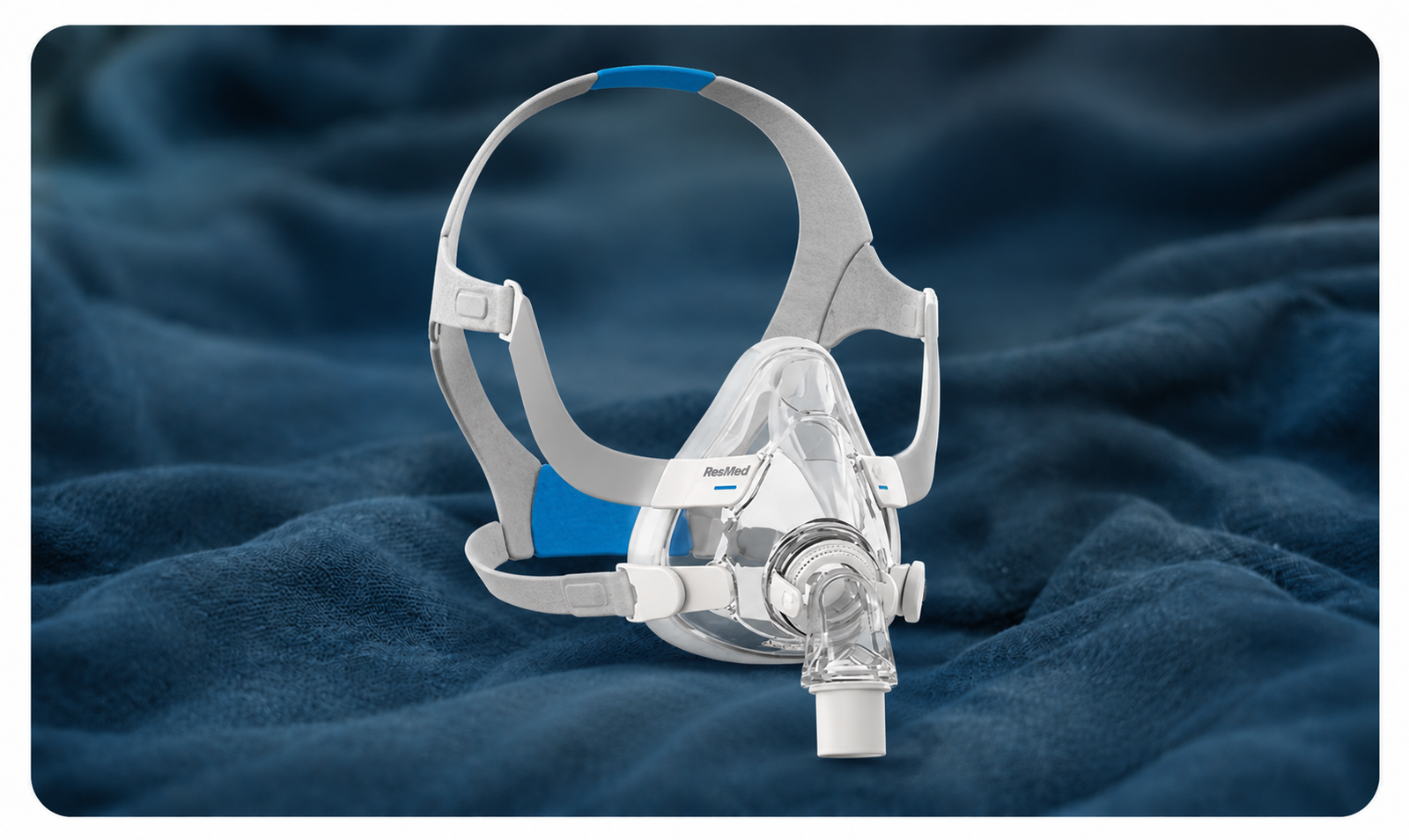
Full Face Mask
Covers both the nose and mouth, making it ideal for mouth breathers and high-pressure BiPAP users.
- ✔ Best for Mouth Breathers
- ✔ High Pressure Therapy
- ✔ Reliable Air Seal
- ✔ Perfect During Nasal Congestion
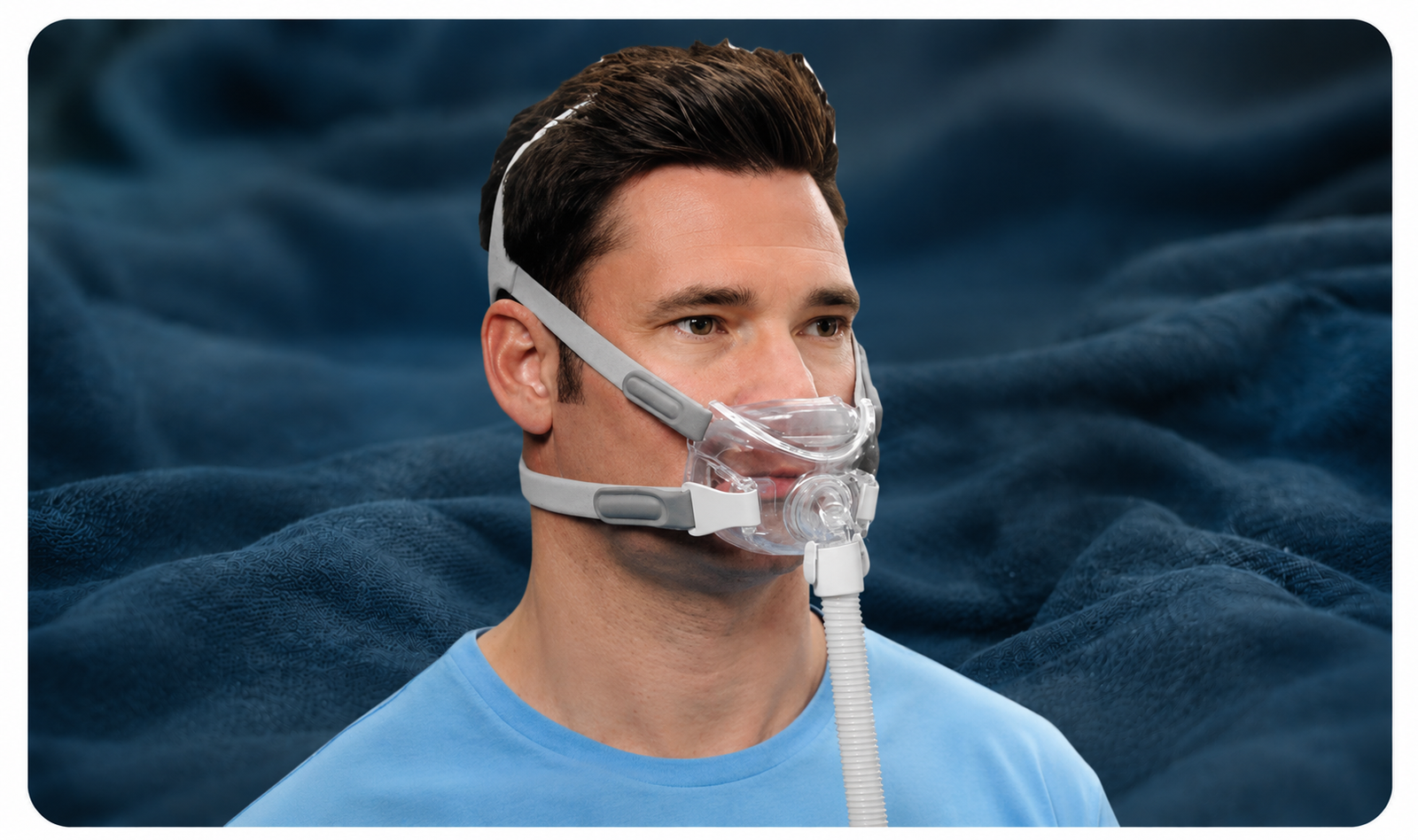
Hybrid Mask
A combination of nasal pillow and full-face mask that leaves the nose bridge free while covering the mouth.
- ✔ Reduced Nose Bridge Pressure
- ✔ Great for Mouth Breathers
- ✔ Better Comfort
- ✔ Modern Ergonomic Design
Frequently Asked Questions (FAQs) – CPAP/BiPAP Masks
Click on any question below to view the answer.
1. What’s the difference between a CPAP mask and a BiPAP mask?
2. How do I know if my mask size is correct?
3. Is it normal for a mask to leak?
4. How often should I replace my mask?
5. Can I buy any mask without consulting a doctor?
6. Which CPAP/BiPAP mask is the most comfortable?
7. Is it necessary to use a humidifier with the mask?
8. Do I need to clean my CPAP/BiPAP mask every day?
✅ Conclusion
Choosing the right CPAP or BiPAP mask is just as important as selecting the therapy machine itself. Your sleeping position, breathing pattern, comfort level, facial structure, and budget all play a vital role in finding the ideal mask. A properly fitted mask improves therapy effectiveness, enhances comfort, reduces air leaks, and encourages long-term compliance. If you’re unsure which mask is right for you, our experts are happy to help you choose the best option based on your individual needs and therapy requirements.
⚠️ Medical Disclaimer
The information provided in this article is intended for general educational purposes only and should not be considered medical advice. CPAP/BiPAP therapy, pressure settings, and mask selection should always be based on the recommendation of a qualified doctor or sleep specialist after evaluating your medical condition. Never change your prescribed therapy without consulting your healthcare provider.
