
Uncategorized
Oxygen Cylinder vs Portable Oxygen Can Complete 2026 Guide By Sachin Chawla.
Jun
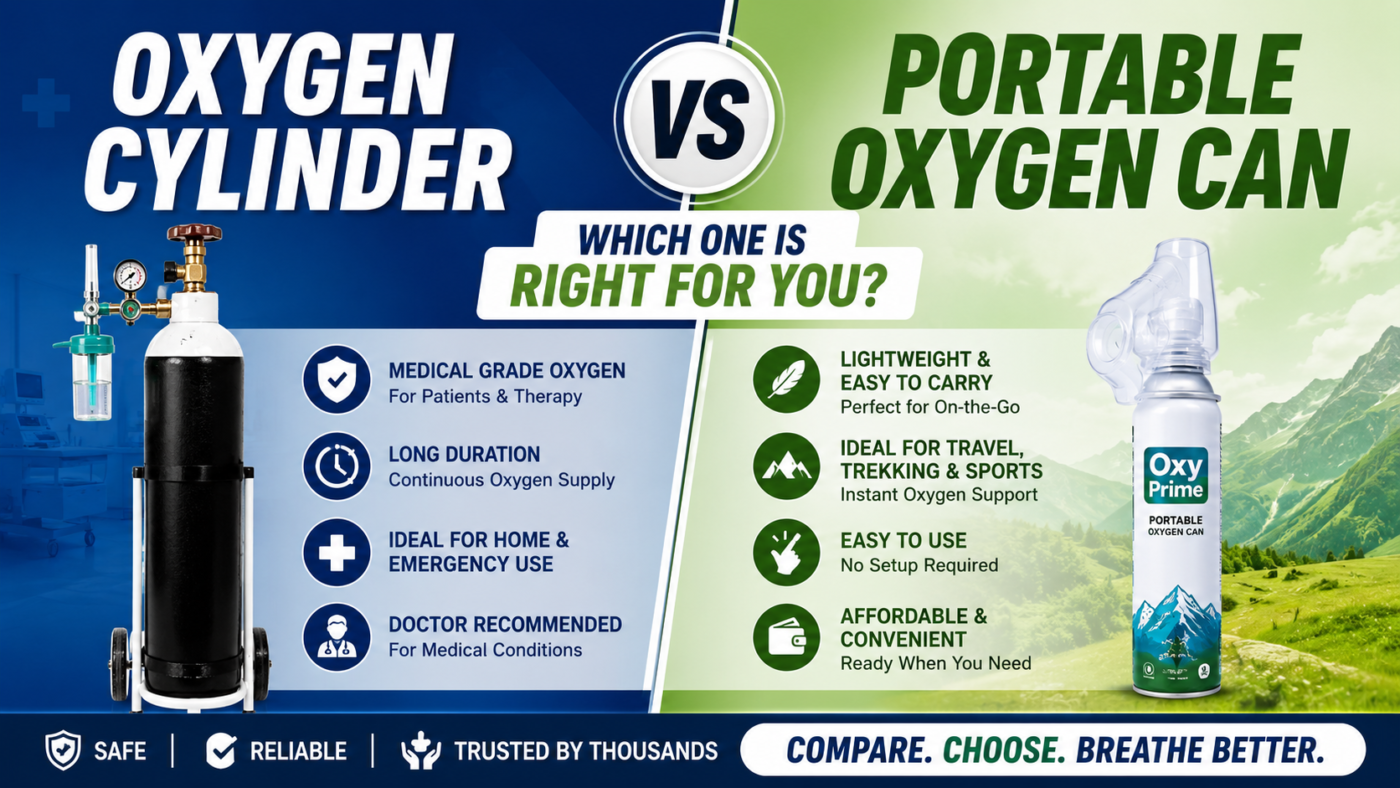
If you’ve ever felt breathless after a trek, struggled on a high-altitude trip, or worried about a family member’s breathing during a pollution spike, you’ve likely landed on this exact question: should I get an oxygen cylinder, or will a portable oxygen can like OxyPrime do the job?
This guide answers that clearly — with real comparisons, honest pros and cons, and a simple framework to help you decide in minutes, not hours.
Introduction: What Are You Actually Choosing Between?
What Is an Oxygen Cylinder?
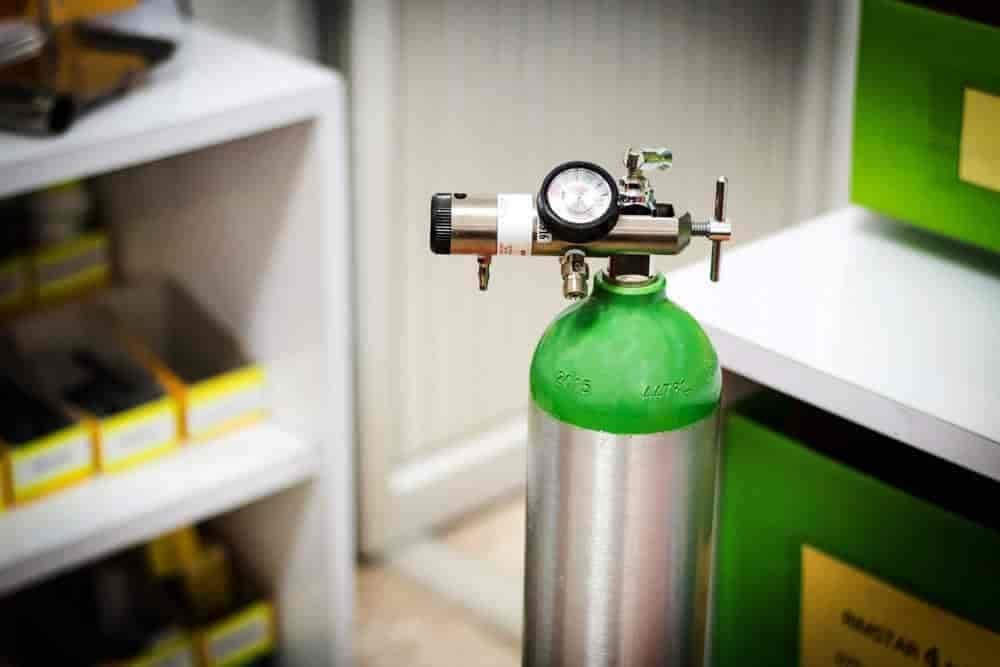
An oxygen cylinder is a pressurized steel or aluminum tank that stores medical-grade compressed oxygen gas. It’s connected to a pressure regulator and flow meter, and oxygen is delivered through a nasal cannula or face mask at a doctor-prescribed flow rate (measured in litres per minute). Cylinders are refillable and built for sustained, continuous oxygen therapy.
What Is a Portable Oxygen Can (Like OxyPrime)?
A portable oxygen can is a compact, pre-filled, single-use canister of supplemental oxygen. There’s no regulator, no tubing setup, and no waiting — you press the nozzle and inhale through the attached mask or nosepiece. It’s built for instant, short-term, on-demand use.
How They Work, in Simple Terms
| Topic | Oxygen Cylinder | Portable Oxygen Can |
|---|---|---|
| Mechanism | Pressure-regulated continuous flow | Direct-press burst inhalation |
| Setup | Regulator + flow meter + tubing | None — ready out of the box |
| Refillable | Yes | No (single-use, then replace) |
Both deliver supplemental oxygen — the difference is duration, setup, and purpose, not effectiveness for their intended use.
Who Uses These Products?
Typical Oxygen Cylinder Users

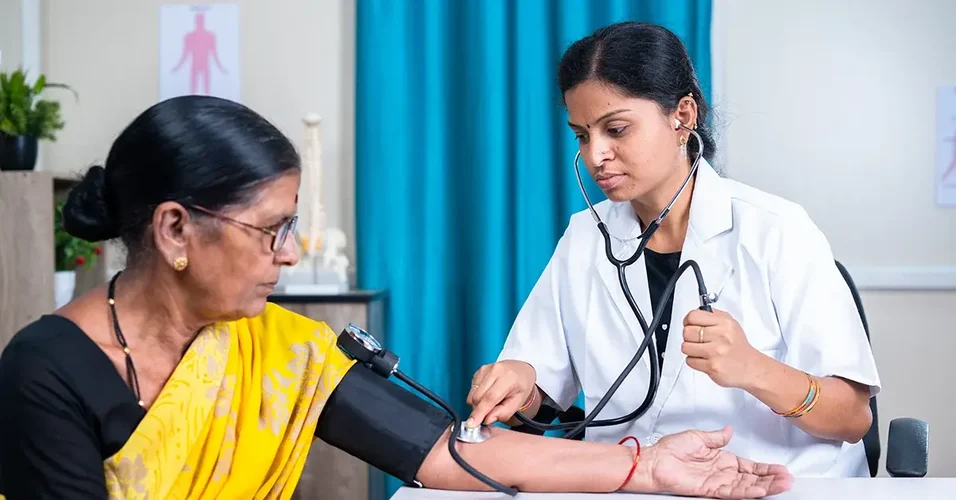
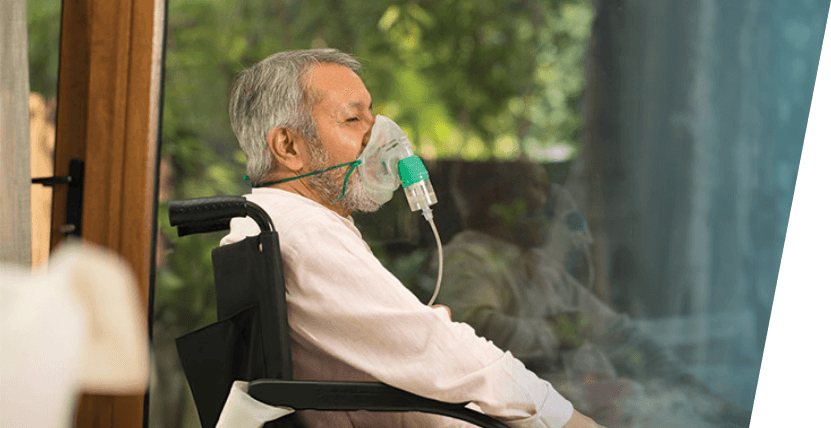
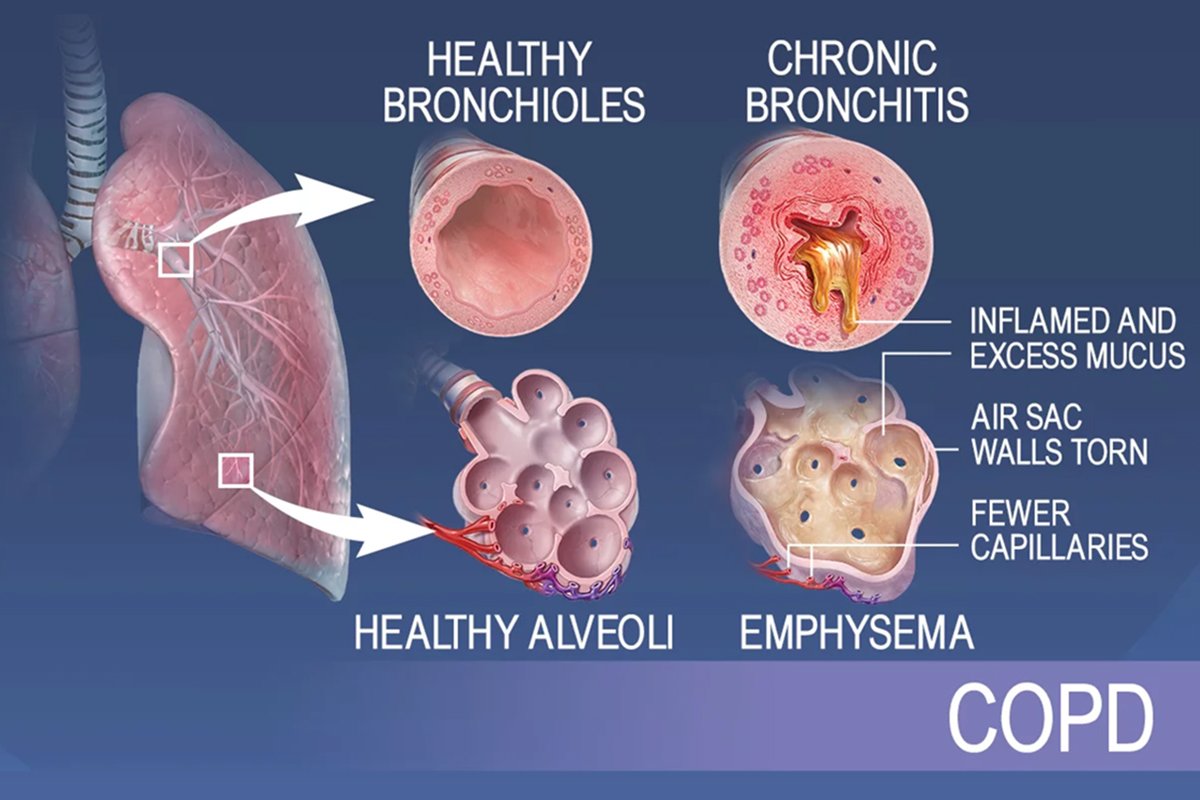
Respiratory Patients
Patients with diagnosed COPD, severe asthma, or chronic respiratory illnesses requiring oxygen support.

Post-Surgical Recovery
Patients discharged from ICU or surgery who need oxygen therapy during home recovery.

Elderly Care
Elderly patients under long-term doctor-supervised care who require continuous oxygen assistance.
Healthcare Facilities
Hospitals, nursing homes, clinics, and ambulance services for emergency and routine care.
Who Uses Portable Oxygen Cans?
Portable oxygen cans are designed for people experiencing temporary breathlessness, fatigue, altitude-related discomfort, or those seeking an oxygen boost during travel, exercise, and daily activities.

Trekkers & Mountaineers
Ideal for people heading to high-altitude regions where oxygen levels are lower.

Travelers
Helpful during long journeys, unfamiliar altitudes, and travel-related fatigue.

City Residents
Useful during smog seasons and periods of poor air quality in urban areas.
Athletes & Gym-Goers
Often used after intense workouts for quick recovery and refreshment.

Office-Goers & Students
For occasional fatigue, long working hours, mental exhaustion, or mild breathlessness.

Families & Emergency Backup
Convenient to keep at home or in the car for temporary oxygen support when needed.
Key Difference
Medical Oxygen Cylinders are intended for patients with diagnosed respiratory conditions under medical supervision, while Portable Oxygen Cans are commonly used by a broader wellness-focused audience experiencing temporary or situational breathlessness.
When Should You Use an Oxygen Cylinder?
Oxygen cylinders are designed for medical oxygen therapy and are commonly recommended when patients require continuous oxygen support, prescribed oxygen flow rates, or long-term respiratory care.

Real-world example: A family driving to Manali or Leh, wanting a few cans on hand in case someone feels lightheaded at altitude — no prescription, no setup, just immediate relief.
The simple rule: Duration and diagnosis point you to a cylinder. Convenience and occasional need point you to OxyPrime.
Detailed Comparison Table
| Specification | Oxygen Cylinder | OxyPrime Portable Oxygen Can |
|---|---|---|
| Weight | 5–20+ kg (cylinder + regulator) | Lightweight |
| Oxygen Purity | 99%+ medical-grade | 99.5% pure oxygen |
| Delivery Method | Continuous regulated flow (L/min) | Direct burst inhalation |
| Usage Duration | Hours to days (refillable) | inhalations per can (single-use) |
| Portability | Low — needs trolley/fixed space | High — fits in a bag or pocket |
| Setup Time | 5–10 minutes (regulator + mask) | Instant |
| Prescription Required | Usually yes, for therapeutic use | No, for general wellness use |
| Maintenance | Refills, regular safety inspection | None — use and replace |
| Storage Needs | Dedicated, upright, away from heat | Anywhere — bag, car, drawer |
| Best For | Chronic, continuous therapy | Occasional, on-demand relief |
| Approx. Price | ₹10,000+ upfront, plus refill costs | ₹200/- per can |
| Cost Per Use | Variable (depends on refill rate) | ——- |
Price Comparison: What You’re Really Paying For
A cylinder is a long-term investment — higher upfront cost, plus recurring refill and maintenance expenses, but justified for daily medical use. OxyPrime is a low-commitment, pay-as-you-need option — ideal if you only need oxygen support occasionally and don’t want to invest in equipment, storage, or refill logistics.
If you only need oxygen a handful of times a year (travel, altitude, emergencies), a cylinder’s upfront and maintenance cost rarely makes sense — a few OxyPrime cans work out far cheaper and simpler.
Why pay for equipment you’ll use twice a year? Get OxyPrime — pay only for what you need, when you need it. [Check OxyPrime Pricing →]
Advantages & Disadvantages
Understanding the strengths and limitations of each oxygen solution can help you choose the right option based on your specific needs, lifestyle and medical requirements.
🫁 Oxygen Cylinder
✅ Advantages
- Supports continuous, long-duration oxygen therapy
- Precise doctor-controlled flow rates
- Higher total oxygen capacity per fill
❌ Disadvantages
- Heavy and difficult to transport
- Requires setup, refills and servicing
- Higher long-term operating cost
- Not practical for travel or outdoor use
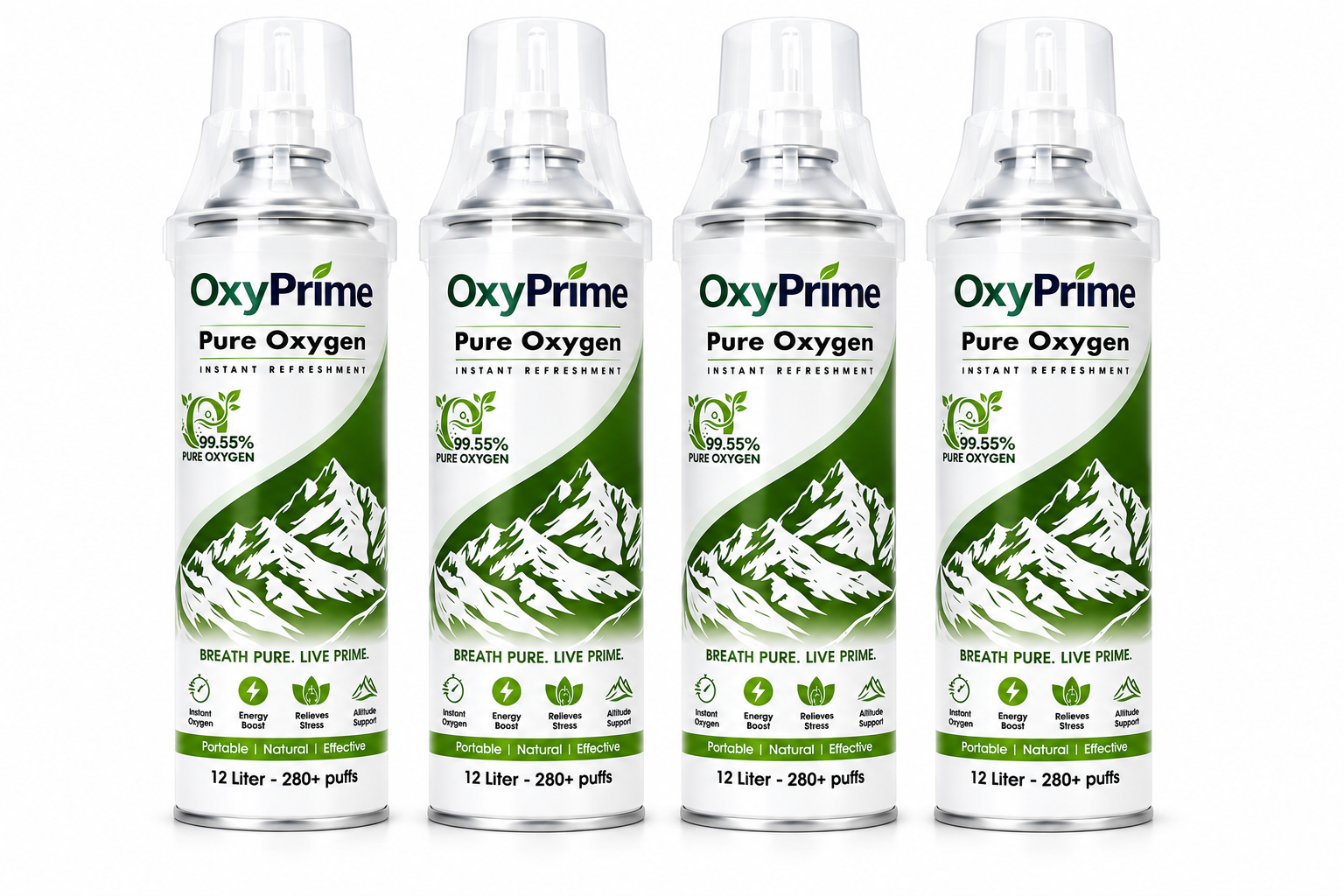
🚶 OxyPrime Portable Oxygen Can
✅ Advantages
- Instant use with zero setup time
- Lightweight and travel-friendly
- No prescription needed for wellness use
- Affordable with no maintenance costs
- Excellent emergency backup option
❌ Disadvantages
- Not suitable for continuous oxygen therapy
- Single-use canister with limited inhalations
💡 Quick Recommendation
If you require oxygen therapy for several hours every day due to COPD, ILD or another respiratory condition, choose an Oxygen Cylinder or Oxygen Concentrator. For travel, trekking, high-altitude trips, sports recovery, pollution exposure or occasional breathlessness, OxyPrime Portable Oxygen Can is the more convenient and affordable option.
👉 Buy OxyPrime Now
Oxygen Cylinder vs OxyPrime FAQs
Get answers to the most common questions about Oxygen Cylinders and OxyPrime Portable Oxygen Cans before making your purchase decision.
Medical Disclaimer
This article is written for general informational and educational purposes only and reflects the professional perspective of a Biomedical Engineer. It is not medical advice, diagnosis, or treatment, and should not be used as a substitute for consultation with a qualified healthcare provider. Portable oxygen cans, including OxyPrime, are intended for general wellness and occasional supplemental use only and are not a treatment for any medical condition. If you have a diagnosed respiratory condition, experience persistent breathlessness, or are uncertain about your oxygen needs, please consult a licensed physician before use.
