

Ventilator
Ventilator on Rent: Complete Guide for Home & Emergency Care
Oct
Ventilator on Rent: Complete Home Care Guide
Understanding ventilator rental, invasive and non-invasive ventilation, home setup, caregiver training, emergency support and the important questions to ask before renting.

What You Need to Know Before Renting
A ventilator is not simply another medical appliance. The correct device depends on the patient’s respiratory requirements, prescribed therapy, care environment and caregiver capability.
When Buying Immediately Isn’t Always Practical
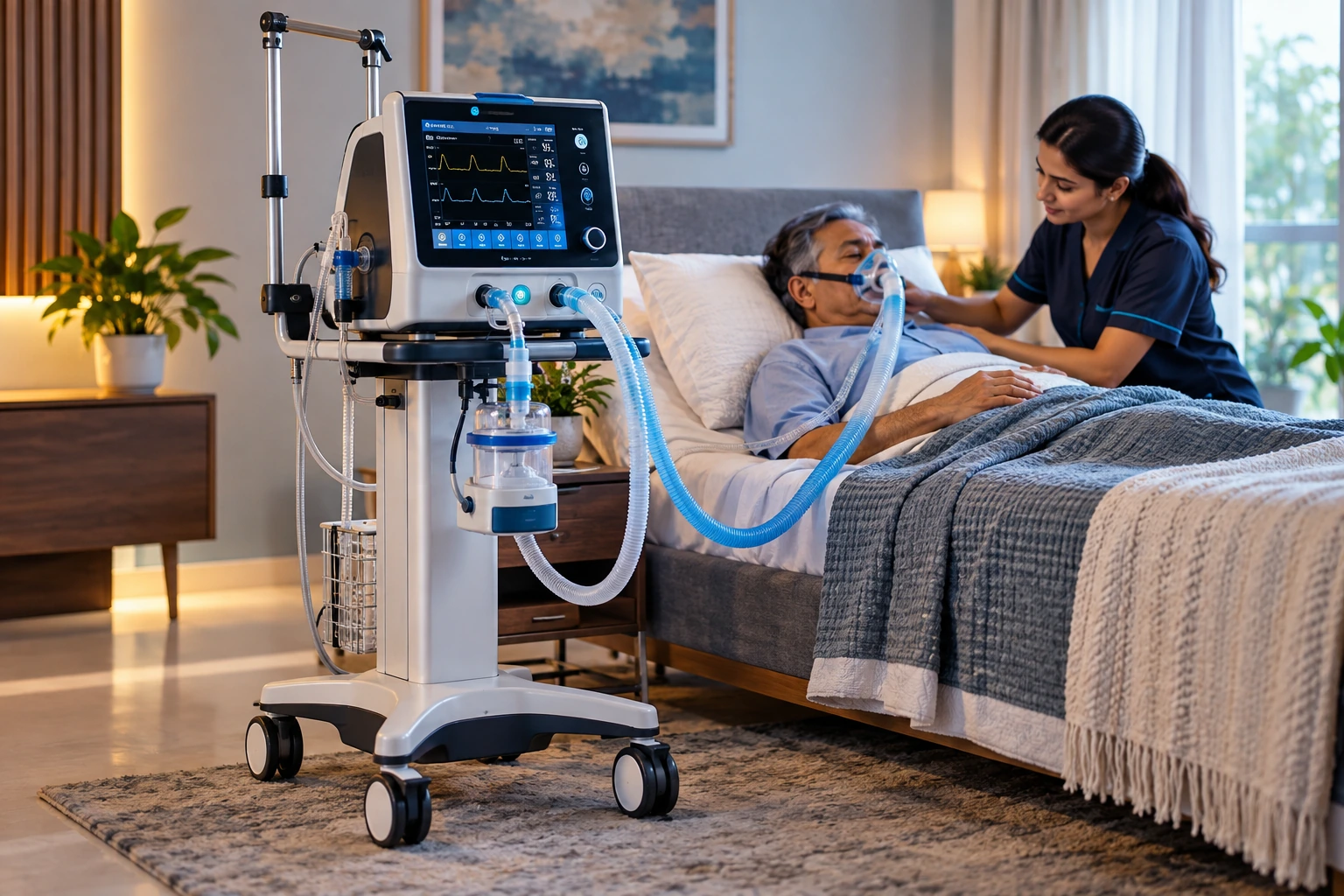
The requirement for respiratory support can appear unexpectedly. A patient may return home after an ICU stay, require continued respiratory assistance during recovery, or need support while a longer-term equipment decision is being arranged.
Rental allows families to access suitable equipment for the period it is required without immediately taking on the full purchase cost.
Temporary Care
Useful when the expected duration of support is uncertain.
Post-ICU
Equipment may be required after discharge under a clinician-directed care plan.
What Exactly Does a Ventilator Do?
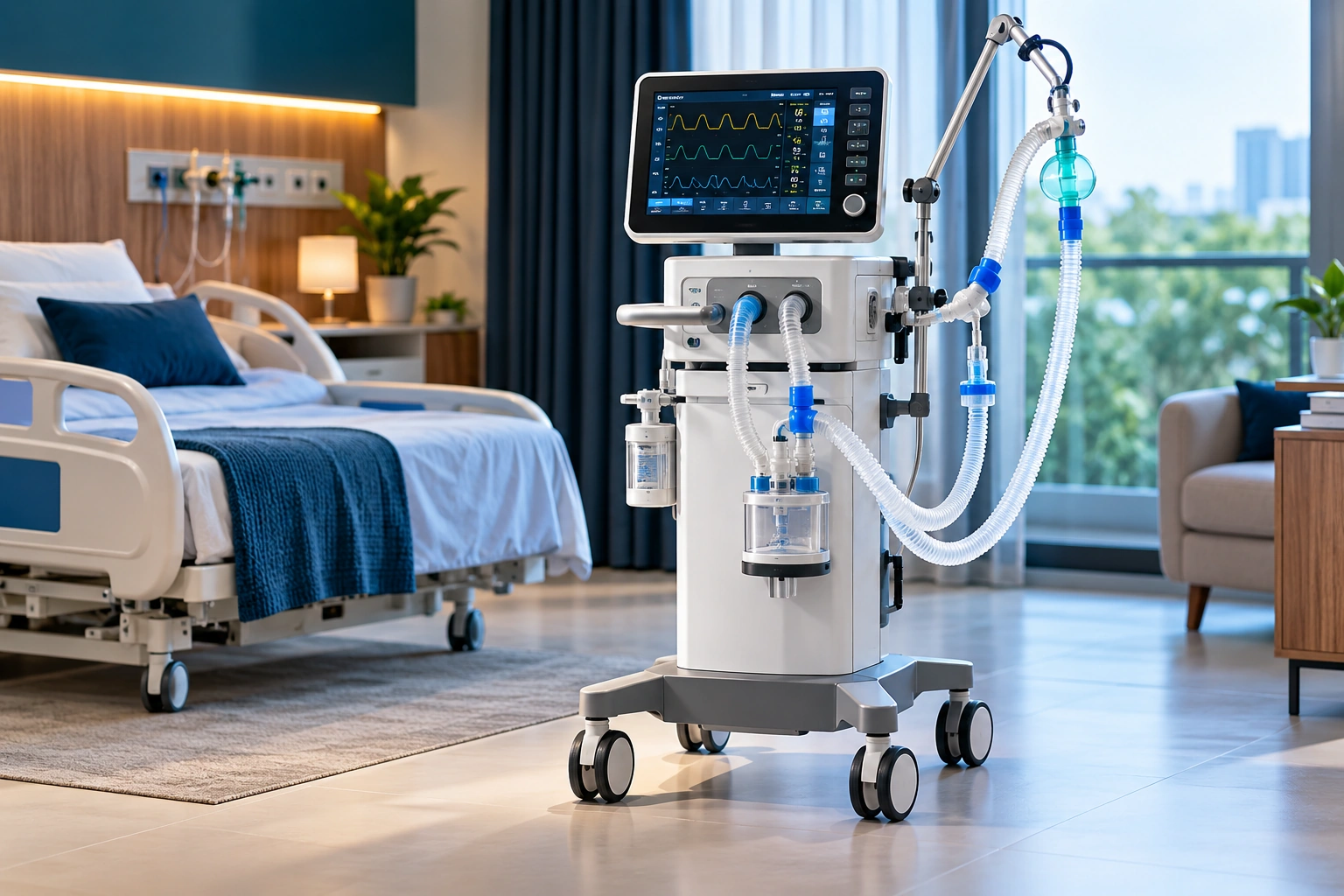
A ventilator is a medical device that helps provide mechanical breathing support when a person cannot breathe adequately without assistance.
Depending on the clinical situation, the machine can provide a substantial level of respiratory assistance or supplement the patient’s own breathing.
Ventilator ≠ Oxygen Concentrator
Oxygen therapy and mechanical ventilation address different respiratory problems. A family should not select a ventilator simply because a patient requires oxygen.
The treating healthcare professional should determine which type of respiratory support is appropriate.
Invasive vs Non-Invasive Ventilation
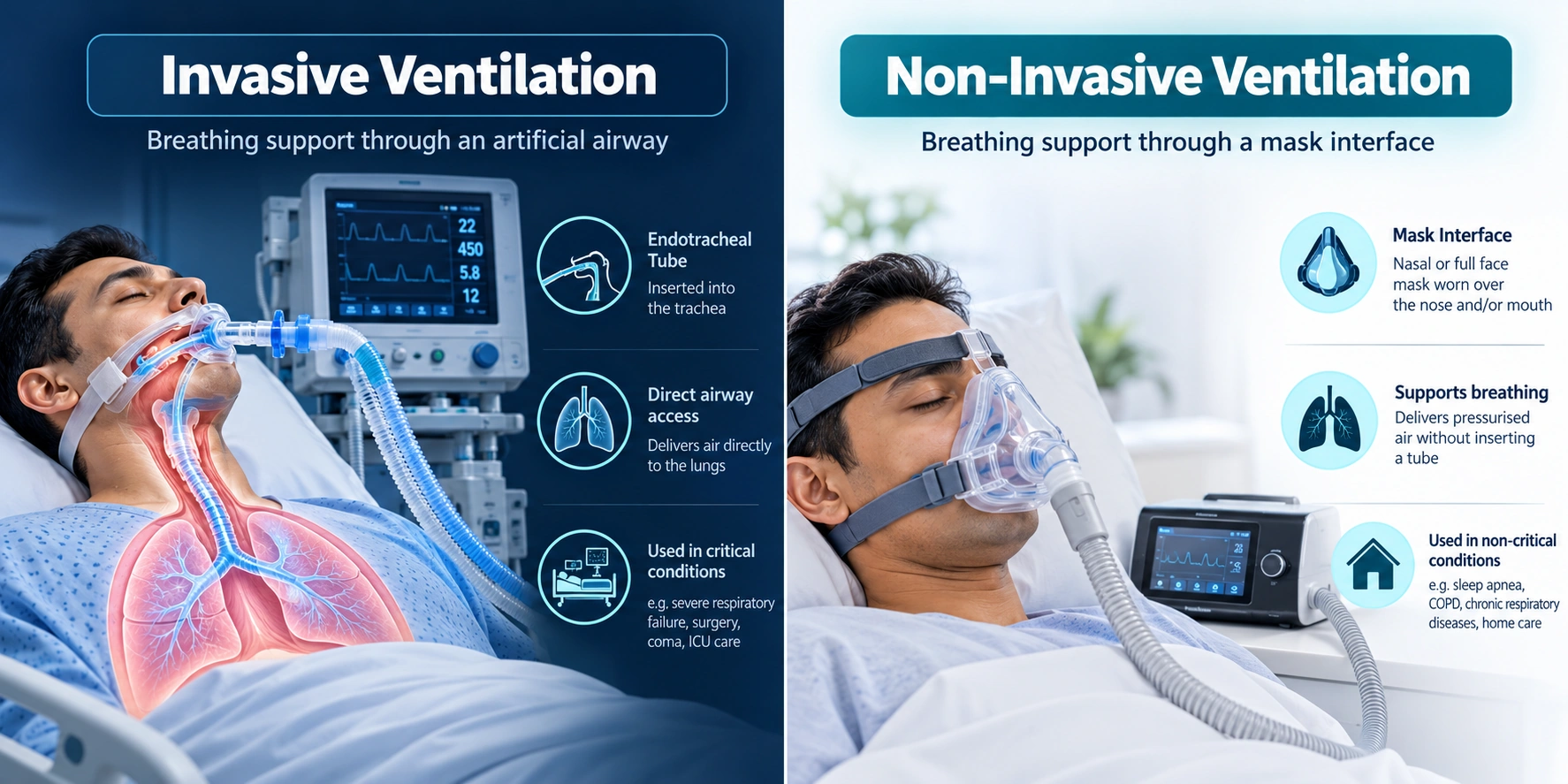
The primary distinction is how respiratory support connects with the patient’s airway.
Invasive Ventilation
- Uses an artificial airway.
- May involve an endotracheal tube or tracheostomy.
- Generally requires close clinical supervision.
- Appropriate equipment and trained personnel are essential.
Non-Invasive Ventilation
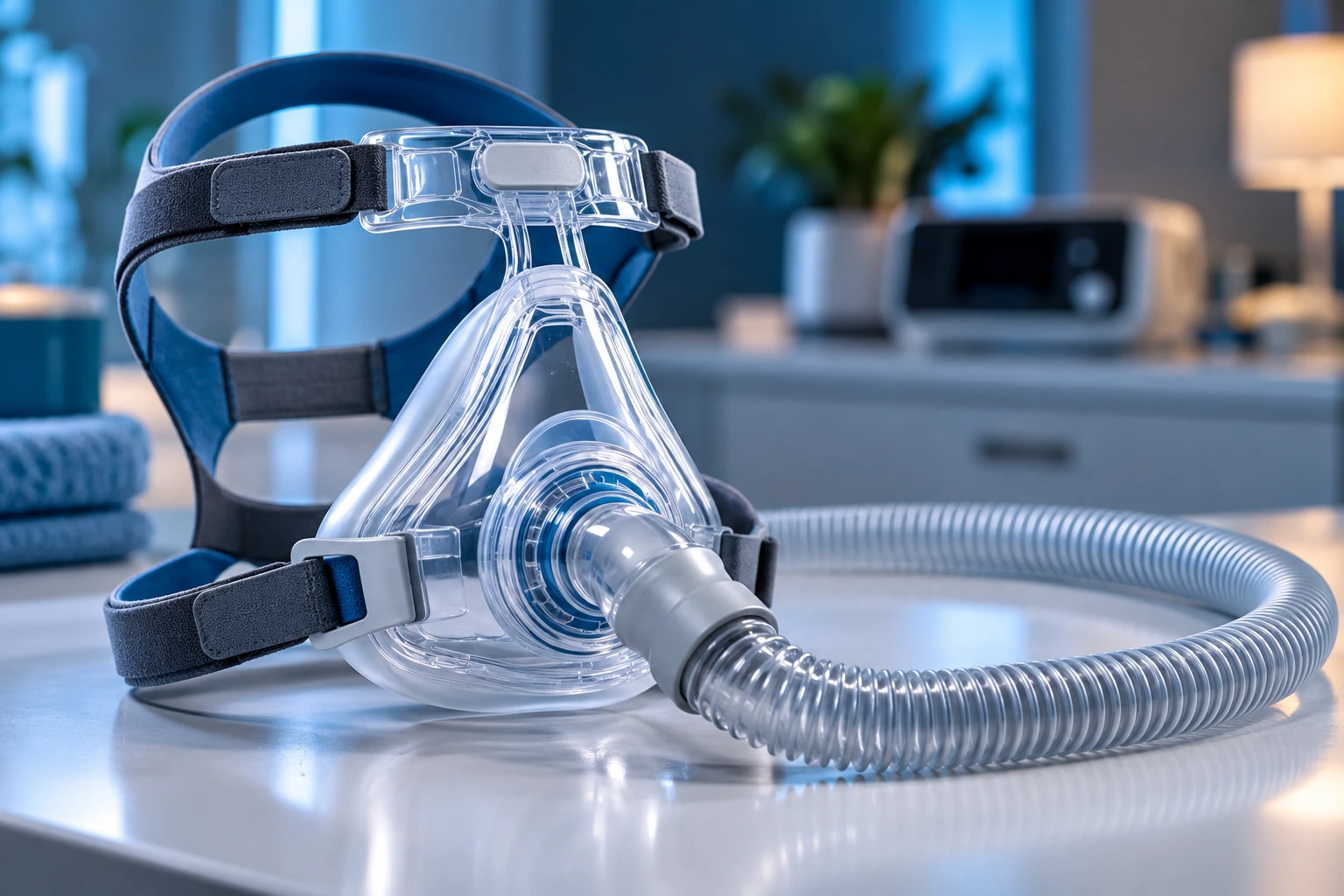
- Usually delivered through a fitted mask.
- Does not require an artificial airway.
- Used for selected patients.
- Still requires appropriate prescription and supervision.
Types of Ventilators You May Find on Rental
Rental inventories differ between providers. The suitable machine should be selected according to the patient’s clinical requirement.
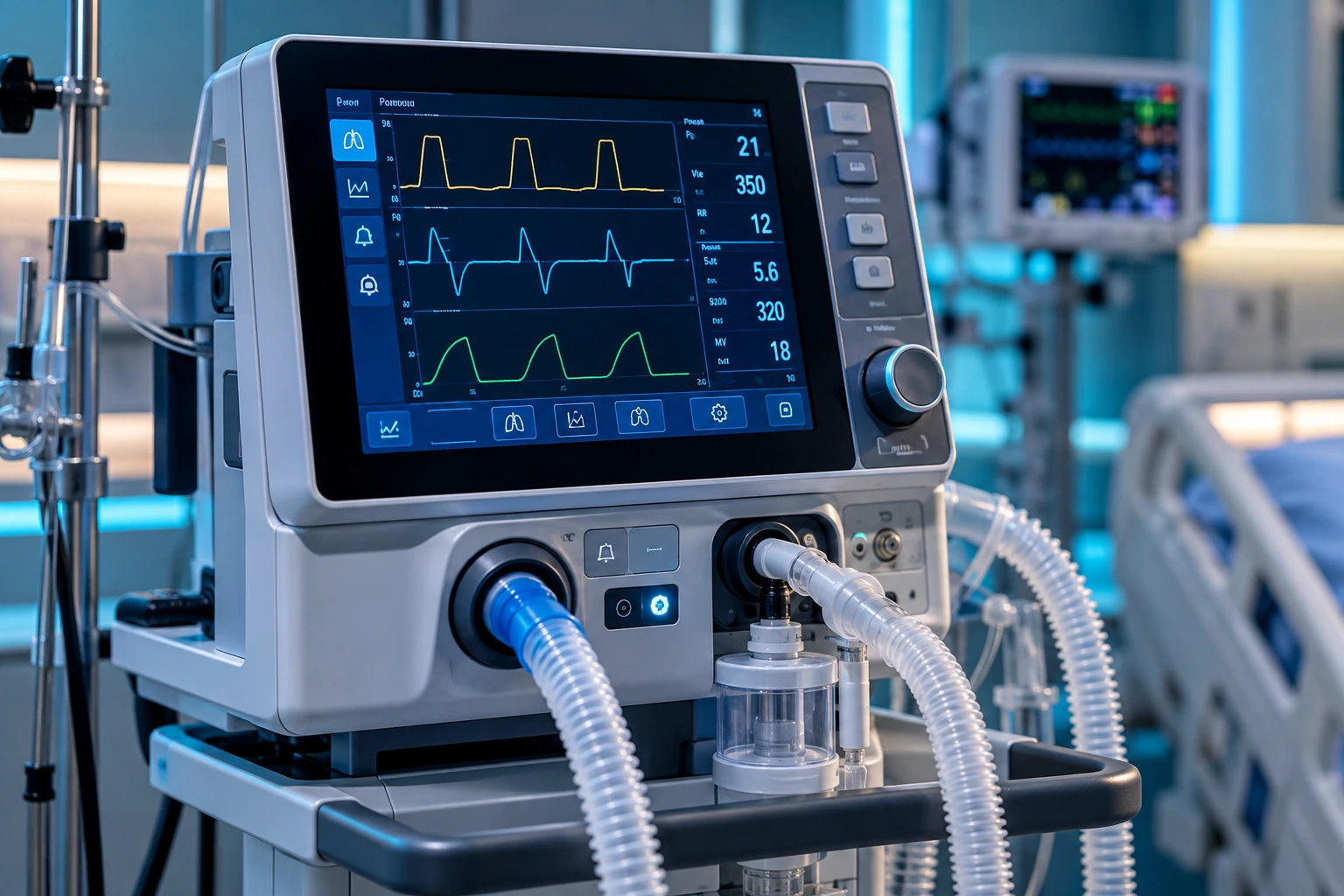
ICU-Grade Ventilators
Advanced systems designed for patients requiring intensive respiratory support and detailed monitoring.
Non-Invasive Ventilators
Respiratory support delivered through an appropriate mask or interface for selected patients.
Portable Home Ventilators
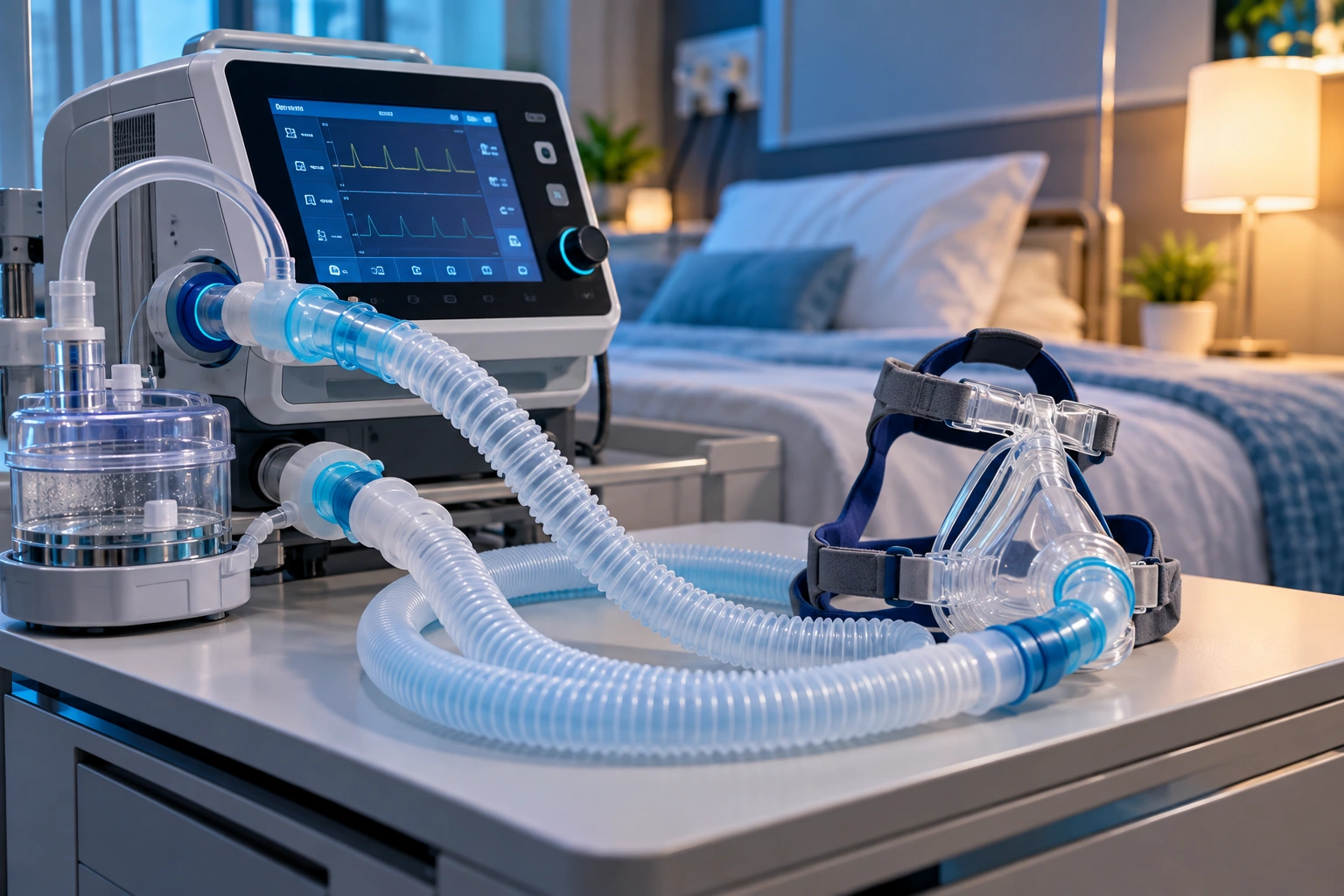
Equipment designed with homecare and portability requirements in mind. Some models may provide battery operation.
How Ventilator Rental Should Work
A good rental process is about more than delivering a machine. Equipment selection, setup, caregiver education and technical support all matter.
Medical Assessment
The treating doctor determines whether mechanical ventilation is appropriate and identifies the required support.
Select the Rental Provider
Compare equipment, servicing, availability, support, accessories and rental terms—not just monthly price.
Delivery & Setup
The equipment should be delivered and arranged according to the prescribed care plan.
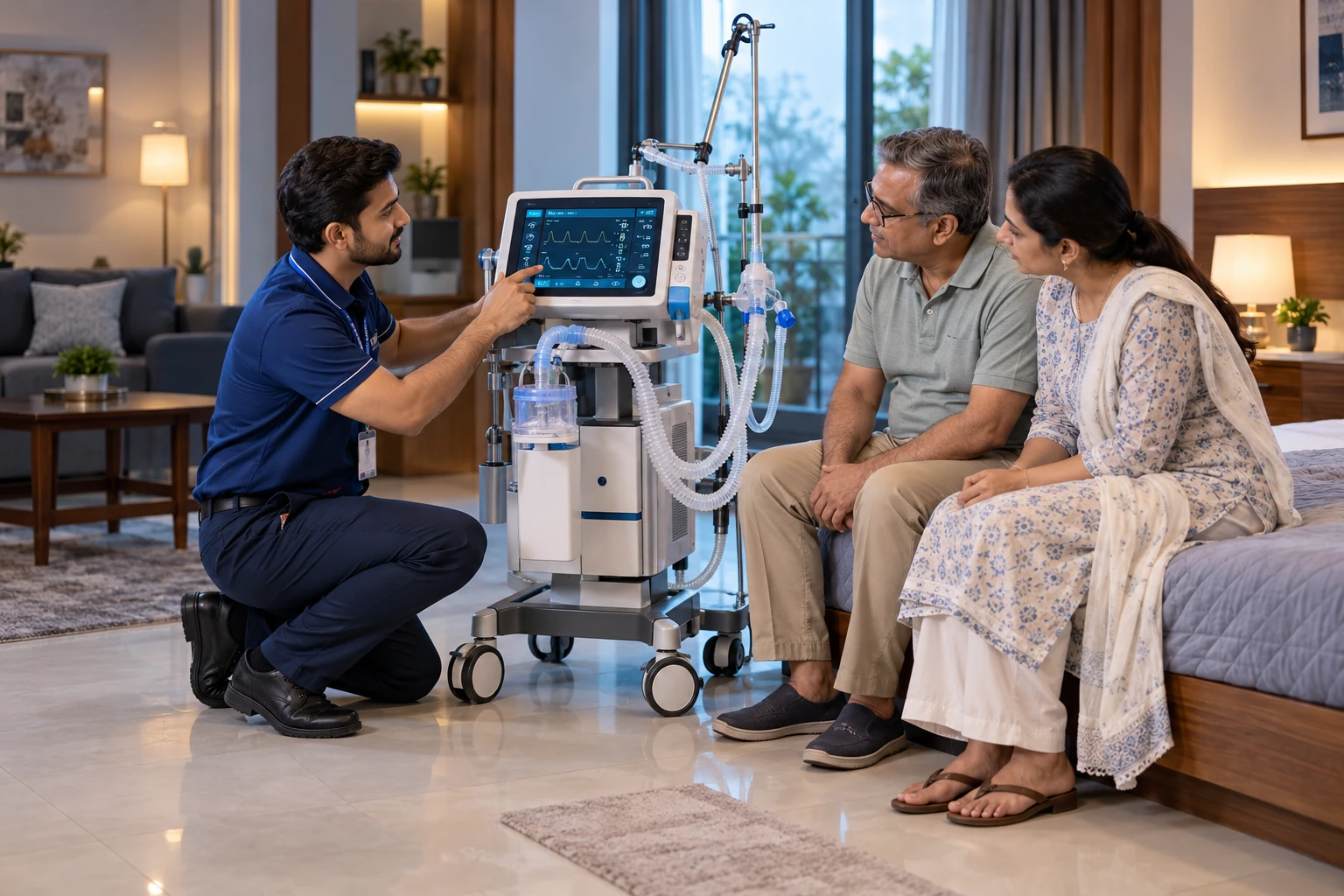
Caregiver Training
Anyone assisting the patient should understand basic operation, alarms and emergency procedures.
Maintenance & Support
Ask what happens if the machine develops a fault and how replacement equipment is arranged.
Return or Extend
At the end of the rental period, the agreement may be returned or extended depending on the patient’s ongoing needs.
Delivery Is Only the Beginning
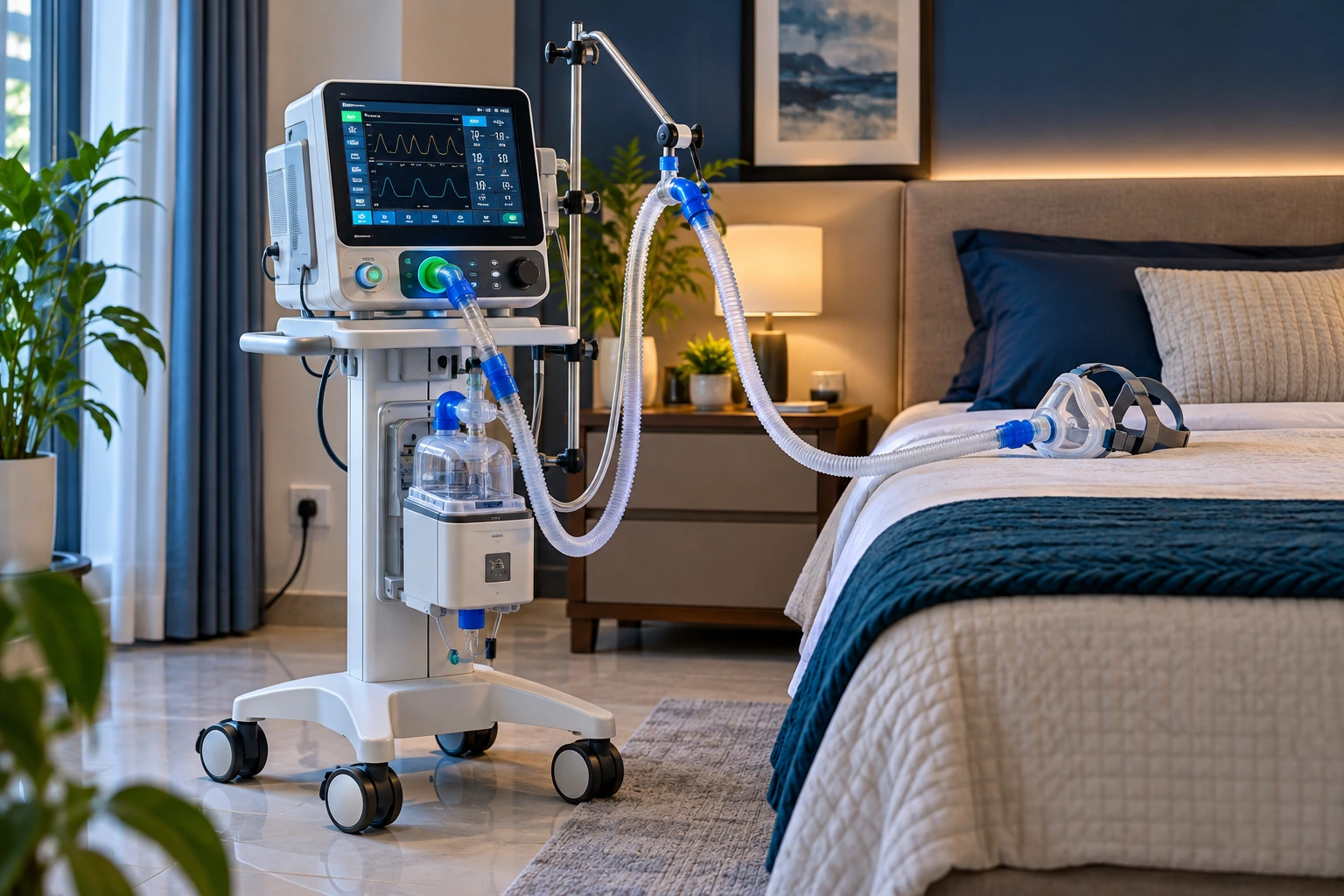
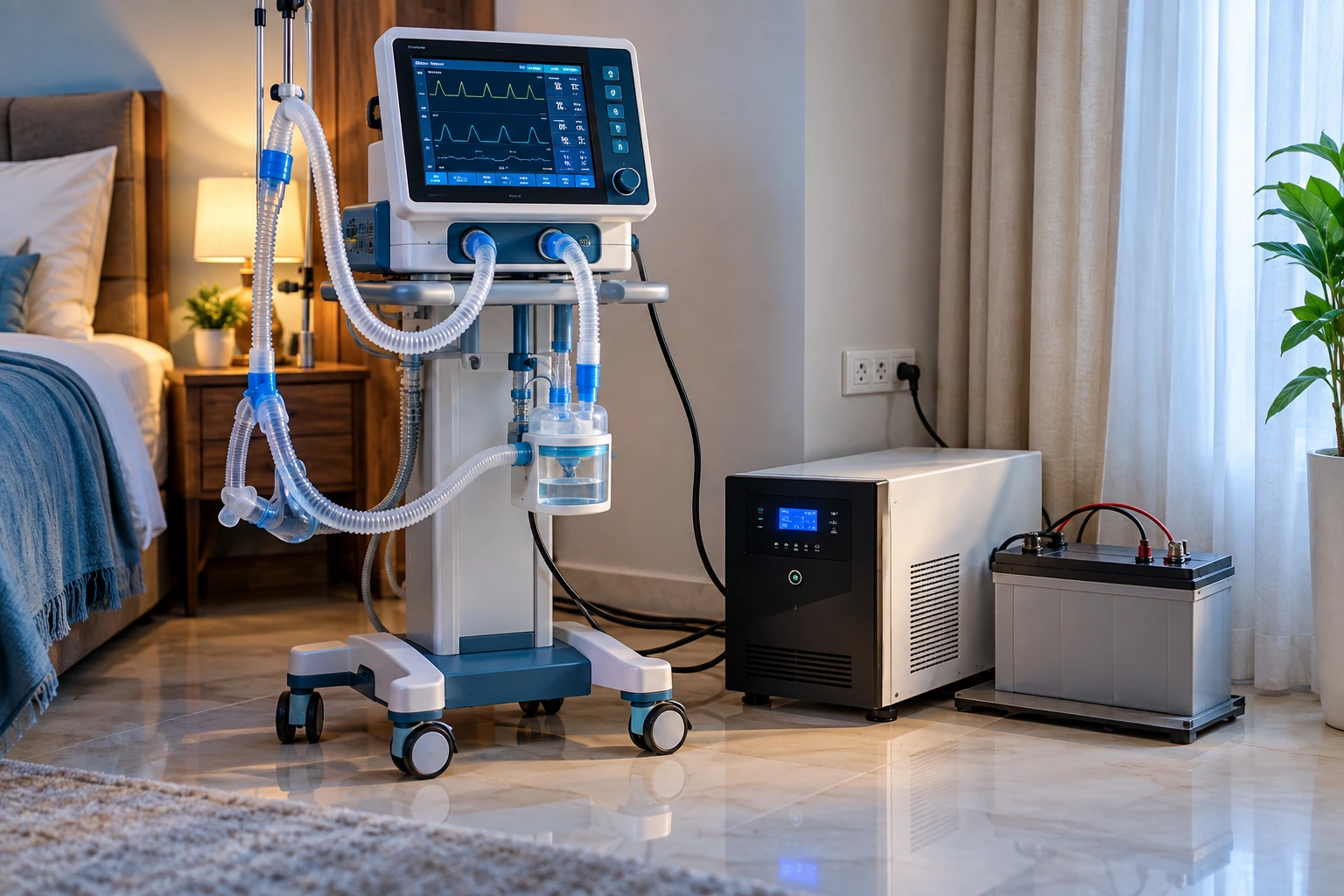
For home ventilation, the setup should be organised so that caregivers can access the machine, tubing and power connection easily.
Before accepting the rental, confirm who provides installation, caregiver training, servicing and technical assistance.
Renting vs Buying a Ventilator
The right financial choice depends heavily on how long the equipment is expected to be required.
Renting
- Lower upfront expense.
- Useful when duration is uncertain.
- Equipment may be returned after use.
- Support and maintenance may be included depending on the rental package.
Buying
- Higher initial investment.
- May be considered for long-term requirements.
- Ownership remains with the buyer.
- Long-term maintenance and servicing need to be planned.
Home Ventilator Care Checklist
A well-organised home setup can make routine checks and troubleshooting easier for caregivers.
12 Questions Worth Asking Your Rental Provider
Looking for a Ventilator on Rent in Delhi NCR?
Explore Respikart’s ventilator rental options or speak with the team about availability, rental duration and equipment requirements.
Frequently Asked Questions
How much does it cost to rent a ventilator?
What is the difference between invasive and non-invasive ventilation?
Can a ventilator be used at home?
How quickly can a rental ventilator be delivered?
What happens if the ventilator stops working?
Should I choose a ventilator based only on price?
