
Sleep Apnea
Top Signs and Symptoms of Sleep Apnea Not to Ignore
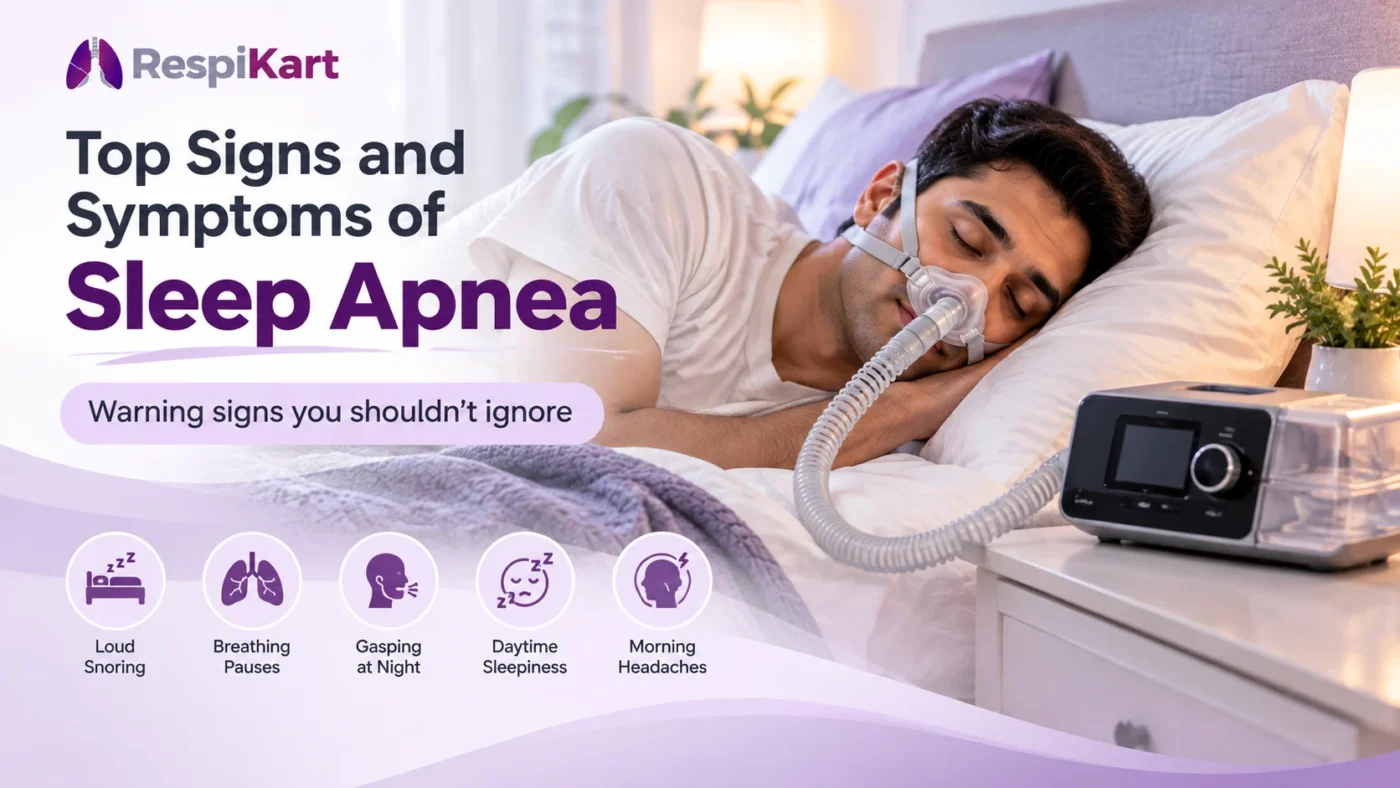
Top Signs and Symptoms of Sleep Apnea You Shouldn’t Ignore
Snoring loudly? Waking up tired? Struggling to stay awake during the day? Learn to recognise the possible warning signs of sleep apnea, understand your next steps and explore treatment options with the right medical guidance.
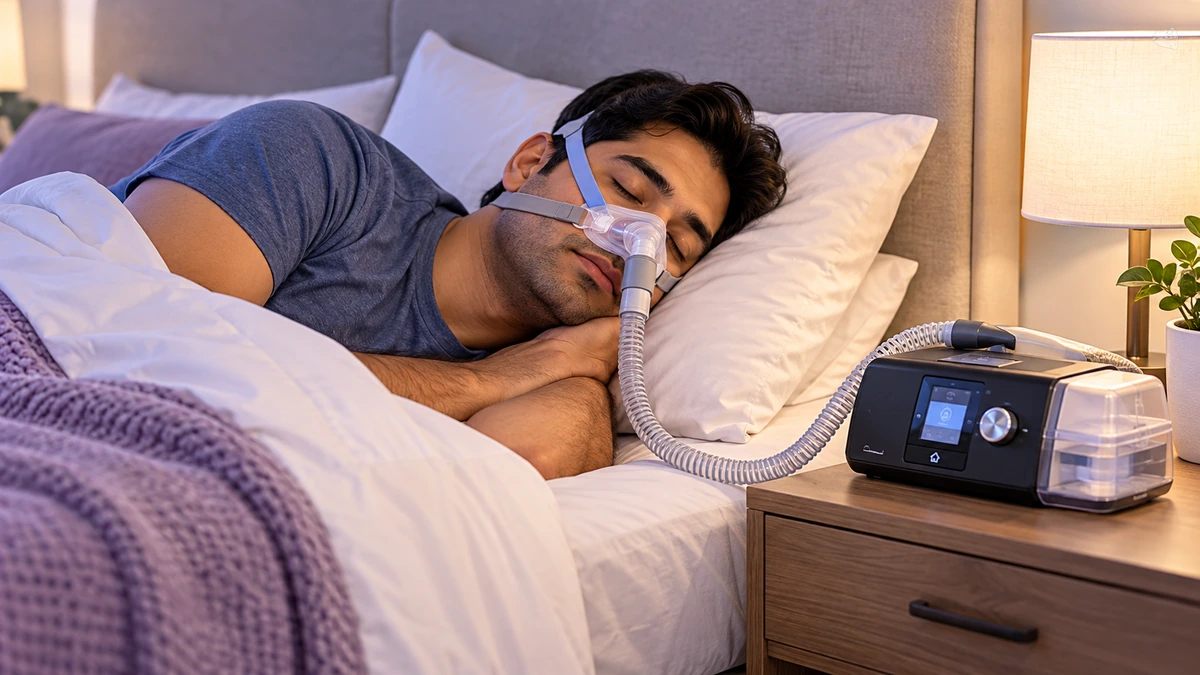
Sleep apnea is a sleep-related breathing disorder in which breathing repeatedly stops or becomes reduced during sleep. Many people do not realise it is happening because the episodes occur while they are asleep.
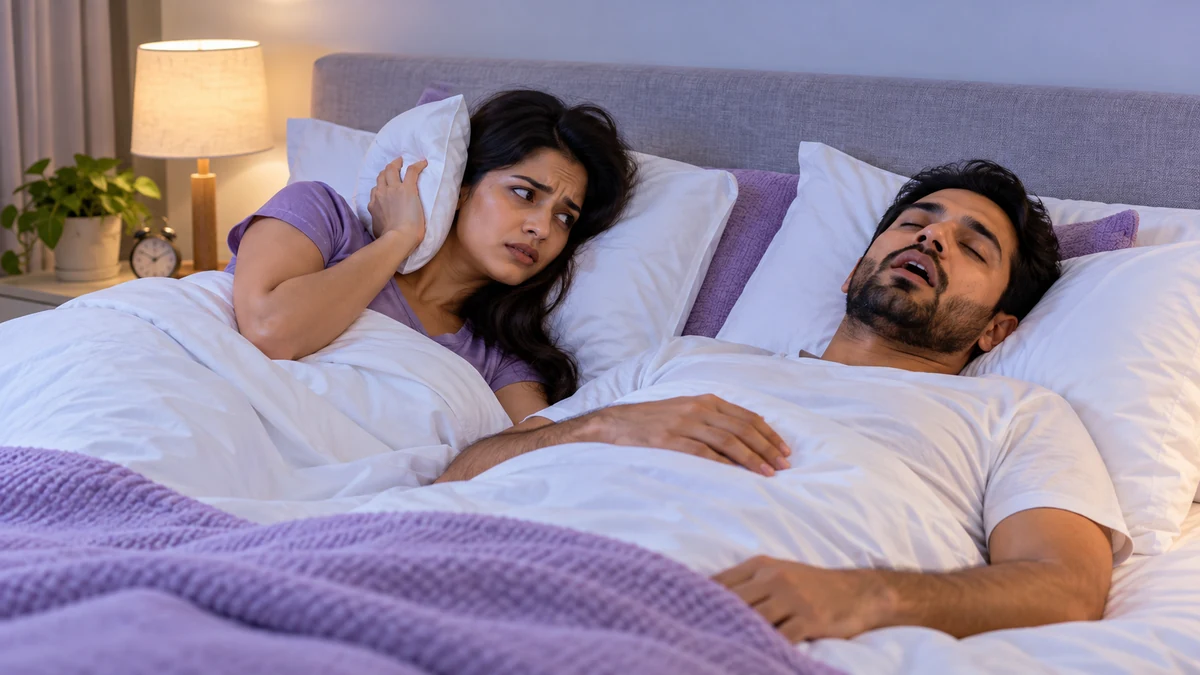
A partner may notice loud snoring or gasping, while the person experiencing it may mainly feel exhausted the following morning. Recognising these patterns can help you decide when to seek professional advice.
6 Warning Signs You Should Know
- Persistent, loud snoring
- Pauses in breathing noticed during sleep
- Gasping or choking at night
- Daytime sleepiness despite enough time in bed
- Morning headaches or a dry mouth
- Difficulty concentrating or changes in mood
These symptoms can have other causes. A healthcare professional can assess whether a sleep study is needed.
What Is Sleep Apnea?
Two main types, with different causes.
Sleep apnea disrupts normal breathing during sleep. The repeated interruptions can fragment sleep and sometimes lower oxygen levels. The two main types are obstructive and central sleep apnea.
Obstructive Sleep Apnea
The upper airway narrows or closes as throat muscles relax, restricting airflow while the body continues trying to breathe.
Central Sleep Apnea
The brain temporarily fails to send the usual signals that regulate breathing. Assessment helps determine the appropriate management.
7 Signs and Symptoms of Sleep Apnea
Notice the pattern, not just a single symptom.
1. Loud Snoring
Regular, loud snoring, especially when interrupted by snorts or gasps, deserves attention. Snoring alone does not confirm sleep apnea.
2. Breathing Pauses
A partner may notice silence followed by a sudden breath or gasp. These observed pauses are an important reason to seek an assessment.
3. Night-Time Gasping
Waking up choking or short of breath can have several causes. Repeated episodes should be discussed with a healthcare provider.
4. Daytime Fatigue
Feeling unrefreshed, struggling to concentrate or dozing during quiet activities may signal poor-quality sleep.
5. Morning Headaches
Headaches after waking may occur with sleep apnea, although many other conditions can cause them.
6. Dry Mouth
A dry mouth or sore throat may be linked to mouth breathing, nasal congestion or other issues during sleep.
7. Restless Sleep
Repeated awakenings and unrefreshing sleep can be signs of a sleep problem that deserves further evaluation.
An Important Safety Reminder
If you feel sleepy while driving, stop in a safe place and do not continue until you are alert. Coffee cannot reliably overcome dangerous drowsiness.
Who Is More Likely to Develop Sleep Apnea?
Factors associated with a higher likelihood of obstructive sleep apnea include:
- Excess body weight
- A narrower upper airway or larger neck circumference
- Increasing age or a family history
- Chronic nasal congestion or certain anatomical features
- Smoking or alcohol use near bedtime
- Menopause-related changes
These are risk factors, not a diagnosis. People who are slim or do not have these factors can also develop sleep apnea.
Why Should You Not Ignore Sleep Apnea?
Untreated obstructive sleep apnea is associated with high blood pressure, cardiovascular concerns and metabolic conditions such as type 2 diabetes. Poor-quality sleep can also affect concentration, mood and daytime alertness.
Heart Health
Repeated breathing disturbances are associated with cardiovascular risks.
Focus & Memory
Fragmented sleep may make everyday tasks and concentration more difficult.
Road Safety
Excessive sleepiness can make driving dangerous.
Everyday Wellbeing
Appropriate assessment and treatment can help address symptoms.
Diagnosis and Treatment Options
How Is Sleep Apnea Diagnosed?
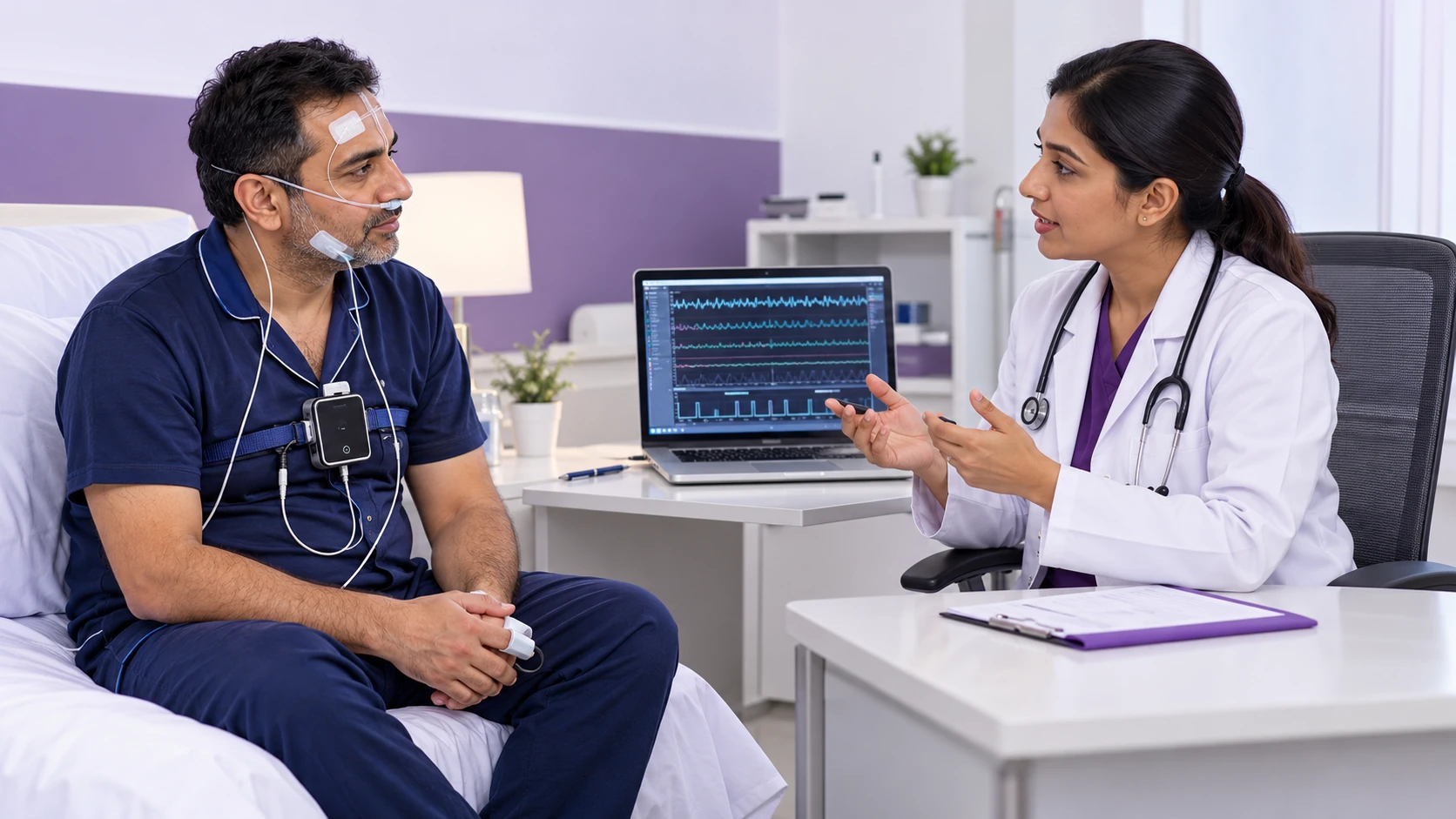
A healthcare professional reviews symptoms, medical history and relevant risk factors. A sleep study may then be recommended. Depending on the person, this could be a home sleep apnea test or an overnight laboratory study called polysomnography.
Home Sleep Test
Selected adults may be able to complete a clinician-recommended sleep apnea test at home using portable monitoring equipment.
Sleep Laboratory Study
An overnight study records multiple body signals and may be needed when a home test is unsuitable or inconclusive.
Explore the Sleep Study section at Respikart for further information, and confirm the service details and suitability with the provider and your healthcare professional.
CPAP vs BiPAP: What Is the Difference?
Treatment depends on the diagnosis and individual breathing needs. CPAP and BiPAP are not interchangeable choices for everyone.
Usually provides continuous positive airway pressure.
Provides different pressure levels for inhalation and exhalation.
A standard treatment for many patients with obstructive sleep apnea.
Selected cases where bilevel support is clinically appropriate.
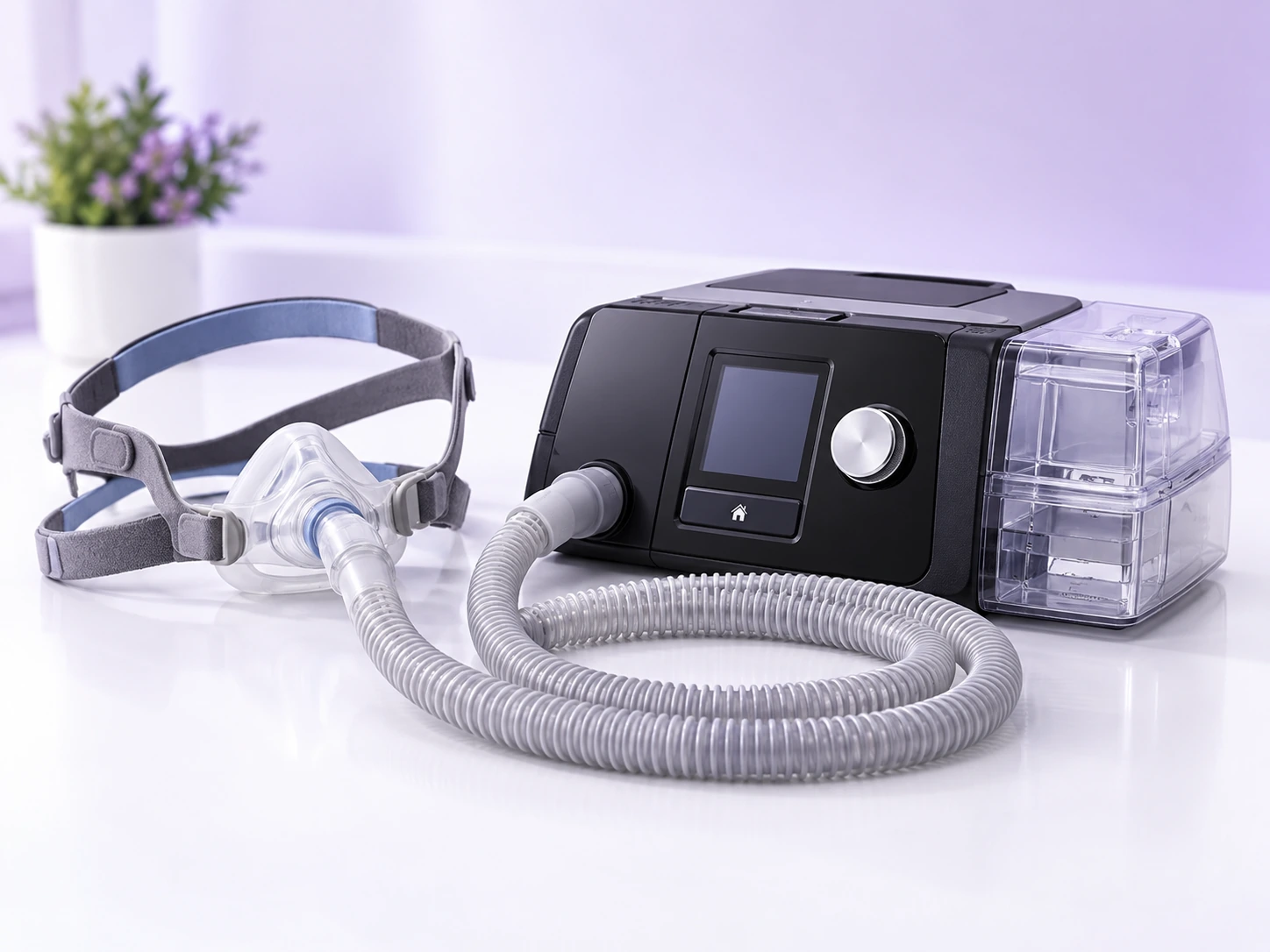
Explore CPAP Machines
Learn about available devices and discuss the appropriate model and settings with your clinician.
Explore BiPAP Machines
Explore bilevel therapy equipment if it has been recommended for your clinical needs.
Other Treatment Approaches
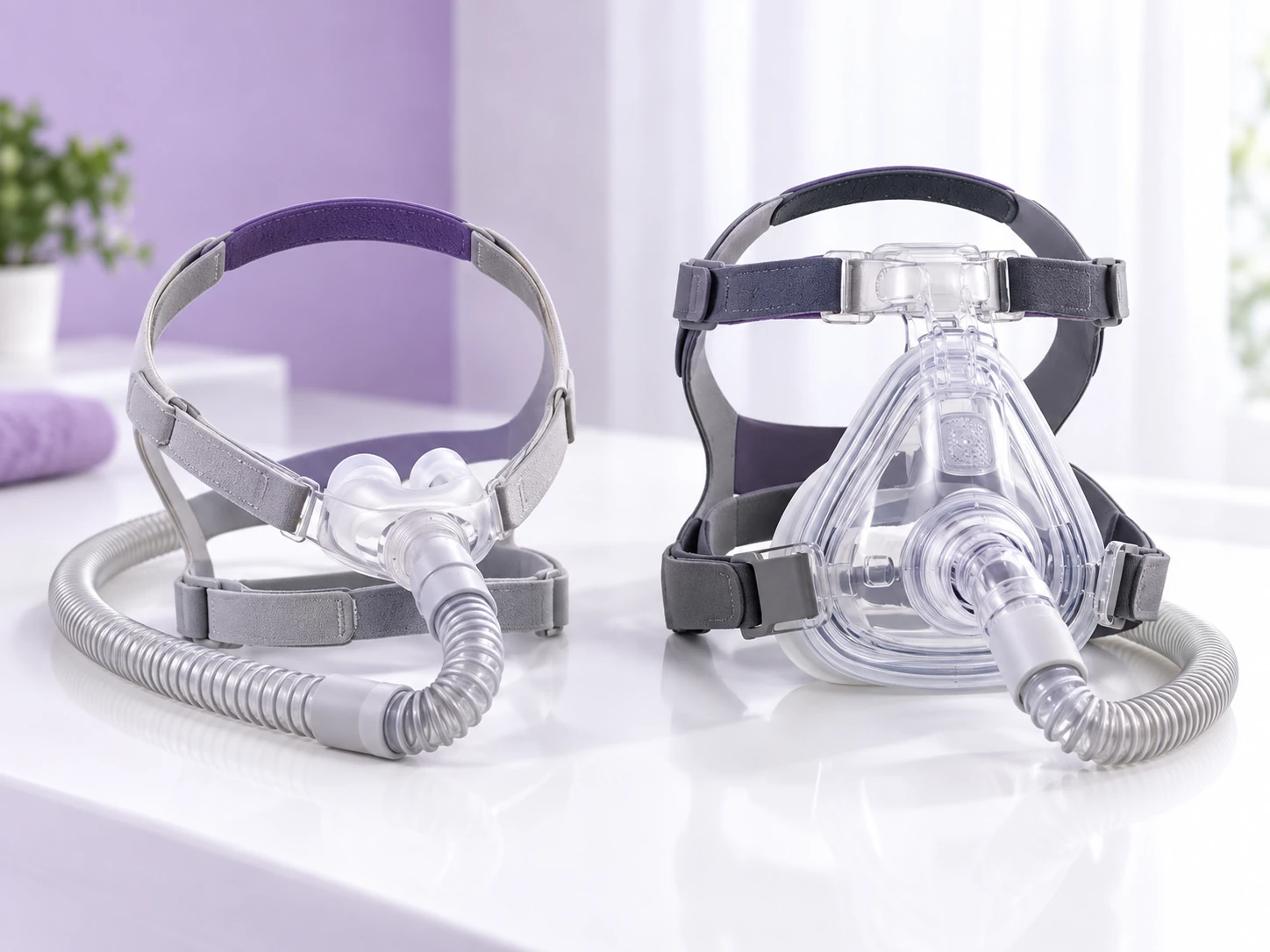
Depending on the diagnosis, a clinician may discuss weight management, side-sleeping strategies, reducing alcohol near bedtime, treatment for nasal obstruction, oral appliances or selected surgical procedures.
Do not self-prescribe a device or change pressure settings without professional guidance.
When Should You See a Doctor?
Arrange a consultation if you snore loudly on most nights, someone has witnessed breathing pauses, you repeatedly wake gasping or you remain sleepy during the day despite allowing sufficient time for sleep.
Do Not Ignore Persistent Symptoms
Seek prompt medical advice for ongoing symptoms. Severe or sudden breathing difficulty or chest pain requires urgent medical assessment. Do not drive when dangerously sleepy.
Frequently Asked Questions
1. What are the first signs of sleep apnea?
Common clues include loud habitual snoring, waking unrefreshed, daytime tiredness and morning headaches. A partner may notice gasping or breathing pauses. A sleep study may be needed to establish the diagnosis.
2. Can you have sleep apnea without snoring?
Yes. Some people have little noticeable snoring and instead experience fatigue, insomnia or repeated awakenings. The absence of snoring does not rule out sleep apnea.
3. How can I tell if I stop breathing in my sleep?
A partner may notice pauses or gasping, while you may not remember the events. Apps and consumer wearables cannot reliably rule out the condition. Seek medical advice if symptoms suggest sleep apnea.
4. Is untreated sleep apnea dangerous?
It is associated with high blood pressure, cardiovascular concerns, metabolic problems and daytime sleepiness. Individual risks vary, and professional assessment can help guide care.
5. What is the difference between obstructive and central sleep apnea?
Obstructive sleep apnea involves a narrowed or blocked upper airway. Central sleep apnea involves disrupted brain signals that regulate breathing. Their assessment and management differ.
6. Which doctor should I consult?
Start with a general physician. Depending on your symptoms, you may be referred to a pulmonologist, sleep medicine specialist or ENT doctor.
7. Can sleep apnea be treated without CPAP?
Selected patients may benefit from lifestyle measures, oral appliances, positional strategies or other treatments. The suitable approach depends on the type and severity of sleep apnea and should be discussed with a clinician.
8. Can I buy a CPAP or BiPAP machine without a sleep study?
Seek clinical assessment before choosing therapy equipment. The diagnosis, device type and settings should be appropriate for your condition. A qualified professional can advise whether sleep testing is necessary.
Final Thoughts
Sleep apnea can remain unnoticed because its symptoms appear during sleep or resemble everyday tiredness. Pay attention to persistent warning signs, discuss your concerns with a healthcare professional and follow their advice about testing and treatment.
For respiratory care equipment and product information, visit Respikart.com.
