
Uncategorized
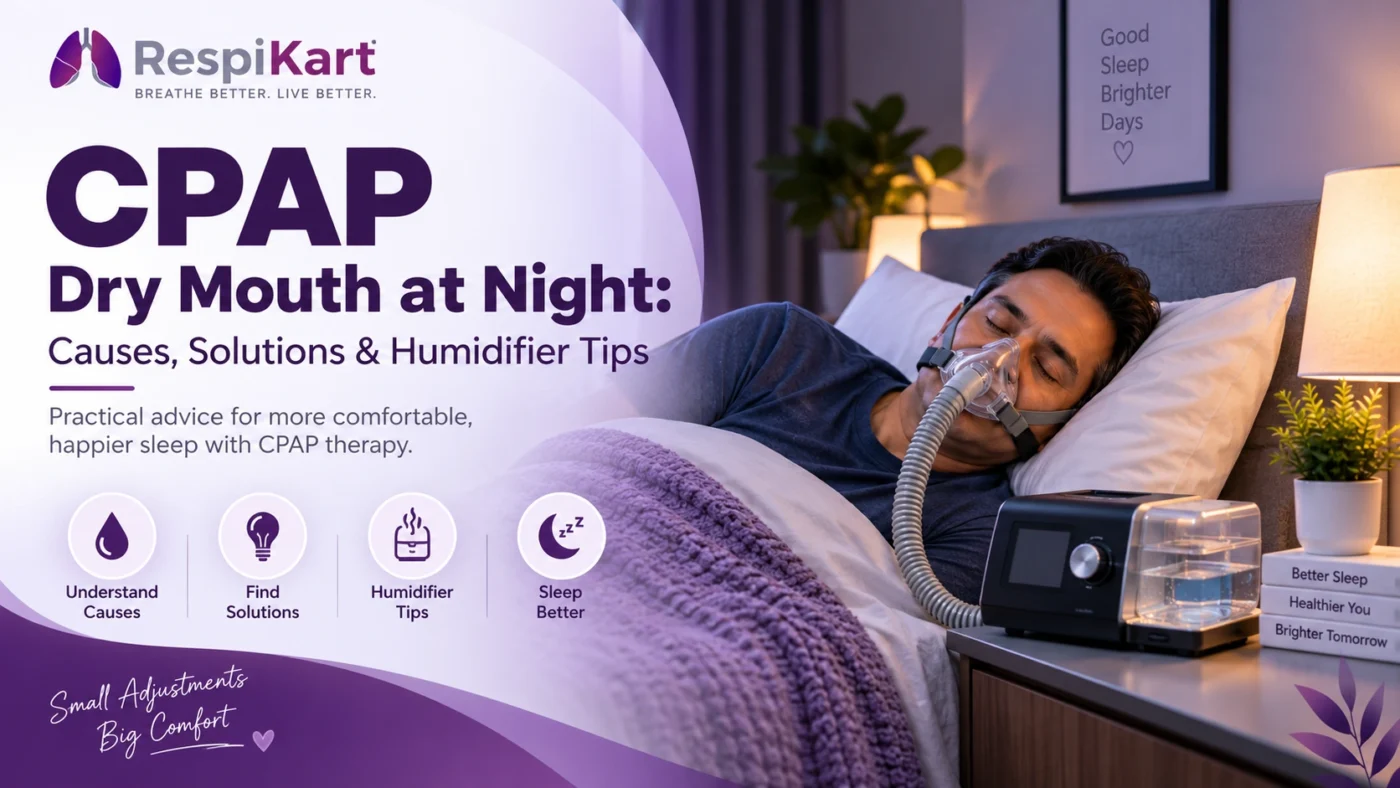
CPAP Dry Mouth at Night: Causes, Solutions & Humidifier Tips
CPAP Dry Mouth at Night: Causes, Solutions & Humidifier Tips
Waking up with a dry mouth after using CPAP? Understand the common causes, the connection between mouth breathing and mask leaks, how humidification works, and what you can check to make your CPAP therapy more comfortable.
Waking Up With a Dry Mouth After CPAP?
CPAP therapy is an important part of treatment for many people with obstructive sleep apnea. But while getting used to CPAP, some users notice an uncomfortable side effect: a very dry mouth or throat in the morning.
You may wake up feeling thirsty, notice a sticky feeling in your mouth, experience a dry tongue, or feel as though you need water immediately after removing your mask.
The important thing is that CPAP dry mouth does not automatically mean that your machine is faulty or that your prescribed pressure is incorrect.
The cause can be related to your mask, breathing pattern, humidification, nasal congestion, bedroom environment, hydration or even certain medications.
Before changing your CPAP pressure, check these five areas:
A simple troubleshooting approach can help identify what may be contributing to your dryness.
So, Why Does CPAP Cause Dry Mouth?
The most common possibilities include mouth breathing while sleeping, air escaping through the mouth, mask leakage, insufficient humidification or nasal congestion. Dry mouth can also have causes unrelated to CPAP, including dehydration and medication side effects.
What You’ll Learn in This Guide
What Is CPAP Dry Mouth?
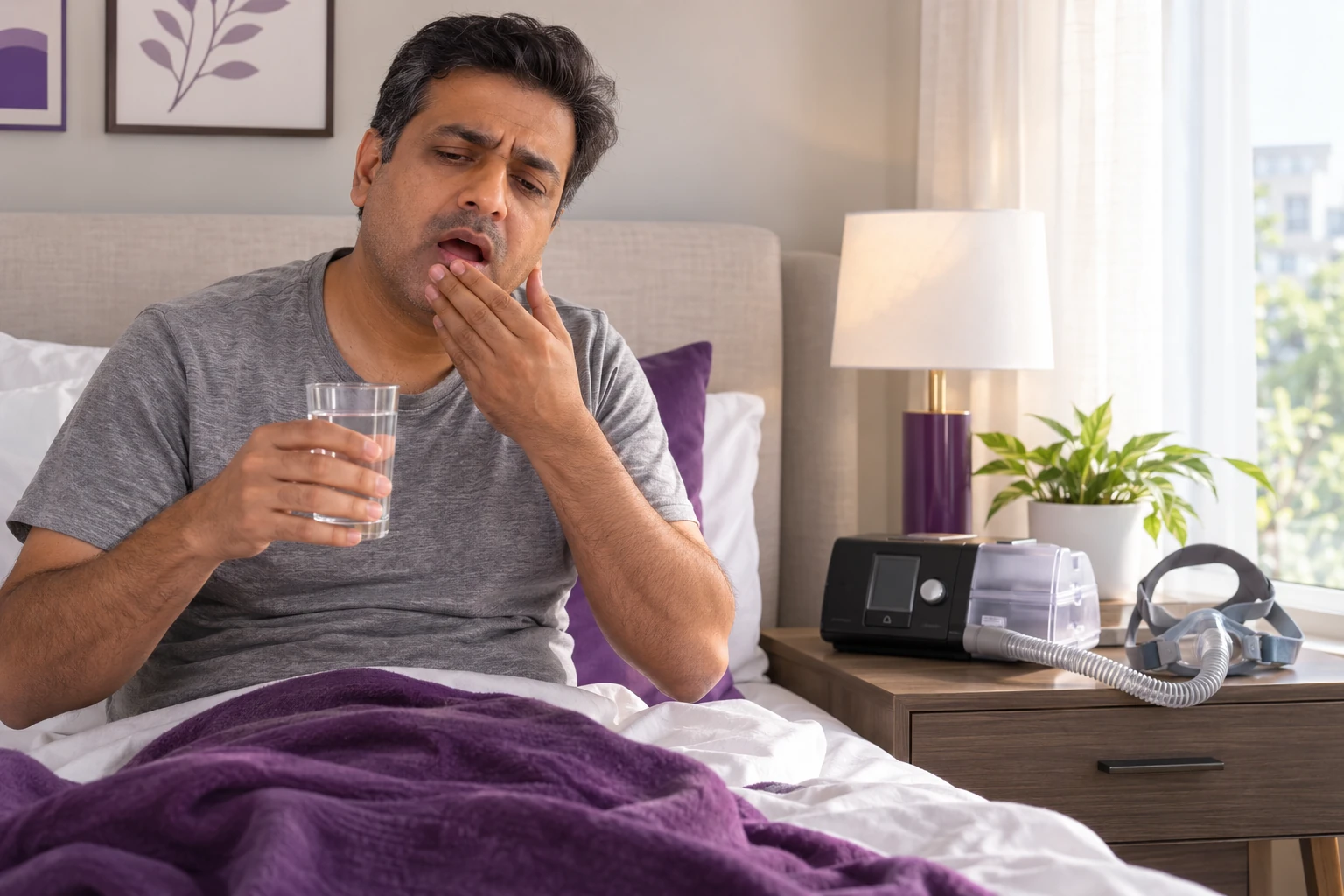
CPAP dry mouth means experiencing excessive dryness or discomfort in the mouth or throat during or after using CPAP therapy. For some people, the sensation is mild. For others, it can be strong enough to disturb sleep or make them reluctant to use their machine.
Common signs include a dry or sticky mouth, dry tongue, sore throat, chapped lips, bad breath, increased thirst and waking repeatedly to drink water.
It is useful to look at when the dryness happens. If you wake up with a very dry mouth but feel relatively normal during the daytime, your overnight breathing or CPAP setup may be contributing.
6 Common Reasons You May Wake Up With a Dry Mouth
Mouth Breathing
Your mouth may open during sleep, allowing pressurized air to escape and dry the mouth.
Low Humidity
Dry airflow may feel uncomfortable when adequate humidification is not being used.
Mask Leak
A poor mask seal can allow air to escape and reduce therapy comfort.
Nasal Congestion
A blocked nose can encourage mouth breathing during sleep.
Bedroom Air
Air conditioning or a naturally dry bedroom can affect comfort.
Other Causes
Dehydration and certain medications can also contribute to dry mouth.
Mouth Breathing and CPAP: One of the Most Important Clues
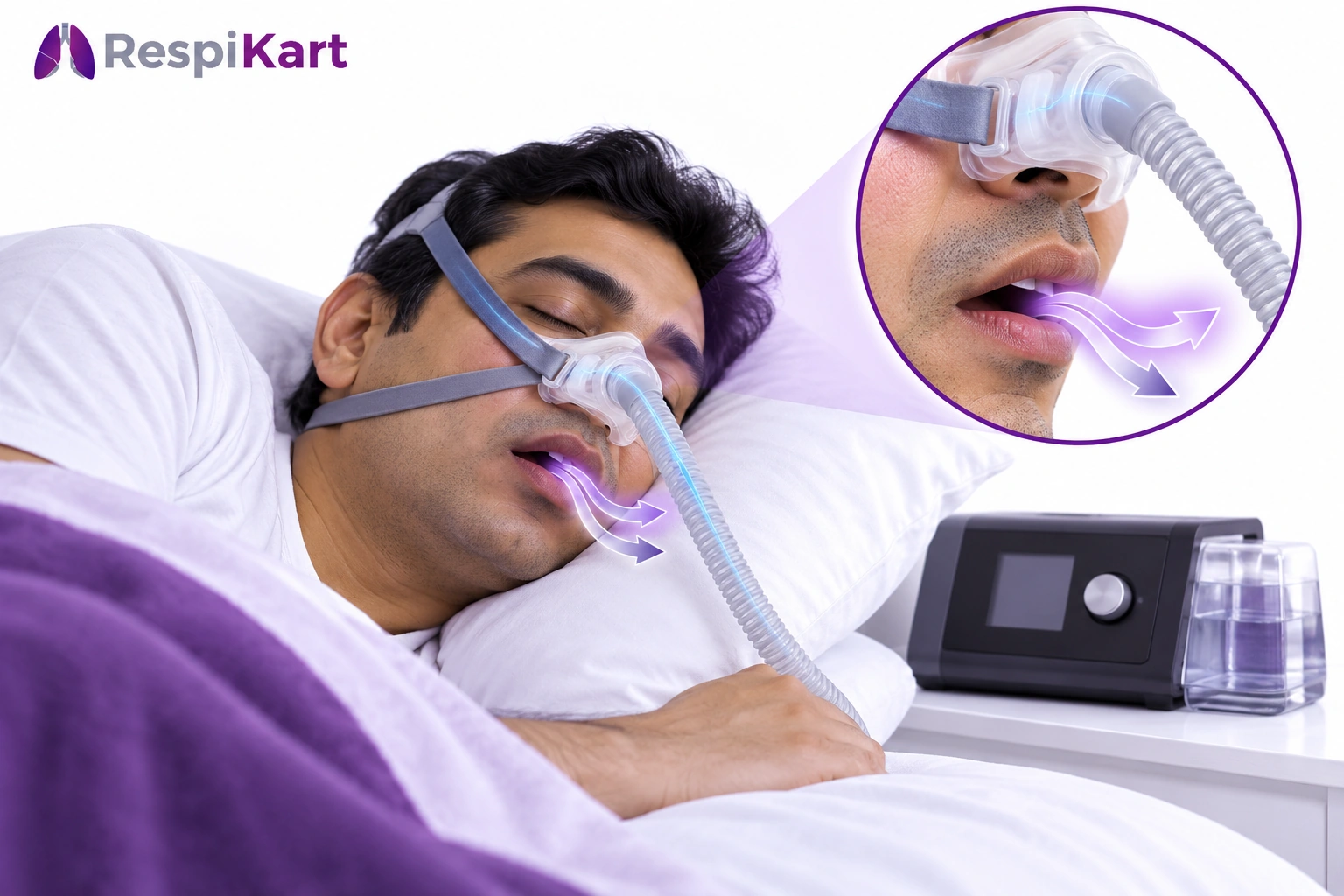
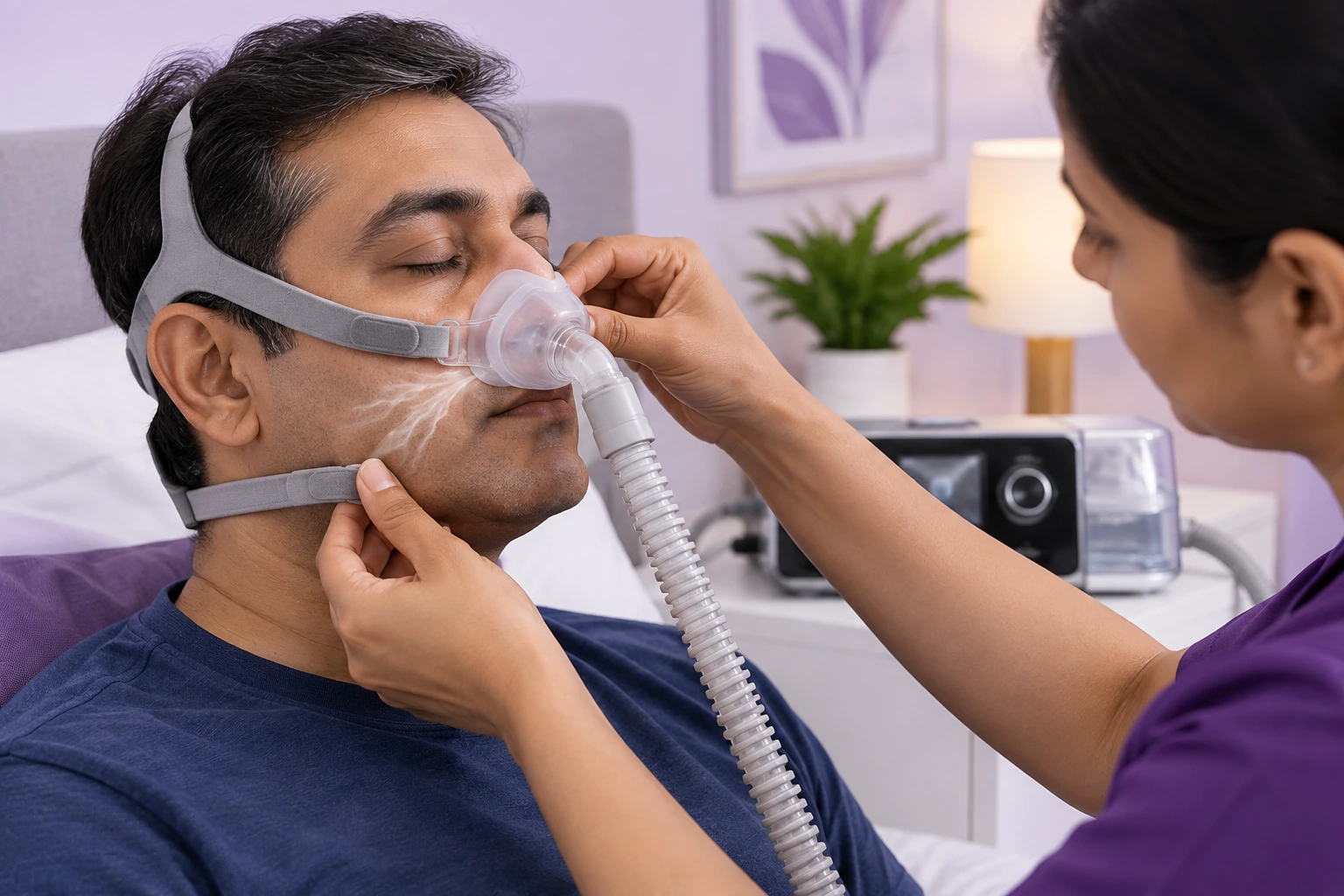
If you are using a nasal mask or nasal pillow mask, your CPAP therapy is designed around airflow being delivered through your nose.
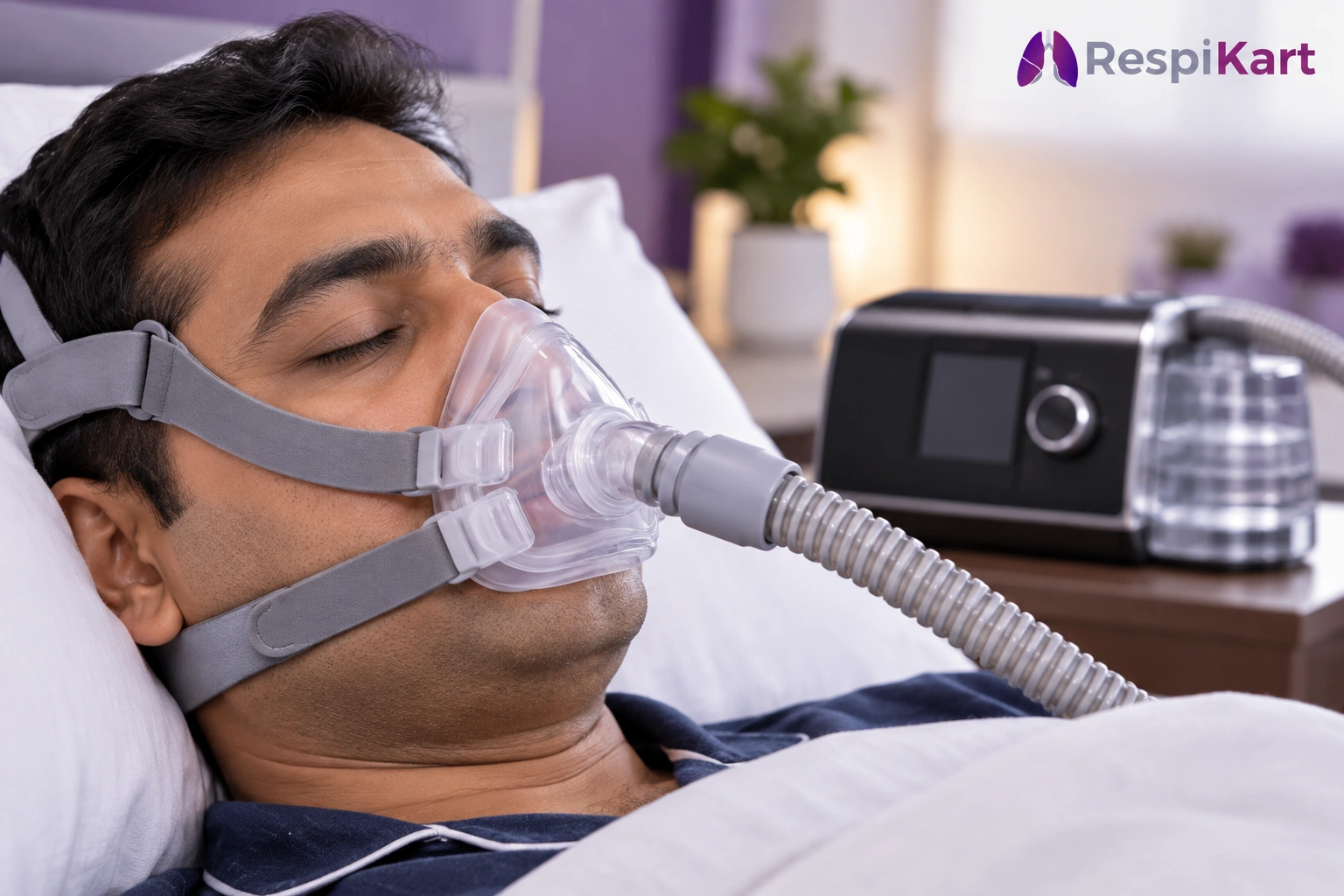
But during sleep, your mouth can open without you realizing it. When that happens, some of the pressurized airflow may escape through the mouth.
This can leave your mouth and throat feeling extremely dry in the morning.
If your nose feels comfortable but your mouth is extremely dry every morning, ask your CPAP provider whether mouth breathing or mouth leak could be contributing.
If the mouth opens during sleep:
Can a CPAP Mask Leak Cause Dry Mouth?
Yes. Mask leakage is another factor worth checking when CPAP therapy feels uncomfortable.
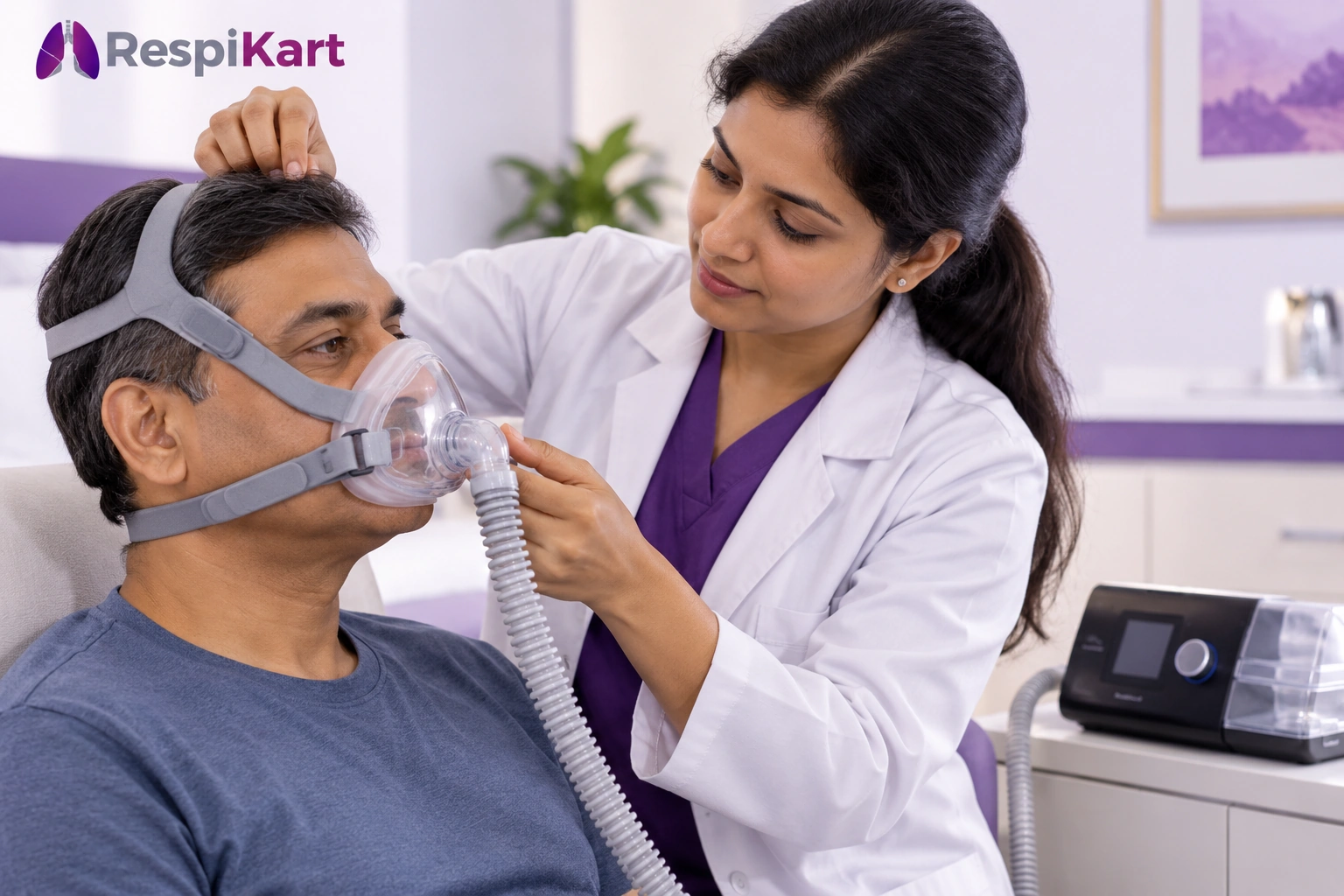
A CPAP mask should sit securely and comfortably on your face. If air escapes around the cushion, you may hear airflow, feel air blowing toward your eyes or find yourself repeatedly adjusting the mask.
However, tightening the mask as much as possible isn’t necessarily the solution. An excessively tight mask can create pressure marks, discomfort and skin irritation without addressing the underlying fitting problem.
Signs Your Mask May Need to Be Re-Fitted
- Air blowing toward your eyes
- Audible air escaping around the mask
- Frequent mask adjustments during sleep
- Skin irritation or pressure marks
- Persistent morning dryness
- Difficulty maintaining a comfortable seal
How Does a CPAP Humidifier Help With Dry Mouth?
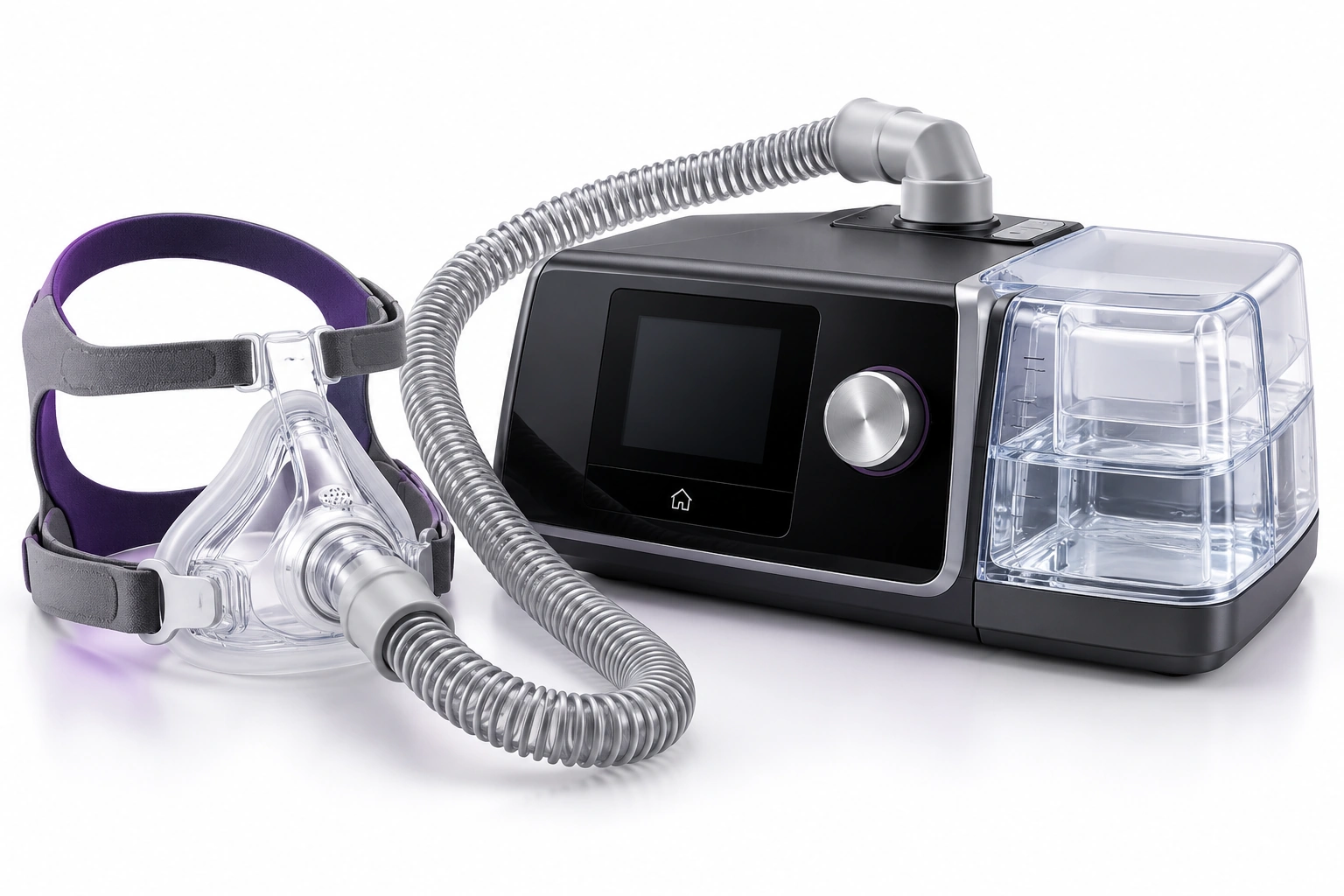
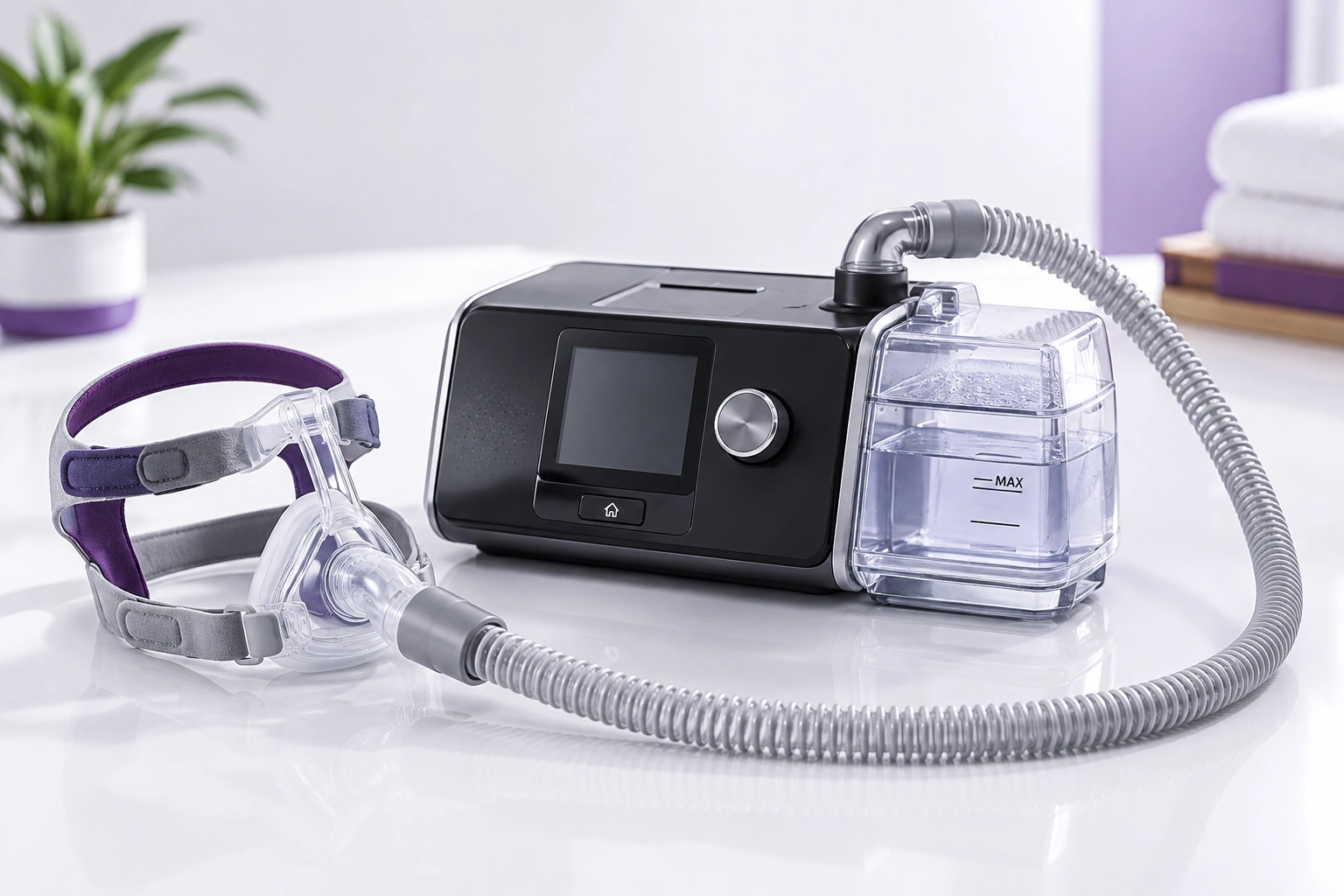
A heated CPAP humidifier adds moisture to the air delivered through your therapy system. For users who find CPAP airflow drying or uncomfortable, humidification can make the experience more pleasant.
A typical setup may look like this:
The amount of humidity required is different for every person. Bedroom temperature, room humidity, mask type, tubing temperature and individual comfort can all influence the preferred setup.
CPAP Humidifier Settings: Finding a Comfortable Balance
One of the most common mistakes is assuming that the highest humidity setting must be the best setting for dry mouth.
More humidity isn’t always better. If the humidity level is too high for your environment, condensation may form inside the tubing.
If Your Mouth or Nose Feels Dry
If your CPAP system allows humidity adjustment, changes can generally be made gradually while monitoring comfort.
If You See Water Inside the Tube
Water droplets may indicate condensation or CPAP rainout. In that situation, simply increasing humidity may make the problem worse.
Do not change your prescribed CPAP pressure simply because you have dry mouth. Humidity settings, mask fit and therapeutic pressure are separate parts of your CPAP setup.
What Is CPAP Rainout?
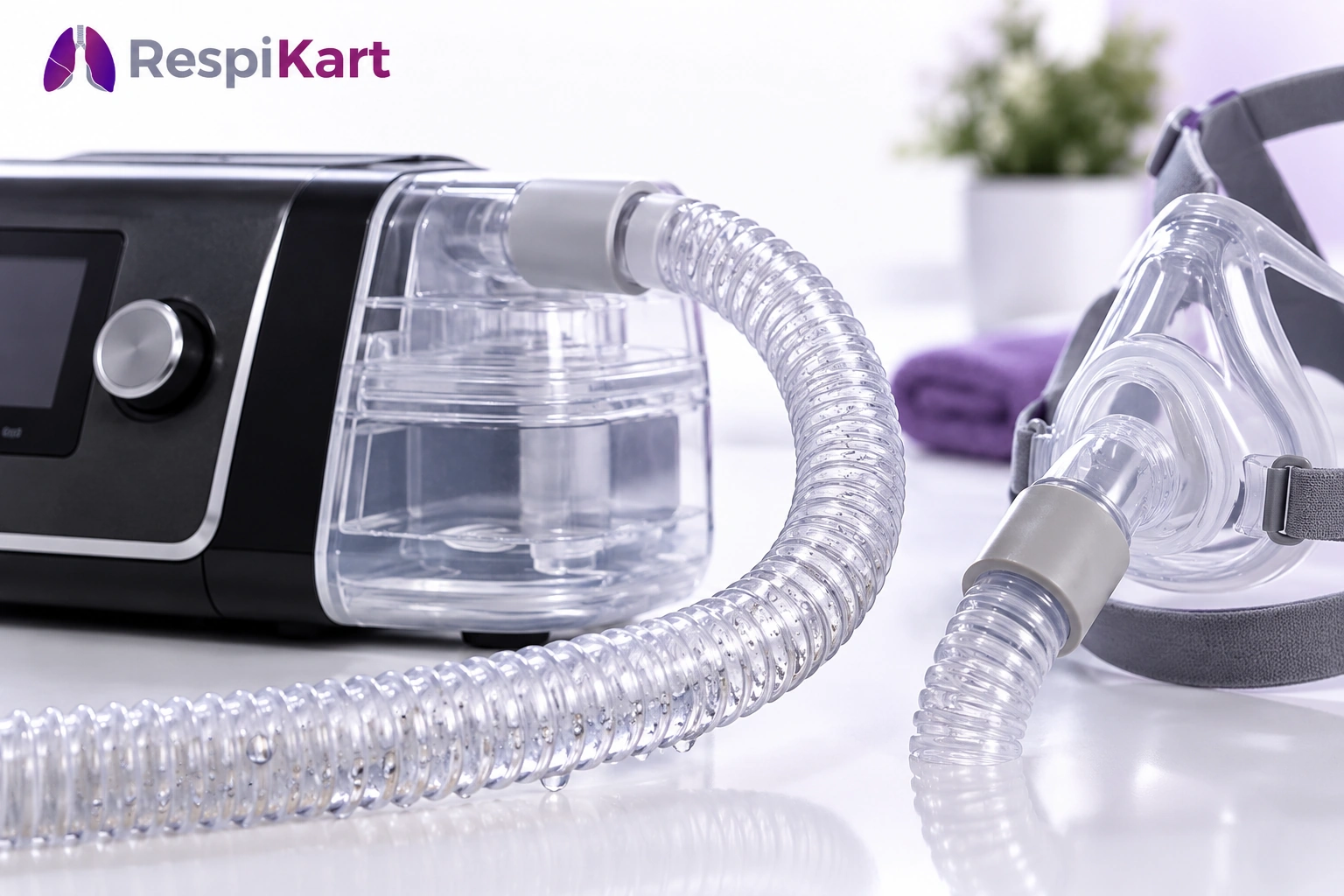
CPAP rainout refers to condensation forming inside the tubing when humidified air cools before reaching the mask.
You may notice water droplets inside the tube, a damp mask, gurgling sounds or water reaching the mask.
Depending on your equipment, reviewing humidity and heated tube temperature settings may help manage condensation.
Which CPAP Mask Type Is Right for Mouth Breathing?
CPAP masks come in different designs. Choosing a mask isn’t simply about selecting the smallest or most popular option. Your breathing pattern, therapy requirements, comfort and mask fit all matter.
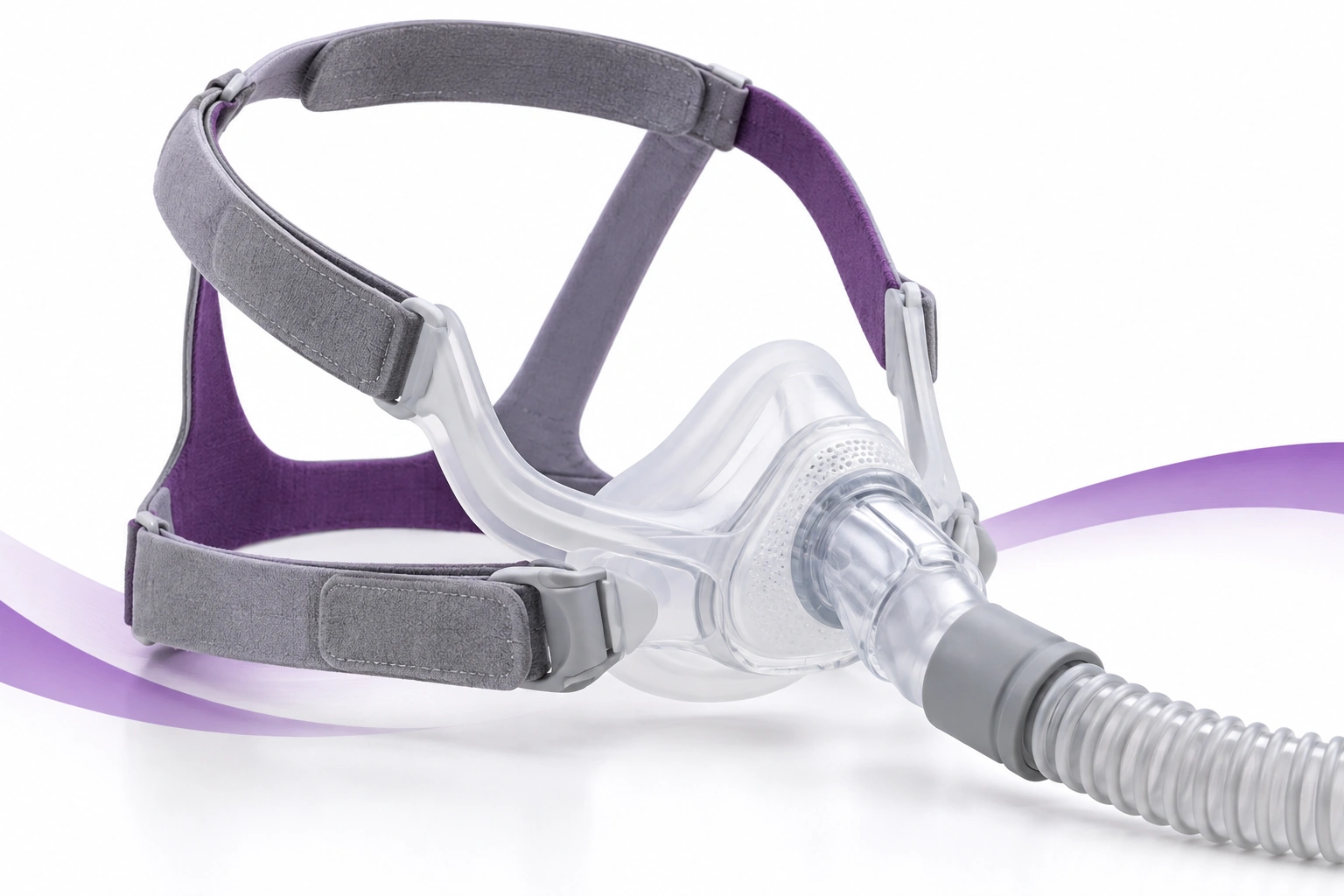
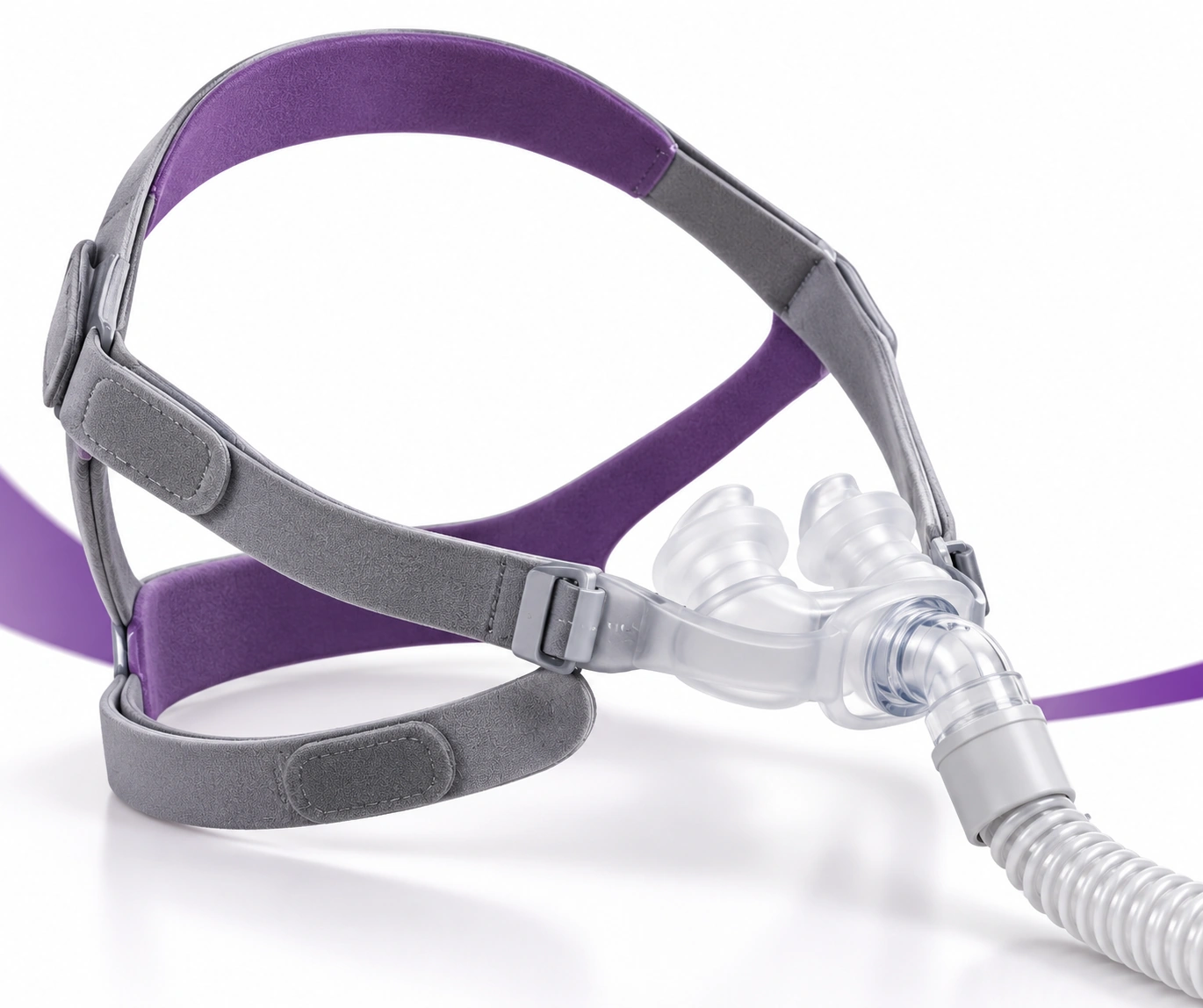
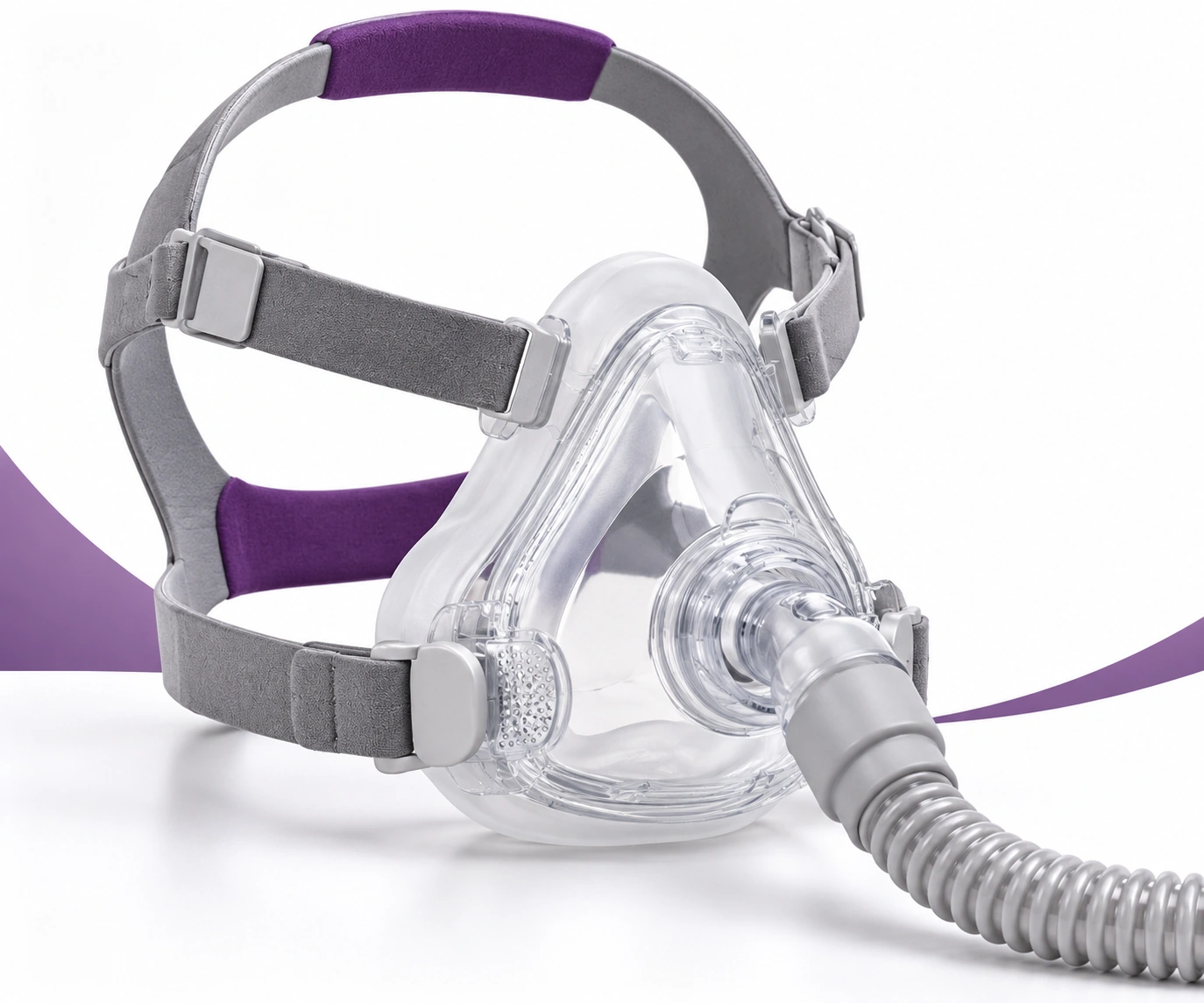
| Mask Type | Coverage | Important Consideration |
|---|---|---|
| Nasal Mask | Nose | Works around nasal breathing; mouth breathing may contribute to air leakage. |
| Nasal Pillow | Nostrils | Compact design; nasal congestion or mouth breathing may affect suitability. |
| Full Face | Nose + Mouth | May be considered for people who consistently breathe through their mouth during sleep. |
You can explore different CPAP & BiPAP Masks available at Respikart and select equipment according to your prescribed therapy and professional guidance.
10 Practical Ways to Reduce CPAP Dry Mouth
Use Humidification
Use your compatible humidifier according to manufacturer guidance.
Check Mask Fit
Make sure the mask is secure without excessive tightening.
Check Mouth Breathing
Discuss possible mouth leaks with your CPAP provider.
Manage Nasal Comfort
Persistent nasal blockage should be professionally evaluated.
Stay Hydrated
Maintain adequate hydration during the day.
Look for Rainout
Water inside the tube may indicate condensation.
Maintain Oral Care
Brush regularly and maintain routine dental care.
Review Mask Type
A different mask may be discussed if mouth breathing continues.
Review Medications
Some medicines may contribute to dry mouth.
Seek Professional Advice
Persistent symptoms deserve proper evaluation.
What About Mouth Tape for CPAP Dry Mouth?
Mouth taping has become popular in online discussions about sleep and CPAP therapy. However, it should not be treated as a universal solution for CPAP dry mouth.
If you have nasal obstruction, breathing difficulties, vomiting risk or another condition that affects your ability to breathe safely, mouth taping may require additional consideration.
Instead of treating mouth taping as the first solution, identify why your mouth is opening during sleep and discuss the issue with a healthcare professional or CPAP provider.
Can a Chin Strap Help With CPAP Dry Mouth?
A chin strap may be used with some nasal CPAP setups to help reduce mouth opening during sleep. However, it isn’t a guaranteed solution for every user.
If significant dryness continues, your provider may discuss other options, including whether a different mask design would be more appropriate for your therapy.
CPAP Dry Mouth and Your Oral Health
Persistent dry mouth is not just a comfort issue. Saliva plays an important role in maintaining the natural environment of the mouth.
Ongoing dryness may be associated with problems such as bad breath, oral discomfort, tooth decay and gum problems.
Can Drinking Water Before Bed Fix CPAP Dry Mouth?
Staying adequately hydrated throughout the day can support general comfort, but drinking a very large amount of water immediately before going to bed isn’t necessarily the best solution.
Excessive fluid intake at bedtime can increase nighttime urination and interrupt sleep.
If you’re drinking enough fluids but still waking with severe dry mouth, look at your mask, mouth breathing and humidification instead of assuming that you simply need more water.
Why CPAP Dry Mouth Can Change With the Season
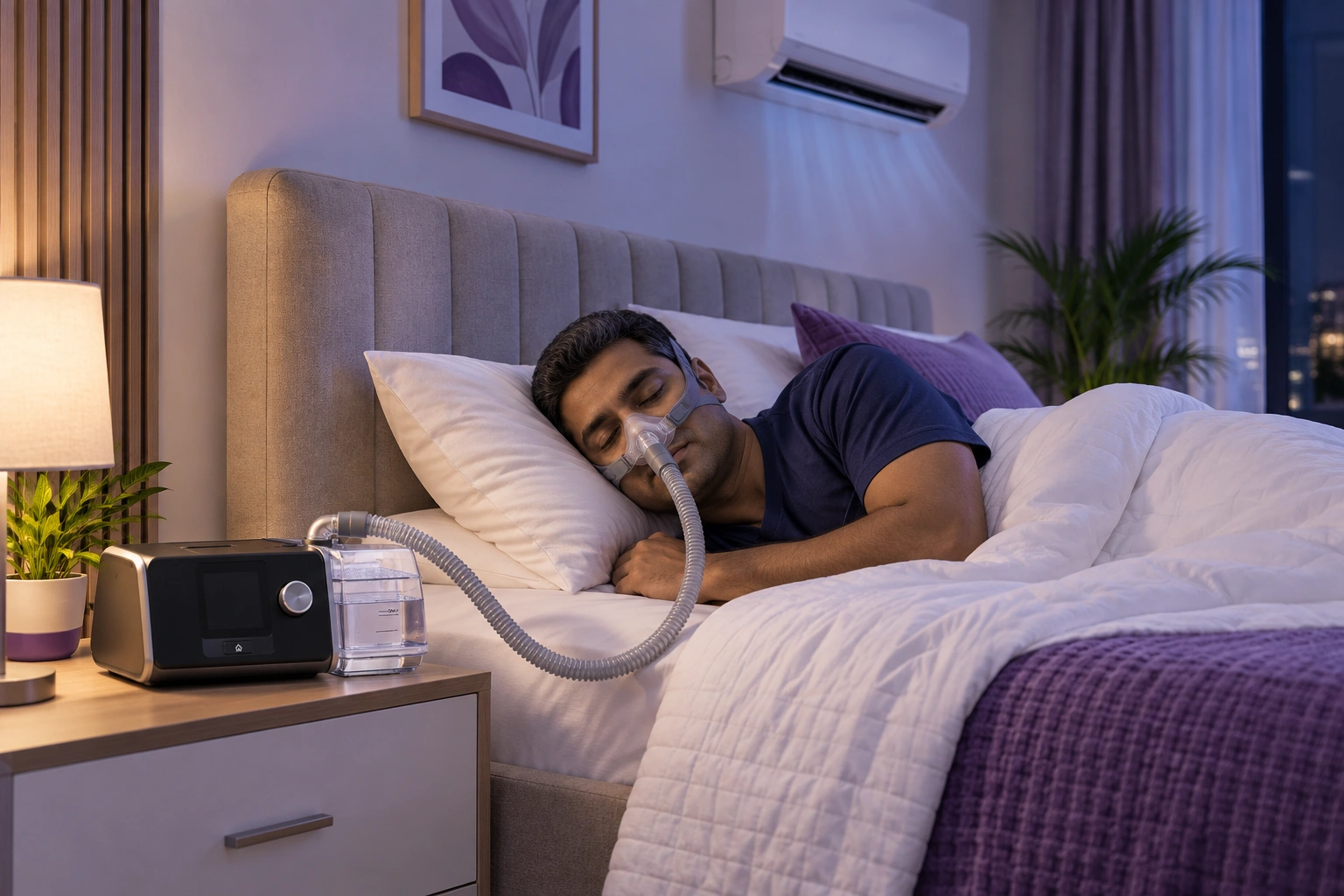
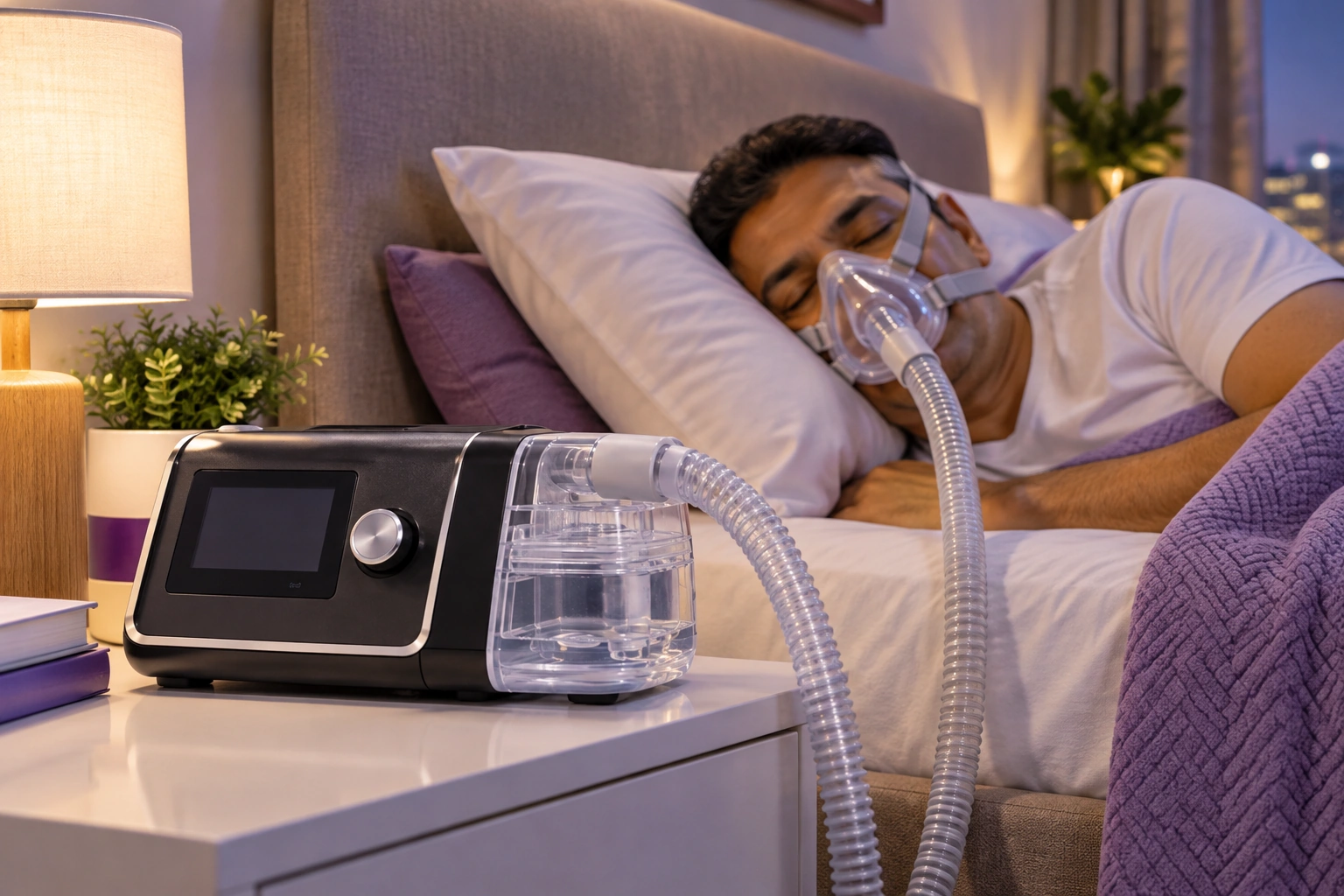
Your bedroom environment can influence how comfortable CPAP therapy feels.
Air conditioning and dry indoor environments can change the amount of moisture in the surrounding air. As a result, a humidity setting that feels comfortable during one season may feel different during another.
CPAP Dry Mouth Troubleshooting Checklist
Check These Before Your Next CPAP Review
CPAP Dry Mouth: Quick Reference
| What You Notice | What You Can Check |
|---|---|
| Very dry mouth every morning | Mouth breathing, mask leak and humidification |
| Air escaping from mouth | Possible mouth leak |
| Air blowing toward eyes | Mask seal and fitting |
| Dry nose and throat | Humidity and bedroom environment |
| Water inside tubing | Condensation / rainout |
| Blocked nose | Nasal congestion |
| Dry mouth despite humidifier | Mouth breathing, leak, medication or another cause |
Choosing CPAP Equipment for Better Comfort
When selecting CPAP equipment, the machine itself is only one part of the overall therapy experience. Mask comfort, humidification, tubing and correct setup can also make a difference.
Respikart’s CPAP range includes different types of CPAP equipment, including Auto CPAP options and models with humidification features.
CPAP & BiPAP Masks
Explore different mask styles and accessories available through Respikart.
View CPAP Masks →BiPAP Machines
Explore BiPAP equipment where bilevel respiratory support has been prescribed.
View BiPAP Machines →Looking for a CPAP Machine on Rent?
Respikart offers CPAP rental options in Delhi NCR. Explore available rental machines and contact the team for current availability, setup-related assistance and rental information.
Don’t Stop CPAP Therapy Just Because of Dry Mouth
CPAP discomfort can be frustrating, especially during the first phase of getting used to therapy. However, dry mouth by itself doesn’t mean that you need to abandon your CPAP treatment.
Instead, try to identify the reason behind the discomfort. The problem may be related to mask fitting, mouth breathing, humidification, condensation or another factor that can be addressed.
Frequently Asked Questions About CPAP Dry Mouth
Why do I wake up with a dry mouth after using CPAP?
Does a CPAP humidifier help with dry mouth?
Should I turn my CPAP humidity to maximum?
Why is my mouth dry even with a humidifier?
Can a full-face CPAP mask help with mouth breathing?
Can a CPAP mask leak cause dry mouth?
What is CPAP rainout?
Should I change my CPAP pressure because of dry mouth?
Make Your CPAP Therapy More Comfortable
Looking for CPAP machines, masks, BiPAP machines or respiratory equipment? Explore Respikart’s available products for purchase and rental.
Final Takeaway: Fix the Cause, Not Just the Symptom
CPAP dry mouth at night can be uncomfortable, but it doesn’t always mean that your CPAP therapy isn’t working for you.
Start by checking the most common factors: mask fit, mouth breathing, humidification, nasal comfort and condensation.
If the problem continues despite reasonable comfort adjustments, speak with your healthcare professional or CPAP provider.
This article is provided for general educational and informational purposes only. CPAP pressure, mask selection and therapy changes should be discussed with your healthcare professional or qualified CPAP provider. Do not stop prescribed treatment or change prescribed therapeutic pressure without professional guidance.
About Respikart
Respikart provides medical and respiratory care equipment for purchase and rental, including CPAP, BiPAP, oxygen concentrators and other healthcare equipment.
Explore the complete range at Respikart.com .
CPAP Machines
CPAP & BiPAP Masks
BiPAP Machines
Respiratory Equipment
CPAP Rentals
