
BiPAP Machines, CPAP MACHINE
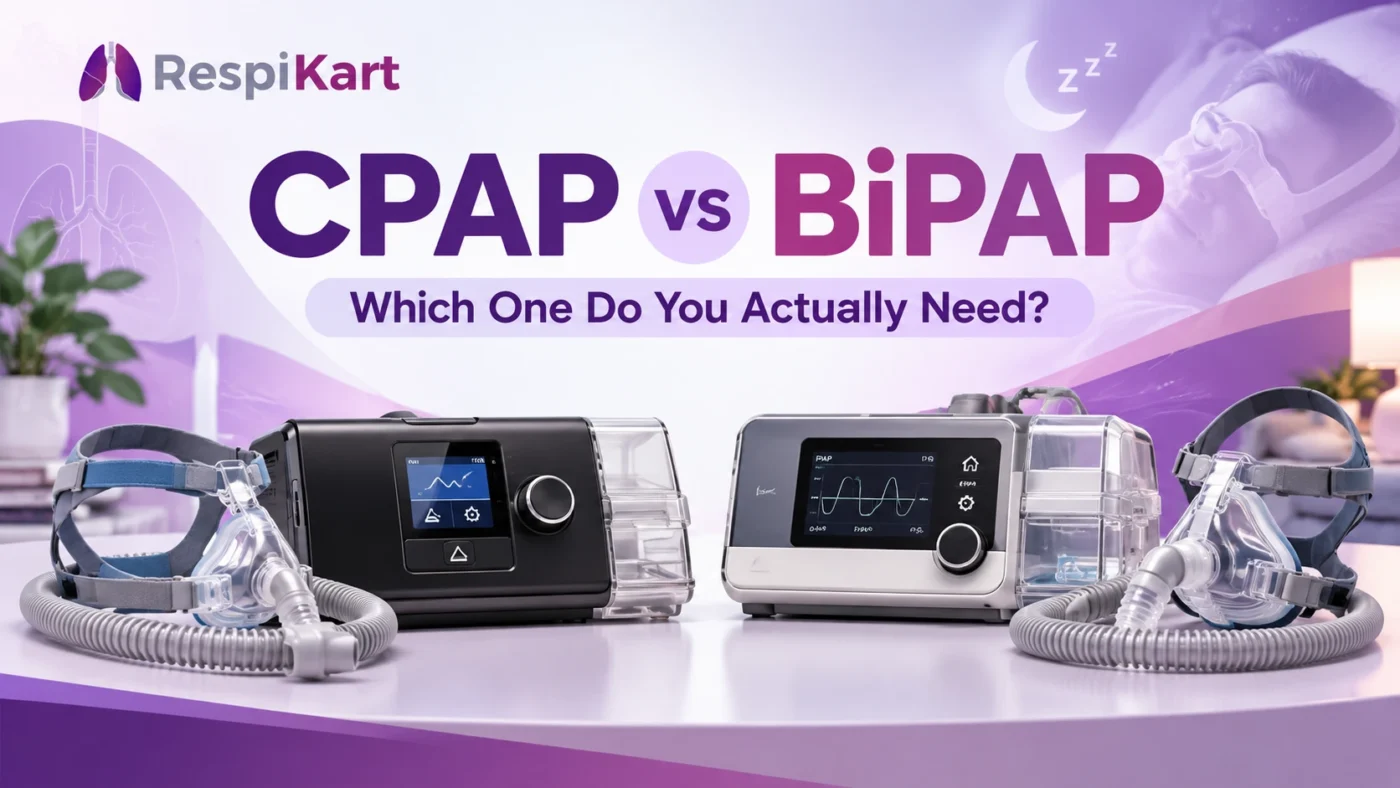
CPAP vs BiPAP: Which One Do You Actually Need?
CPAP vs BiPAP:
Which One Do You Actually Need?
Two machines. Two different pressure approaches. Discover how CPAP and BiPAP differ, when each may be used, and what to discuss with your healthcare provider.
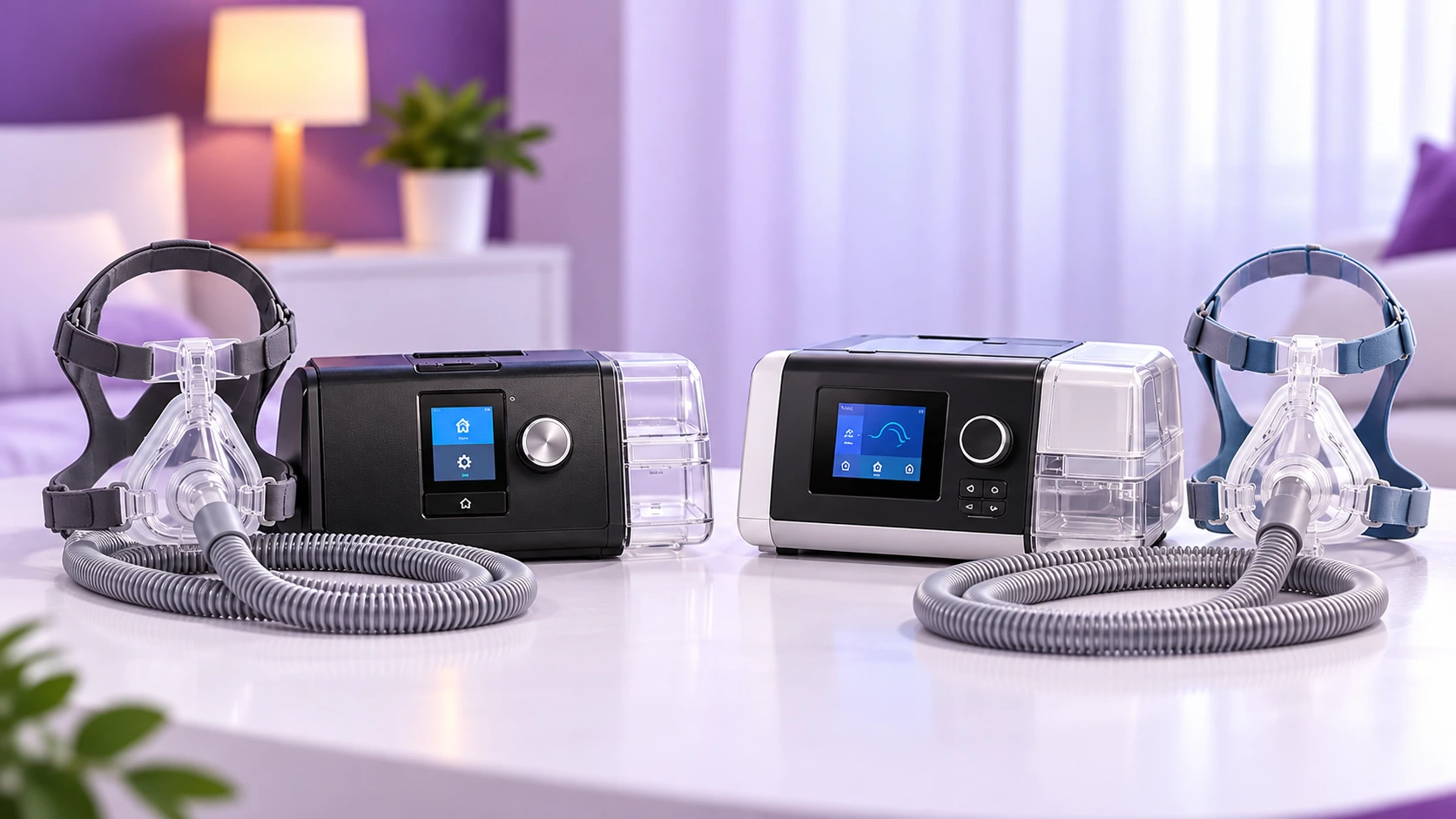
CPAP is commonly the first treatment for obstructive sleep apnea. BiPAP delivers two pressure levels and may be considered when additional ventilatory support is needed or prescribed CPAP pressure is difficult to tolerate. The right choice depends on your diagnosis and clinical assessment.
How Do CPAP and BiPAP Work?
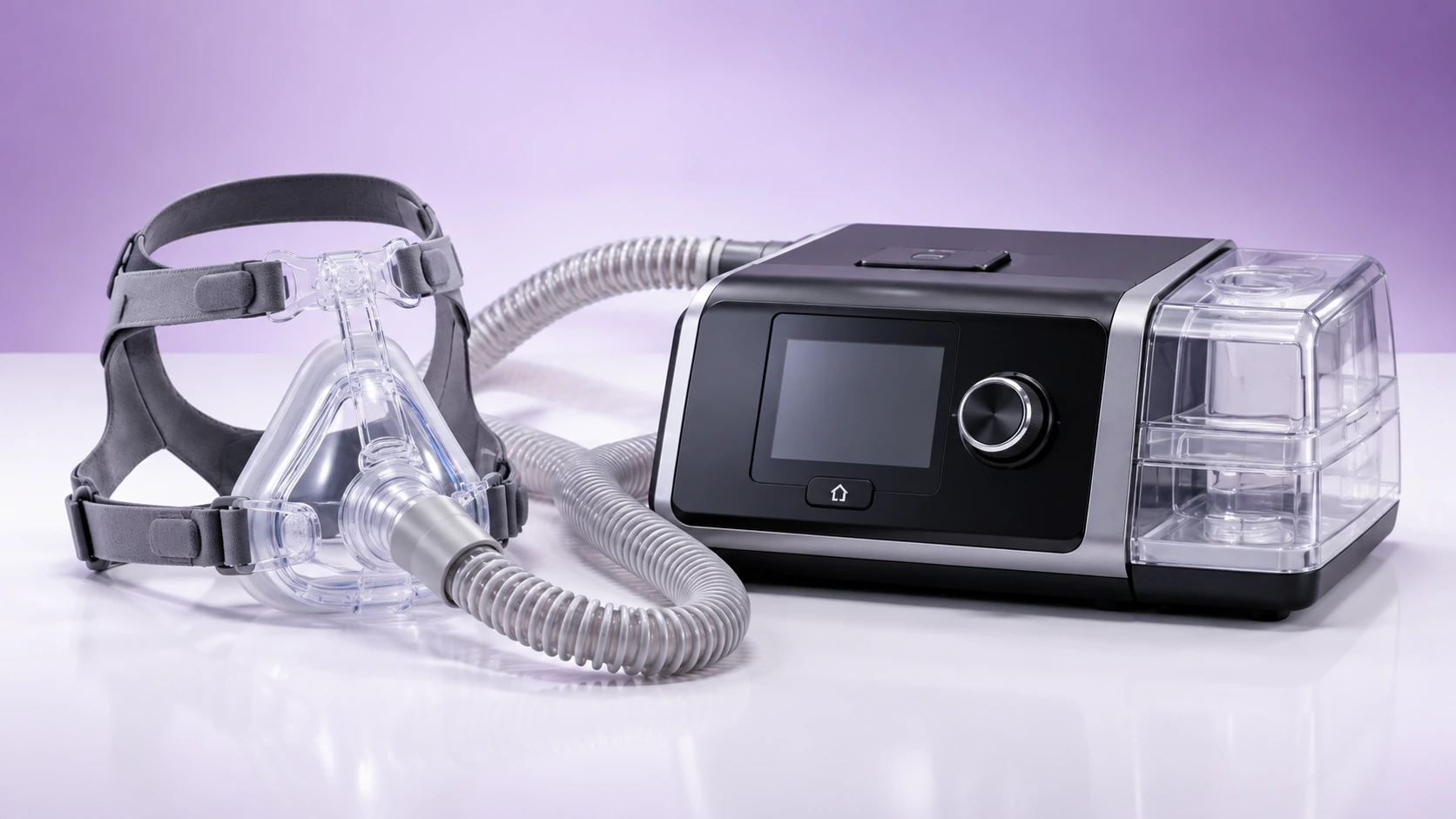
Both machines deliver pressurised air through a mask. CPAP maintains a pressure level to help keep the upper airway open during sleep. BiPAP uses a higher inspiratory pressure (IPAP) and a lower expiratory pressure (EPAP).
CPAP Therapy
Continuous positive airway pressure helps prevent the upper airway from collapsing. Auto-adjusting CPAP models can vary pressure within a prescribed range.
View CPAP machines →BiPAP Therapy
Separate inspiratory and expiratory pressure levels can provide pressure support to selected patients who need assistance with ventilation.
Explore respiratory rentals →One Pressure vs Two Pressure Levels
A simplified illustration of the concept. Bar lengths are illustrative and do not represent actual machine settings.
CPAP vs BiPAP: What’s the Difference?
Use this comparison to understand the basic differences. It cannot determine which therapy is right for an individual.
| Feature | CPAP | BiPAP |
|---|---|---|
| Pressure | One continuous pressure level | Separate IPAP and EPAP levels |
| Common use | Obstructive sleep apnea | Selected conditions requiring bilevel support |
| Breathing support | Helps maintain an open upper airway | Pressure support may assist ventilation |
| Cost | Often lower, depending on model | Often higher, depending on model |
| Selection | Diagnosis and prescribed settings | Diagnosis and ventilation requirements |
When Is CPAP Usually Enough?
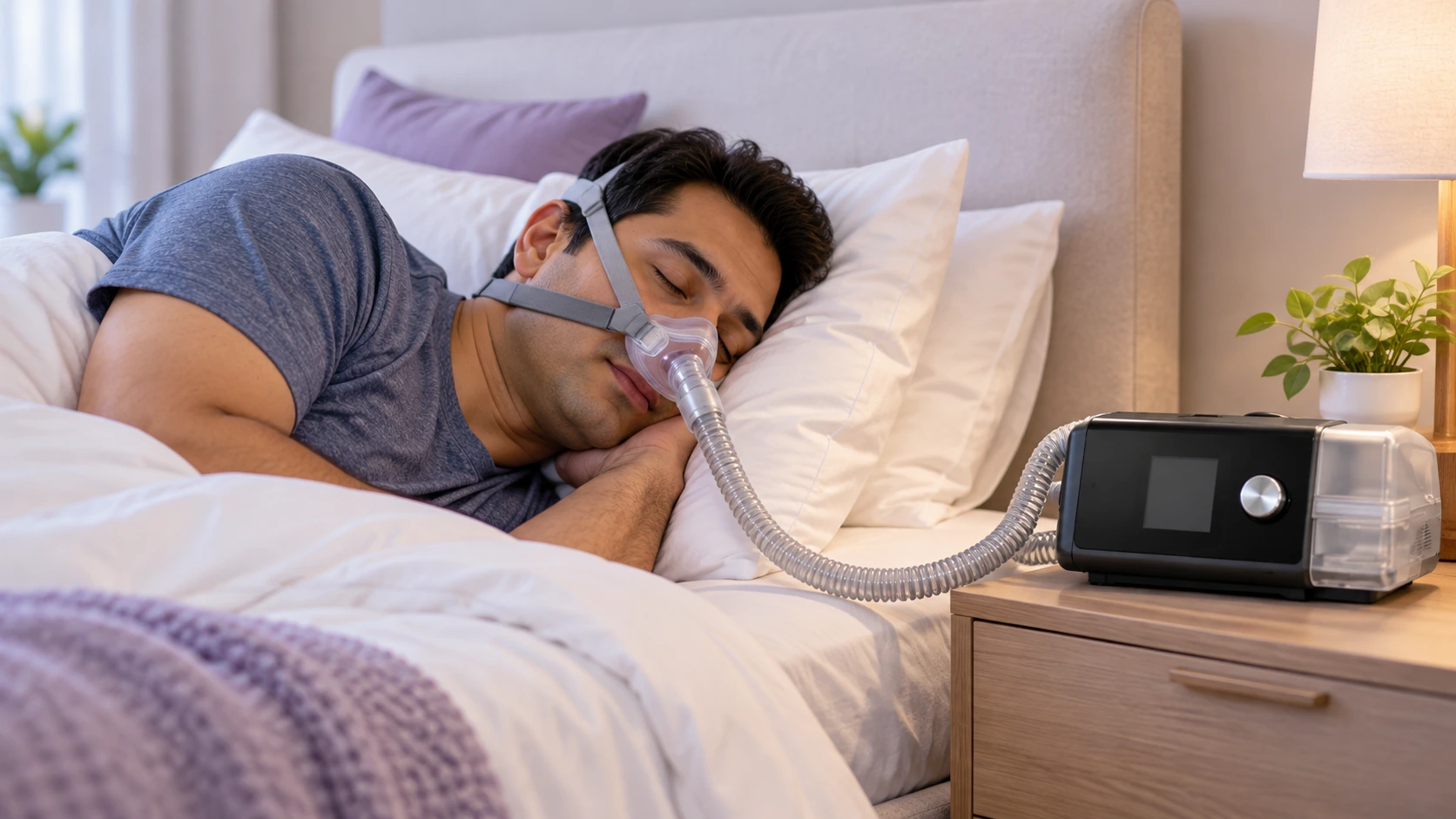
For many patients with obstructive sleep apnea, CPAP is the usual starting treatment. The machine supplies pressure to help keep the upper airway open while sleeping.
May be appropriate when
- OSA has been diagnosed.
- Prescribed pressure controls breathing events.
- The patient can comfortably use the mask.
Improve comfort
- Review mask fit and air leaks.
- Ask about humidification for dryness.
- Discuss ramp and comfort settings.
If CPAP feels uncomfortable, review the cause with your clinician before deciding that a different machine is necessary. Read our complete CPAP machine guide →
When Might BiPAP Be Considered?
Difficulty tolerating prescribed CPAP pressure
Some patients find exhalation against a high pressure uncomfortable. After assessing mask fit and comfort options, a clinician may consider bilevel therapy.
Selected COPD cases
Some people with COPD develop carbon dioxide retention or ventilation problems. Non-invasive ventilation may be prescribed after specialist assessment.
Hypoventilation and other breathing disorders
Certain neuromuscular conditions, obesity hypoventilation syndrome and some forms of central sleep apnea require specialised evaluation. The appropriate device and mode depend on the underlying diagnosis.
How Do Doctors Choose the Right Machine?
Assessment
Review symptoms, sleep study results and medical history.
Pressure settings
Determine suitable pressure and therapy mode when indicated.
Comfort
Check mask fit, leaks and the patient’s ability to use the device.
Follow-up
Review symptoms and therapy data to assess effectiveness.
Never use another person’s pressure settings or change your therapy without medical advice.
Rent or Buy a CPAP or BiPAP Machine?
If you need equipment temporarily, renting may be worth considering. Respikart provides medical equipment rental options across Delhi NCR. Confirm current availability, rental charges, accessories, delivery and setup before ordering.
Frequently Asked Questions
1. Is BiPAP better than CPAP?
Neither is universally better. CPAP is commonly used for obstructive sleep apnea, while BiPAP may be appropriate when different pressure levels or additional ventilatory support are needed.
2. Can I switch from CPAP to BiPAP?
Your clinician may recommend a change after reviewing pressure tolerance, mask fit and treatment results. Do not switch machines or change settings independently.
3. Is BiPAP used for COPD?
Non-invasive ventilation may help selected patients with COPD who have ventilation problems. Not every COPD patient needs BiPAP, and specialist guidance is important.
4. Do CPAP and BiPAP machines need medical guidance?
Yes. Device selection and settings should be guided by a qualified healthcare professional and the applicable prescription requirements.
5. Can I rent a machine from Respikart?
Respikart lists CPAP rental options and selected BiPAP models. Check current stock, rental terms and delivery availability with the team before placing an order. Explore rentals →
6. What if my CPAP mask feels uncomfortable?
Discuss mask fit, leaks, dryness and comfort settings with your care provider. Do not stop treatment or alter pressure settings without medical advice.
Choose With Confidence
CPAP and BiPAP have different roles in respiratory care. A proper diagnosis and suitable settings matter more than choosing the machine with more features.
Continue reading: CPAP Machine Complete Guide →Medical disclaimer: This article is for educational purposes only and does not replace professional medical advice. Always consult a qualified healthcare provider before choosing, changing or adjusting respiratory equipment.
