

Oxygen Therapy
5 LPM vs 10 LPM Oxygen Concentrator: Which Do You Need?
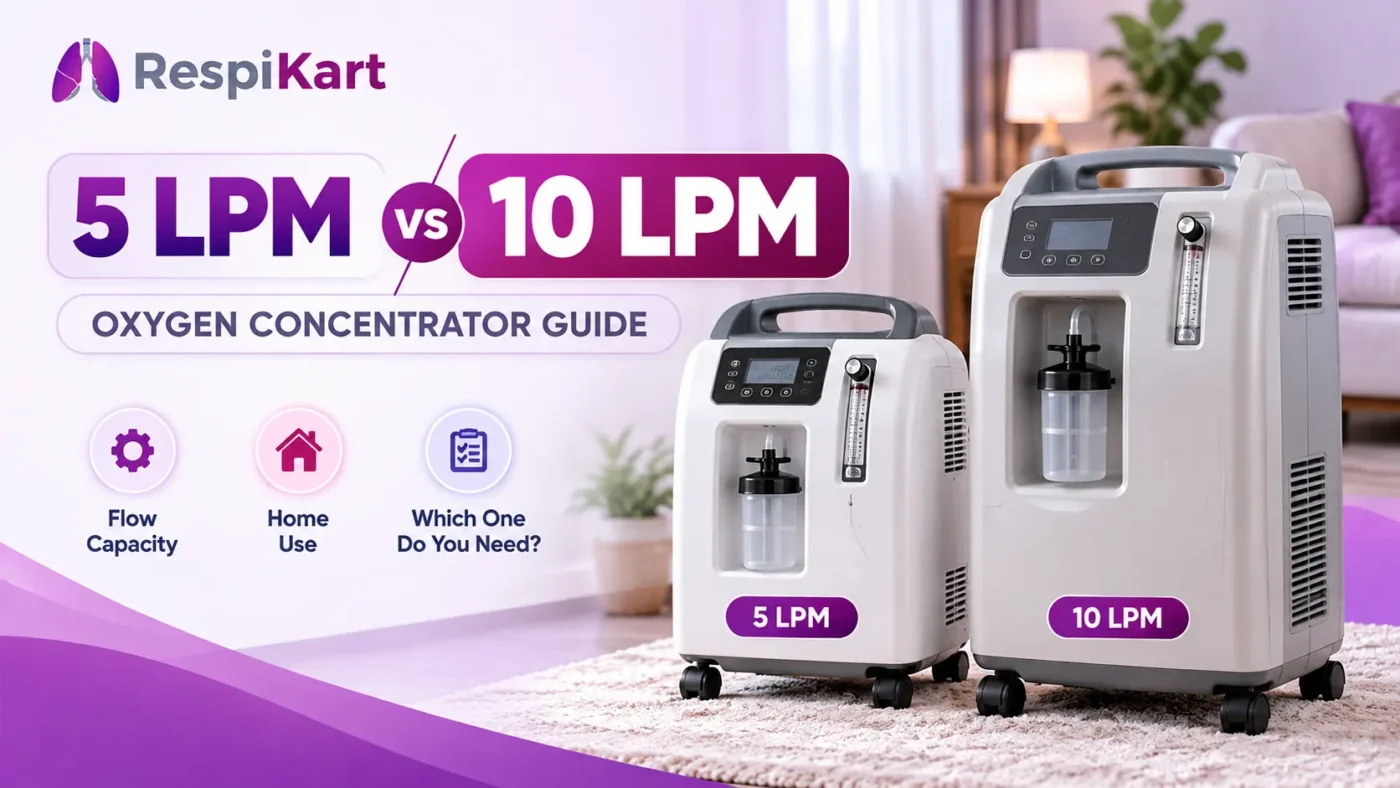
THE COMPLETE COMPARISON GUIDE
5 LPM vs 10 LPM Oxygen Concentrator: Which Do You Need?
Choosing a home oxygen concentrator? Explore flow capacity, everyday usability, power requirements and buying versus renting before discussing the right equipment with your healthcare provider.
Explore Oxygen Guide ↗ Concentrator vs Cylinder ↗Home Healthcare Education · Respikart.com
✦ QUICK ANSWER
Which LPM Is Right for You?
A 5 LPM model may be suitable if the prescribed oxygen flow is within its supported range. A 10 LPM model offers a higher maximum flow when the treating clinician determines that additional capacity is required.
Important: More LPM does not automatically mean better treatment. Follow the prescription and the manufacturer’s performance specifications.
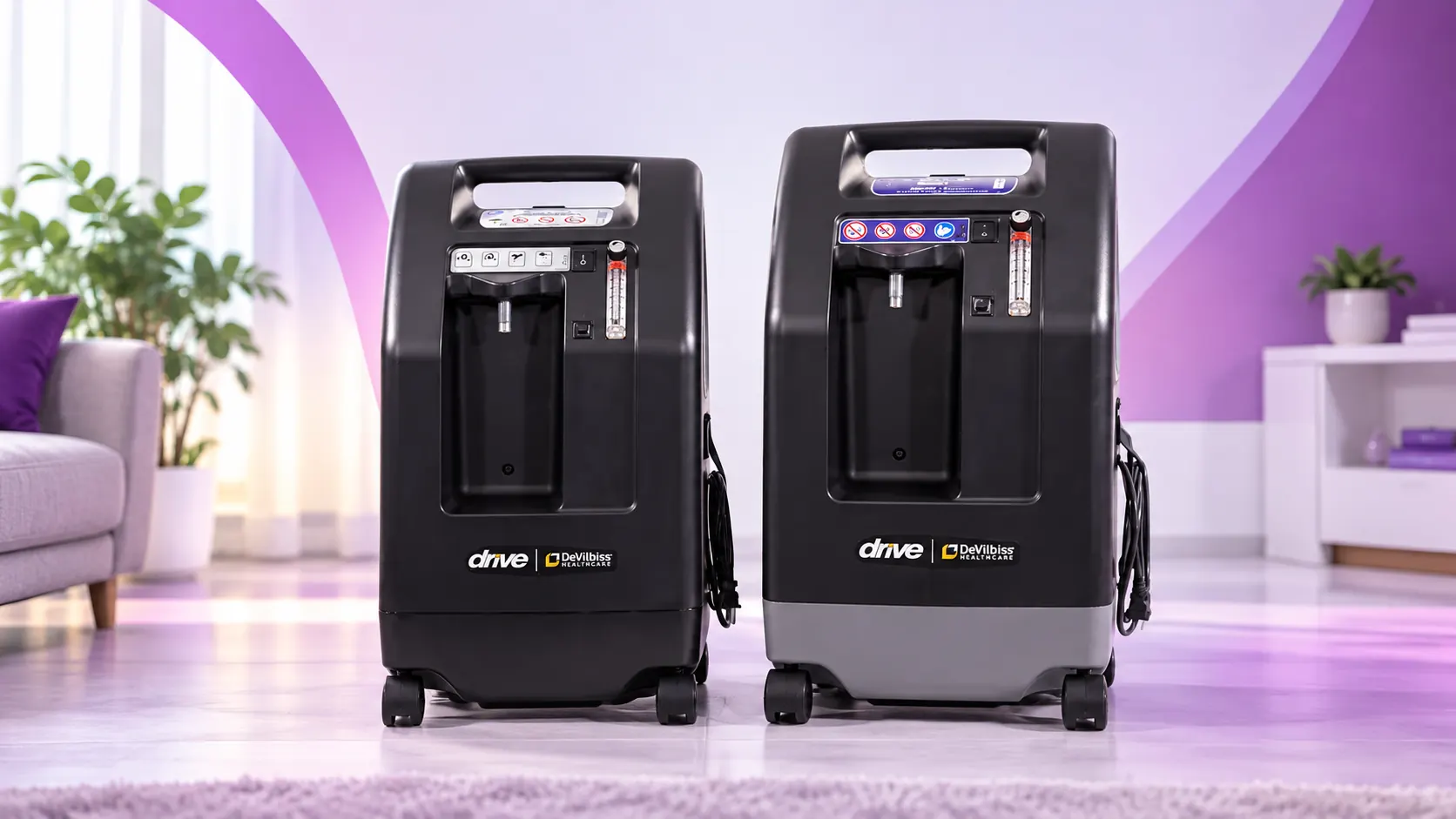
⚡ 5 LPM vs 10 LPM at a Glance
LPM means litres per minute. It describes the rated flow capacity of the machine.
5 LPM Oxygen Concentrator
A common option for home oxygen therapy when the prescribed flow falls within the model’s supported specifications.
10 LPM Oxygen Concentrator
A higher-capacity option when the prescribed flow exceeds what a 5 LPM machine can deliver.
*General tendencies only. Dimensions, power consumption and noise vary by model.
📊 Detailed Comparison
| Feature | 5 LPM | 10 LPM |
|---|---|---|
| Maximum rated flow | Up to 5 LPM | Up to 10 LPM |
| Physical size | Often more compact | Often larger |
| Electricity consumption | Check model rating | Check model rating |
| Noise | Model dependent | Model dependent |
| Oxygen concentration | Verify at required flow | Verify at required flow |
| Selection | Based on the prescription and the manufacturer’s specifications | |
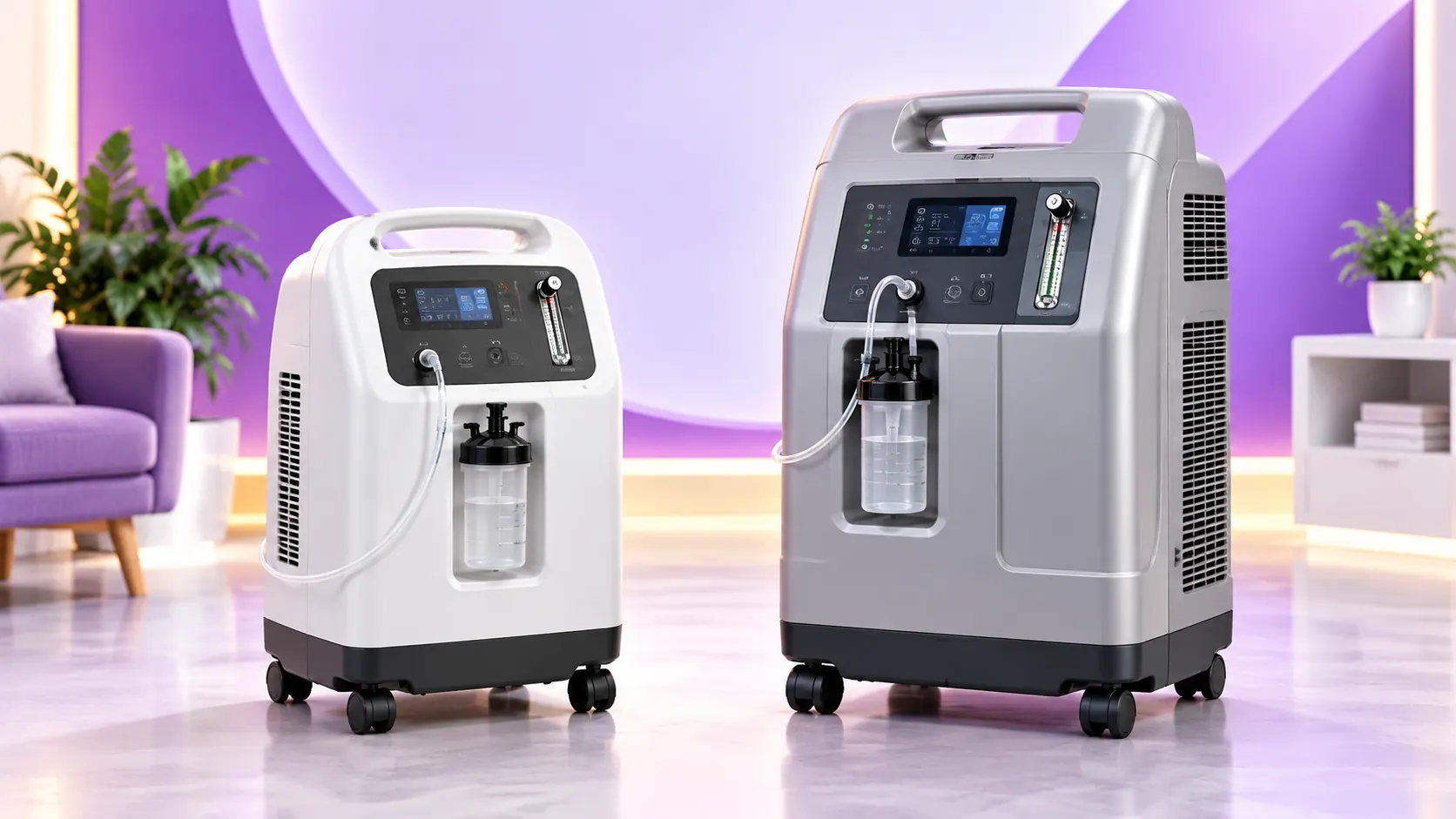
🫁 How Does an Oxygen Concentrator Work?
Most stationary concentrators use pressure swing adsorption (PSA) to separate much of the nitrogen from room air and supply oxygen-rich gas.
Output concentration depends on the specific model, its operating conditions and the selected flow. Always check manufacturer specifications.
📚 Explore the Complete Oxygen Concentrator Guide
RESPIKART EDUCATIONAL RESOURCE · 01 Oxygen Concentrator Guide: Buying, Renting & Home Use Learn more about equipment selection, important specifications and home oxygen care. READ THE FULL GUIDE →🎯 Who May Need a 5 LPM or 10 LPM Model?
Home Oxygen Care
A 5 LPM model may suit a prescription within its supported operating range.
Higher Flow Needs
A 10 LPM model may be considered when a clinician prescribes more than a 5 LPM unit can provide.
Daily Practicalities
Compare electricity use, noise, installation space and servicing.
🛒 Should You Buy or Rent?
Buying
May be worth considering for anticipated long-term use.
- Compare purchase price
- Check warranty and servicing
- Confirm the prescribed capacity
Renting
May be practical for temporary or uncertain-duration requirements.
- Check rental duration and charges
- Ask about delivery and maintenance
- Confirm return terms
🔍 Oxygen Concentrator vs Oxygen Cylinder
A concentrator produces oxygen-rich gas using electricity, whereas a cylinder stores a finite supply of compressed oxygen. The appropriate setup depends on the prescription and the patient’s circumstances.
RESPIKART COMPARISON RESOURCE · 02 Oxygen Concentrator vs Oxygen Cylinder: Which Is Better at Home? Explore differences in operation, power requirements, refilling and home backup planning. EXPLORE THE COMPARISON →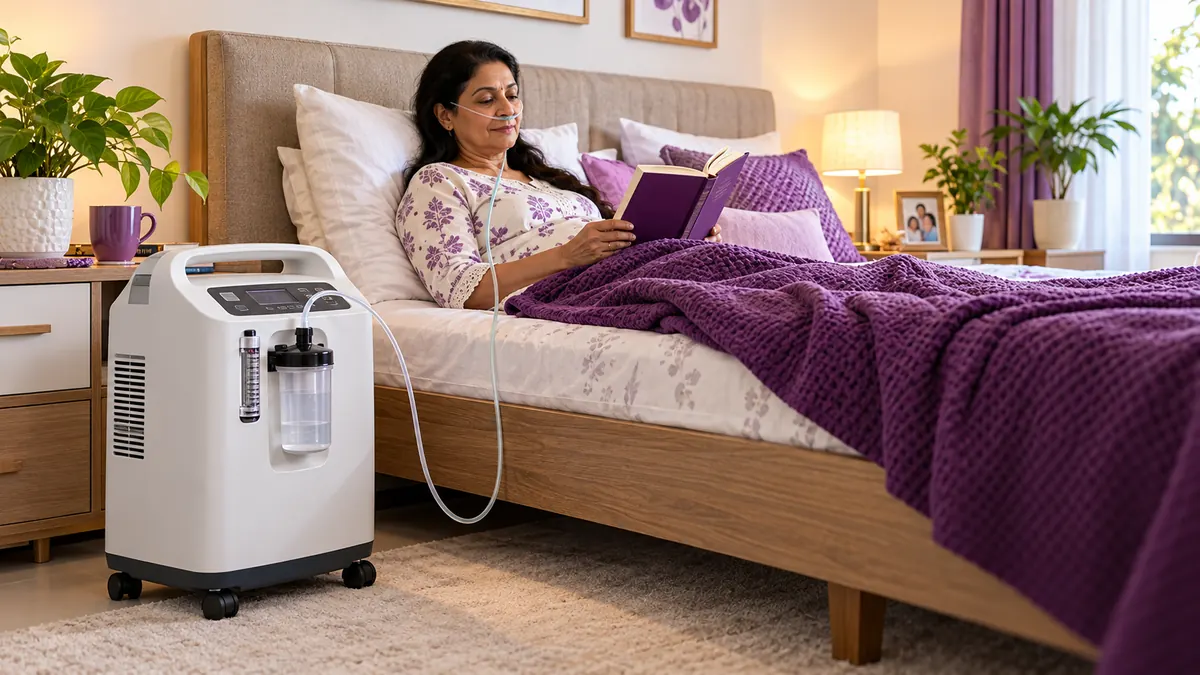
✅ Your Pre-Purchase Checklist
- Obtain the oxygen prescription and required flow rate.
- Verify the machine’s output concentration at the prescribed flow.
- Compare power consumption and operating noise.
- Ask about alarms, filters, warranty and service support.
- Plan an appropriate backup for power interruptions.
- Keep intake and exhaust vents unobstructed.
- Confirm delivery, installation and rental terms.
🛡️ Home Oxygen Safety
Fire Safety
Oxygen supports combustion. Keep equipment away from smoking, open flames and ignition sources.
Power Backup
Standard stationary concentrators need electricity. Discuss an appropriate backup arrangement with the care team.
💬 Frequently Asked Questions
1. Is 10 LPM better than 5 LPM?
Not automatically. A 10 LPM unit has a higher maximum flow. The correct model depends on the prescription and manufacturer specifications.
2. Can a 10 LPM machine run at a lower flow?
Many models support lower settings, but the permitted operating range varies. Follow the manual and the prescribed flow.
3. What if 5 LPM is not sufficient?
Contact the treating clinician promptly to review the prescription and equipment. Do not independently change the flow.
4. Can two people share one concentrator?
Do not split the output without clinical guidance and confirmation that the device supports that arrangement. Each patient needs an individually assessed prescription.
5. Is renting a good option?
Renting may suit temporary or uncertain-duration requirements. Compare the total cost, service support and rental conditions.
6. Do I need a cylinder as backup?
A backup arrangement may be important during power failures. Ask the treating clinician which option is appropriate.
7. Does a 10 LPM model use more electricity?
It may, but actual consumption depends on the model and operating conditions. Compare rated power specifications.
RESPIKART · HOME HEALTHCARE
Make an Informed Home Oxygen Equipment Choice
Explore our guides to understand oxygen concentrators, compare cylinders and prepare for prescribed home oxygen therapy.
Read Oxygen Guide ↗ Compare Oxygen Options ↗More home healthcare resources at Respikart.com
