
CPAP MACHINE, Sleep Apnea
How to Choose the Right BiPAP Mask
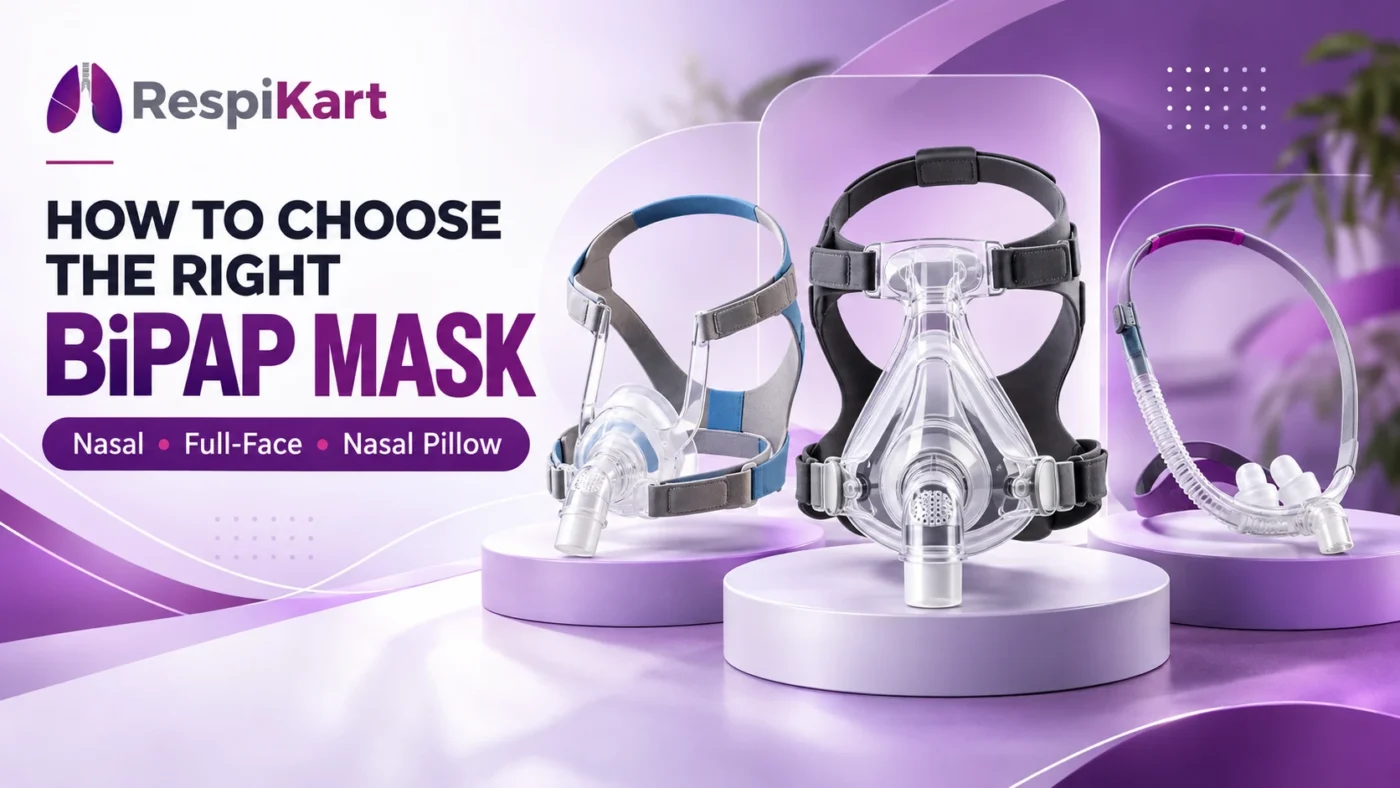
How to Choose the Right BiPAP Mask: Nasal, Full-Face or Nasal Pillow?
Find out how three popular BiPAP mask designs differ in coverage, comfort and fit. Learn what to consider before choosing an interface for your prescribed respiratory therapy.
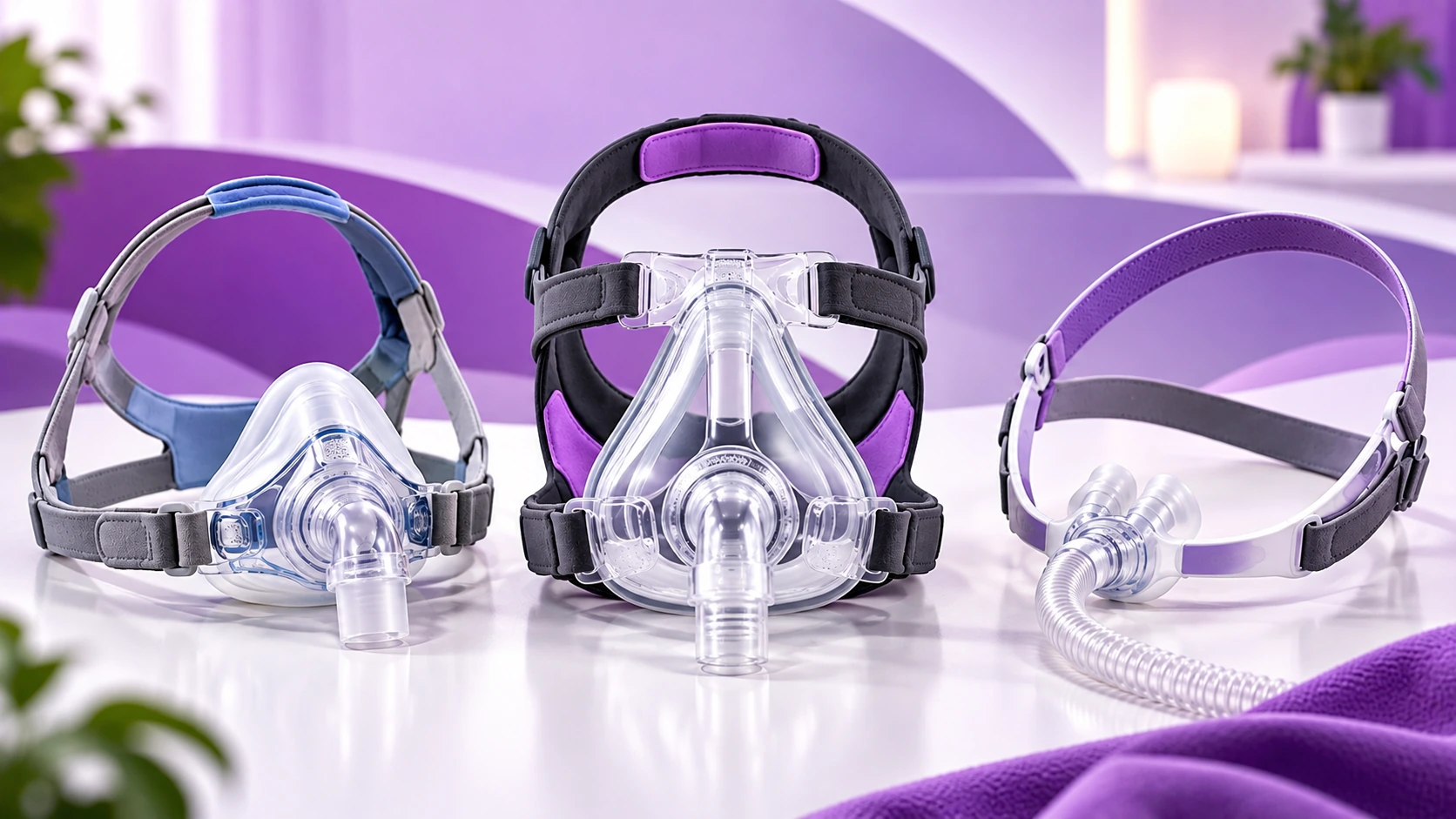
A BiPAP mask is more than an accessory. It creates the interface between the machine and the person receiving therapy. The right fit can help reduce unwanted leaks and make treatment more comfortable, while a poorly fitting mask can cause irritation, noise or disrupted sleep.
At Respikart, our respiratory care content is designed to help patients and caregivers understand equipment options before making a purchase. This guide covers the key differences between nasal, full-face and nasal pillow masks.
A nasal mask covers the nose, a full-face mask covers the nose and mouth, and a nasal pillow mask rests at the nostrils. The most suitable option depends on breathing pattern, facial fit, comfort, machine compatibility and prescribed therapy settings.
Why Does Your BiPAP Mask Matter?
A BiPAP machine delivers a higher pressure during inhalation and a lower pressure during exhalation. The mask provides the interface through which that prescribed airflow reaches the patient.
If the mask does not seal properly, air can escape around the cushion or through the mouth when a nasal-only interface is used. Leaks can contribute to dry mouth, noise, disturbed sleep and reduced therapy effectiveness.
A secure seal
Correct sizing and positioning help limit unwanted air leaks without excessive strap tension.
Comfortable contact
Cushion shape, headgear and sleeping position affect whether a mask remains comfortable throughout the night.
For a broader understanding of machine types, therapy modes and equipment considerations, visit the Respikart BiPAP Machine Complete Guide .
Nasal BiPAP Mask: A Balance of Coverage and Comfort
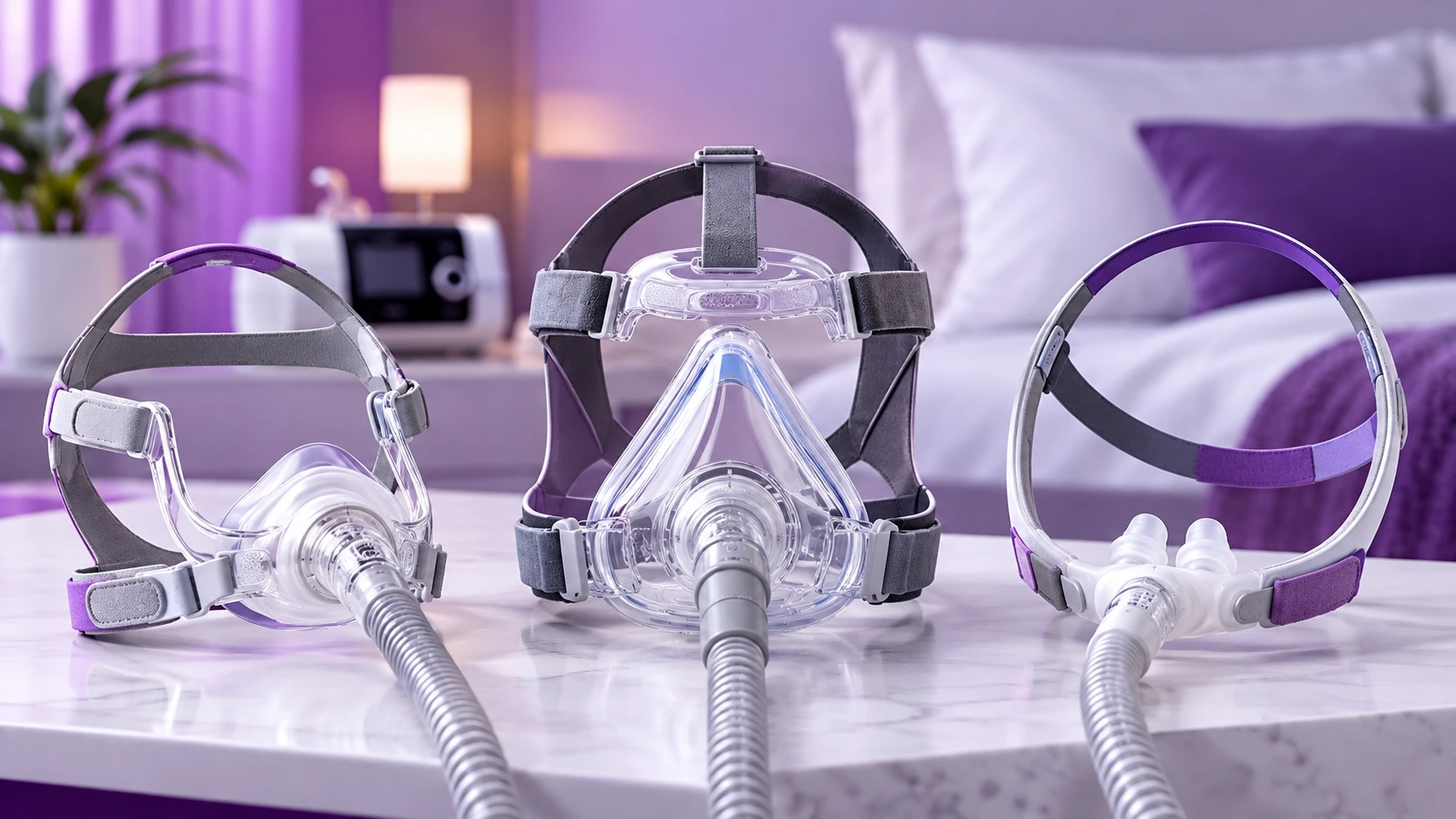
A nasal mask uses a shaped cushion that fits around the nose. It leaves the mouth free and provides a middle ground between a minimal-contact interface and a full-face design.
- You mainly breathe through your nose during sleep.
- You prefer less facial coverage than a full-face mask.
- You can achieve a comfortable seal with the available sizes.
What should you watch for?
If your mouth opens during sleep, air may escape through it. A dry mouth or sore throat can be a sign worth discussing with your provider. Nasal congestion and cushion fit can also affect comfort.
Explore our Philips DreamWear Nasal Mask product page for an example of a nasal-style interface. Confirm current availability and compatibility before ordering.
Full-Face BiPAP Mask: Coverage for Nose and Mouth
A traditional full-face mask seals around both the nose and mouth. It can be useful when a person breathes through the mouth during sleep, has persistent nasal obstruction or needs an alternative to a nasal-only interface.
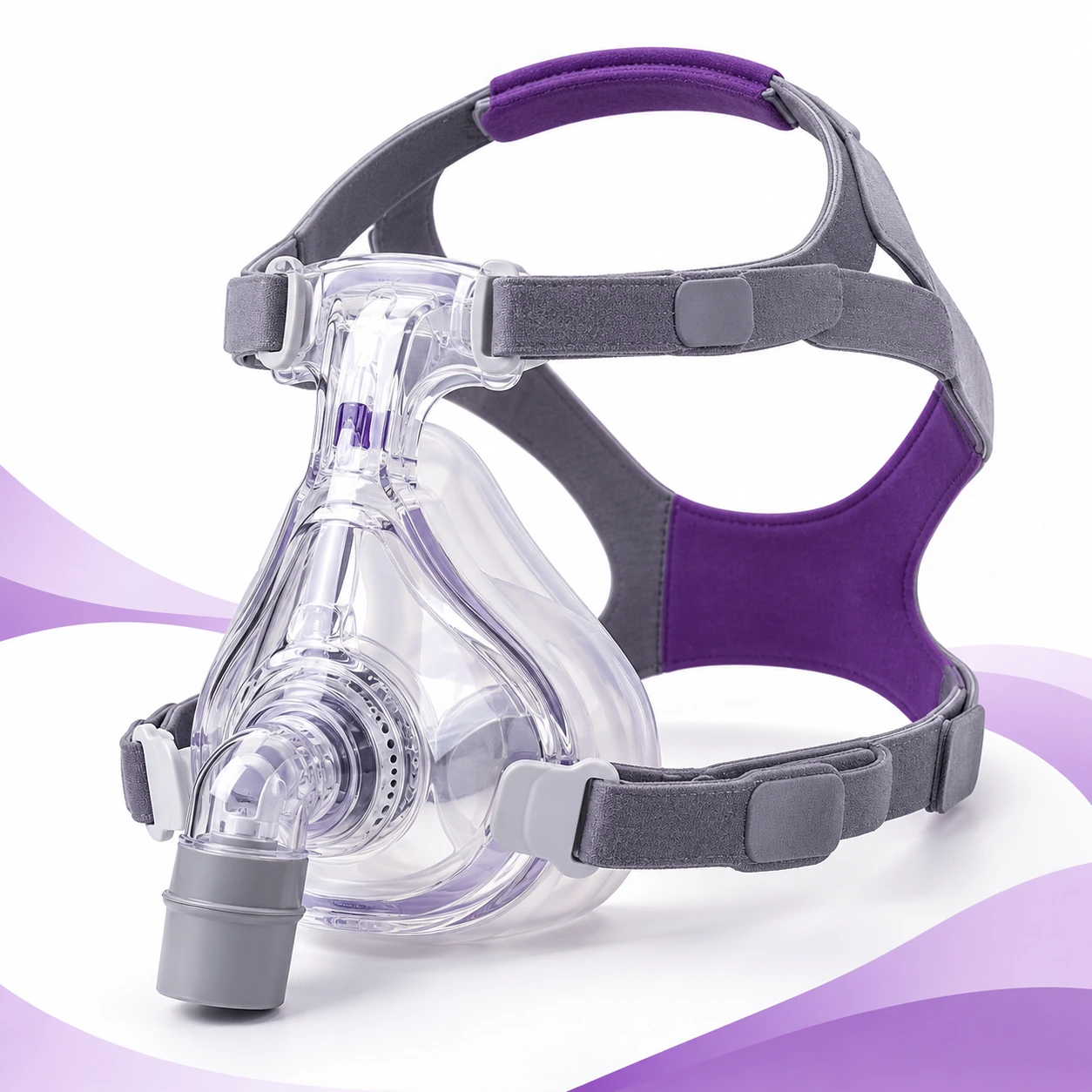
Coverage for both
Air can be delivered through the nose or mouth when the interface is appropriate for the prescribed therapy.
Face contact and fit
A larger cushion may feel bulky or cause pressure marks. Correct sizing and positioning are important.
Full-face masks are sometimes used in respiratory care for patients with COPD, but mask choice must be based on the individual clinical situation and prescribed ventilation requirements.
Read our dedicated BiPAP for COPD Patients Guide to learn more about BiPAP therapy in COPD care.
Anyone who cannot remove a mask independently, or who has a significant risk of vomiting or aspiration, needs an individual clinical assessment. Ask the treating clinician which interface and safety features are appropriate. Do not assume every mask has the same safety features.
Nasal Pillow Mask: A Minimal-Contact Design
Nasal pillow masks use small cushions or prongs positioned at the entrance of the nostrils. Their low-profile construction leaves most of the face uncovered and avoids placing a cushion across the nose bridge.
Why users may like them
- Minimal facial contact.
- Clear field of view.
- No cushion across the nose bridge.
- May suit some side sleepers.
Possible limitations
- Airflow can feel forceful.
- Nasal dryness or irritation may occur.
- They do not cover the mouth.
- Suitability varies with the prescribed therapy.
Do not choose or reject a nasal pillow mask based only on a pressure number. Ask your clinician or trained equipment provider whether the particular mask is suitable for your machine, settings and comfort needs.
Compare the 3 BiPAP Mask Types
Use this visual guide to understand the main design differences. Individual fit and prescribed therapy remain the deciding factors.
01. Nasal Mask
Coverage: Nose
May suit: People who mainly breathe through their nose.
Consider: Mouth leaks and nasal comfort.
02. Full-Face
Coverage: Nose and mouth
May suit: Some mouth breathers and people with nasal obstruction.
Consider: Cushion size and facial pressure.
03. Nasal Pillows
Coverage: Nostrils
May suit: People who prefer minimal facial contact.
Consider: Nasal comfort and mouth leaks.
| Feature | Nasal | Full-Face | Nasal Pillow |
|---|---|---|---|
| Facial coverage | Nose | Nose and mouth | Nostril openings |
| Mouth breathing | May cause mouth leaks | Accommodates oral breathing | May cause mouth leaks |
| Facial contact | Moderate | Generally greater | Minimal |
| Potential concern | Mouth leakage | Bulk or pressure marks | Nasal dryness or discomfort |
| What to check | Nasal breathing and seal | Size and facial comfort | Nostril comfort and compatibility |
How to Choose the Right BiPAP Mask
-
Understand your breathing pattern
Tell your provider if you mainly breathe through your nose, regularly breathe through your mouth or have persistent congestion.
-
Review your prescribed settings
The mask must be appropriate for your machine and prescribed therapy. Never change pressure settings yourself to accommodate a mask.
-
Consider your sleeping position
Side sleepers may prefer a low-profile design, but the seal, headgear and hose arrangement also affect stability.
-
Check face shape and skin sensitivity
Facial hair, nose shape, sensitive skin and cushion placement can influence both fit and comfort.
-
Arrange a proper fitting
When possible, compare suitable sizes and designs with a trained equipment provider before purchasing.
Confirm the machine connector, manufacturer compatibility, included headgear, replacement cushion availability and warranty or return terms. A mask that looks similar to yours may not be an exact match.
Common BiPAP Mask Mistakes to Avoid
✕ Overtightening the headgear
Excessive tension can distort the cushion and create discomfort. Follow the manufacturer’s fitting instructions.
✕ Guessing your size
A poorly sized cushion can leak or rub against the skin. Use the manufacturer’s sizing guide.
✕ Ignoring worn parts
Clean components as instructed and replace worn or damaged cushions and headgear according to manufacturer guidance.
✕ Ignoring persistent problems
Ongoing leaks, skin injuries or breathing discomfort deserve professional review instead of repeated strap adjustments.
Looking for More BiPAP Guidance?
Explore our complete BiPAP guide, browse respiratory care equipment or contact Respikart to enquire about product availability and compatibility.
BiPAP Mask Selection: Key Takeaways
- Nasal masks cover the nose; full-face masks cover the nose and mouth; nasal pillows sit at the nostrils.
- Breathing pattern, face shape, comfort and prescribed therapy all influence the right choice.
- A dry mouth or recurring leaks should be assessed rather than automatically solved by tightening the mask.
- Confirm machine compatibility, cushion size and replacement options before buying.
- Ask your healthcare professional before changing interfaces if problems persist.
Comfort Starts With the Right Fit
There is no universal winner between nasal, full-face and nasal pillow masks. The most suitable interface is one that fits correctly, is tolerable to wear and is appropriate for your prescribed treatment. If your mask causes persistent discomfort or leaks, ask your clinician or trained fitter to review the size, fit and alternatives.
Respikart shares information about respiratory care equipment and available product options. Contact our team to enquire about current availability and compatibility before purchasing.
BiPAP Mask FAQs
1. Which mask is best for BiPAP therapy?
There is no single best mask for everyone. Nasal masks may suit people who mainly breathe through the nose, full-face masks can accommodate mouth breathing, and nasal pillows provide minimal facial contact. Your clinician should help confirm the appropriate option for your prescribed treatment.
2. Can I use a CPAP mask with a BiPAP machine?
Many masks can be used with both CPAP and BiPAP machines, but compatibility depends on the device, connector, mask and manufacturer guidance. Confirm the specific combination before purchasing.
3. Is a full-face mask better for mouth breathers?
A full-face mask may be appropriate because it covers both the nose and mouth. A nasal mask may also be suitable for some people with an appropriate clinician-recommended solution. Discuss persistent dry mouth or leakage with your provider.
4. Why does my BiPAP mask leak?
Common causes include incorrect sizing, worn cushions, poor positioning, headgear adjustment and mouth leakage with a nasal mask. Follow the manufacturer’s fitting guidance and seek assistance if the problem continues.
5. How often should I replace my BiPAP mask?
Replacement depends on the manufacturer’s recommendations, usage, cleaning and component condition. Inspect the mask regularly and replace worn or damaged parts as directed.
6. Are nasal pillow masks suitable for high BiPAP pressures?
Suitability varies by person, mask and prescribed settings. Some users find the airflow uncomfortable or drying. Ask your clinician whether the design is appropriate for your therapy.
7. Where can I learn more about BiPAP for COPD?
Read the Respikart BiPAP for COPD Patients Guide for additional educational information. Treatment and mask selection should be guided by a qualified healthcare professional.
8. Should I rent or buy respiratory equipment?
The decision depends on expected duration of use, budget, equipment requirements and clinical advice. Read our CPAP on Rent vs Buy in Delhi NCR guide to understand the factors to compare.
