

Uncategorized
Biomedical Devices: Equipment Transforming Healthcare
May
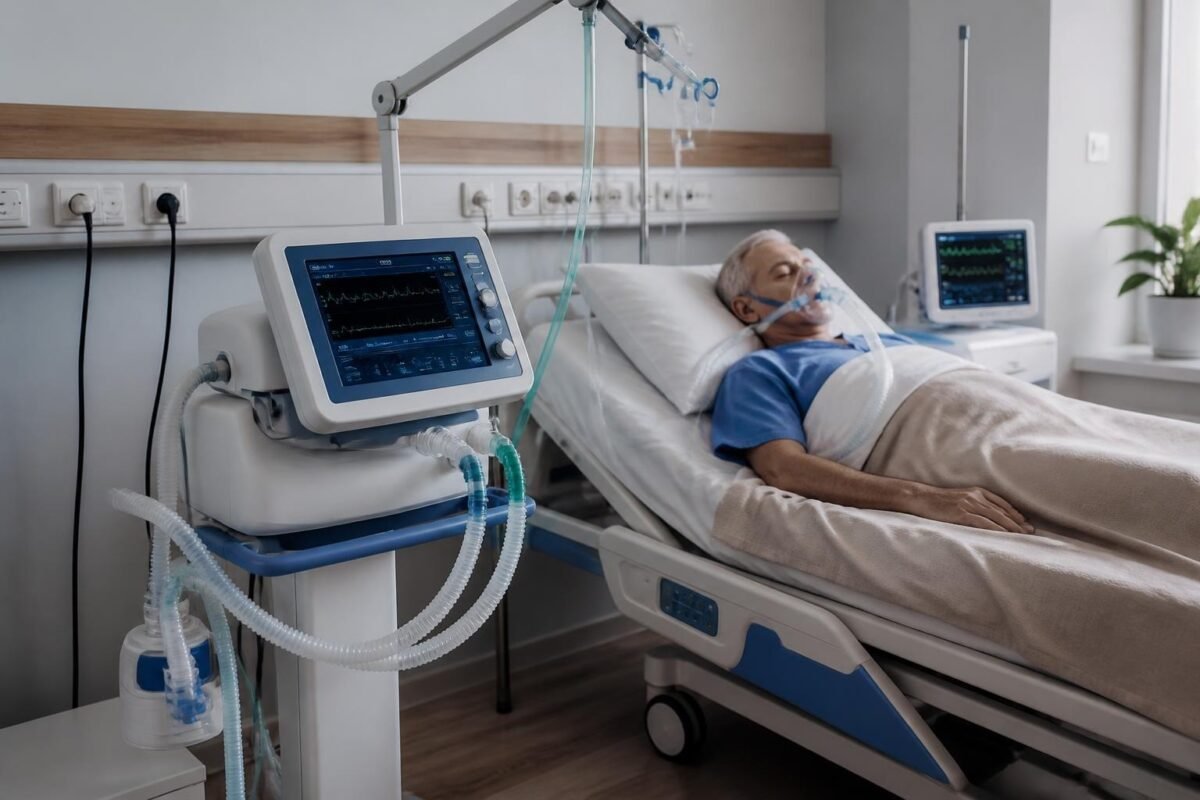
The healthcare landscape in 2026 has undergone remarkable transformation through the advancement of biomedical devices, which now serve as the cornerstone of both clinical and home-based medical care. These sophisticated instruments extend far beyond traditional hospital settings, enabling patients across the Delhi NCR region and throughout India to receive professional-grade treatment in the comfort of their homes. From respiratory support systems to advanced monitoring equipment, biomedical devices have become essential tools that bridge the gap between medical facilities and domestic care environments, making quality healthcare more accessible than ever before.
Understanding Biomedical Devices in Modern Healthcare
Biomedical devices represent a broad category of instruments, apparatus, machines, and implants used to diagnose, prevent, monitor, or treat medical conditions. According to the World Health Organization’s medical device standards, these devices play a critical role in delivering safe, effective healthcare across all settings. The scope of biomedical devices encompasses everything from simple thermometers to complex ventilators, each designed to address specific medical needs with precision and reliability.
The term "biomedical devices" specifically refers to equipment that interfaces directly or indirectly with biological systems to achieve therapeutic or diagnostic outcomes. These instruments have evolved significantly over the past decade, incorporating smart technology, wireless connectivity, and artificial intelligence to enhance their functionality. Modern biomedical devices now feature real-time data monitoring, cloud-based health records, and automated adjustment capabilities that respond to patient needs without constant manual intervention.
Classification and Categories
Biomedical devices are typically classified based on their intended use, risk level, and complexity of operation. Diagnostic devices help identify medical conditions through measurements and analysis, while therapeutic devices actively treat diseases or symptoms. Monitoring devices track vital signs and physiological parameters over extended periods, providing healthcare professionals with valuable trend data for treatment optimization.
The classification system extends to three primary risk categories:
- Low-risk devices: Basic equipment like thermometers, blood pressure monitors, and pulse oximeters
- Moderate-risk devices: Equipment requiring calibration and professional guidance, including nebulizers and CPAP machines
- High-risk devices: Life-sustaining or life-supporting equipment such as ventilators, BIPAP machines, and oxygen concentrators
Respiratory Support Systems as Essential Biomedical Devices
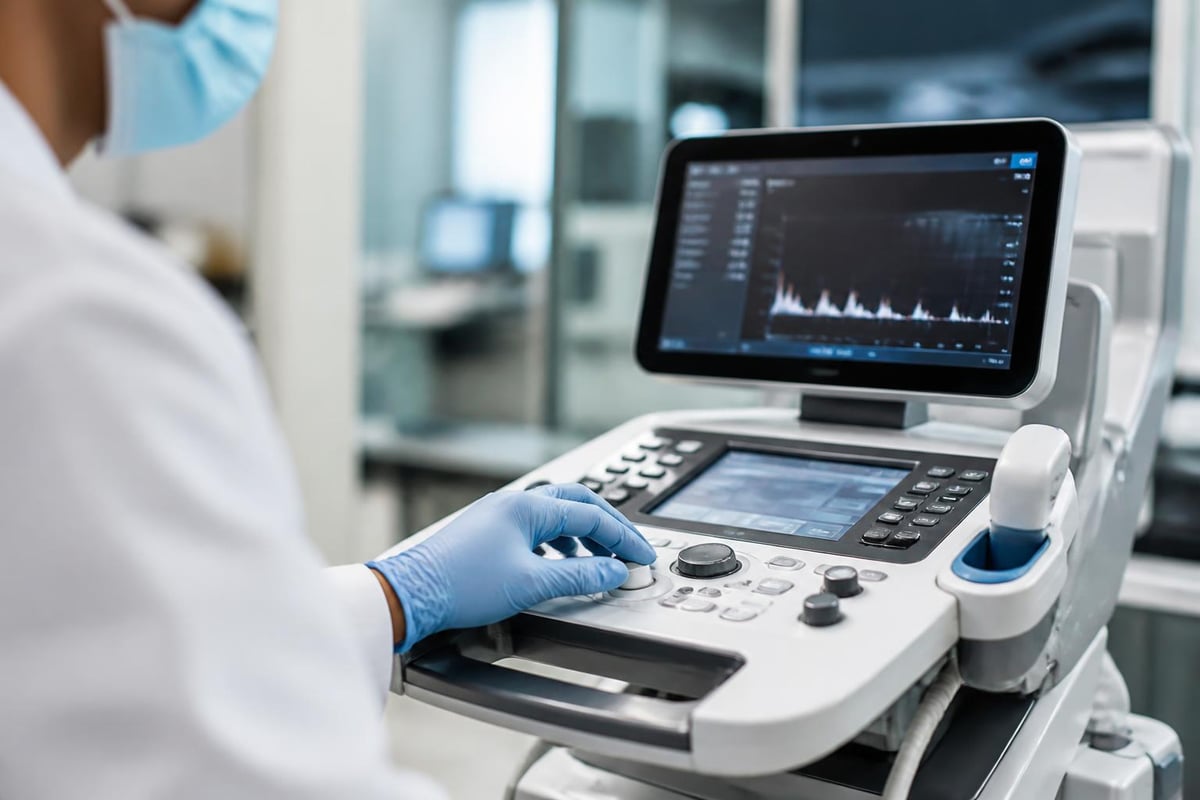
Respiratory support represents one of the most critical applications of biomedical devices in contemporary healthcare. These systems address conditions ranging from sleep apnea to chronic obstructive pulmonary disease (COPD), serving millions of patients who require breathing assistance. The sophistication of modern respiratory biomedical devices allows for personalized therapy that adapts to individual breathing patterns and physiological responses.
CPAP and BIPAP Technologies
Continuous Positive Airway Pressure (CPAP) and Bilevel Positive Airway Pressure (BIPAP) machines exemplify advanced biomedical devices designed for sleep-related breathing disorders. CPAP systems deliver a constant stream of pressurized air to maintain open airways during sleep, preventing the dangerous breathing interruptions characteristic of obstructive sleep apnea. These devices have become increasingly compact and quiet, incorporating heated humidification and auto-adjusting pressure algorithms that enhance patient comfort and compliance.
BIPAP devices represent a more sophisticated category of biomedical devices, offering two distinct pressure levels for inhalation and exhalation. This dual-pressure approach makes BIPAP therapy particularly effective for patients with more complex respiratory needs, including those with COPD, neuromuscular disorders, or obesity hypoventilation syndrome. The biomedical engineering principles underlying these devices ensure precise pressure delivery synchronized with the patient's natural breathing cycle.
Key features of modern respiratory biomedical devices include:
- Automatic pressure adjustment based on real-time airflow monitoring
- Integrated data recording for therapy compliance tracking
- Smartphone connectivity for remote monitoring and adjustment
- Advanced humidification systems preventing airway dryness
- Whisper-quiet operation suitable for bedroom environments
Oxygen Concentration Systems
Oxygen concentrators stand among the most transformative biomedical devices for patients requiring supplemental oxygen therapy. Unlike traditional oxygen tanks, concentrators extract oxygen from ambient air and deliver it at therapeutic concentrations, eliminating the need for frequent refills or deliveries. Modern portable oxygen concentrators have revolutionized patient mobility, allowing individuals to maintain active lifestyles while receiving necessary oxygen support.
These biomedical devices employ molecular sieve technology or membrane separation to concentrate oxygen from atmospheric air, typically delivering purities between 87% and 95%. Stationary concentrators serve home-based patients requiring continuous oxygen therapy, while portable units provide freedom of movement for those needing oxygen on demand. The evolution of battery technology has extended portable concentrator runtime to eight hours or more, supporting full-day activities without recharging.
| Concentrator Type | Flow Rate | Power Source | Typical Applications |
|---|---|---|---|
| Stationary | 5-10 LPM | AC Power | Home continuous therapy |
| Portable Continuous | 1-3 LPM | Battery/AC | Mobile continuous therapy |
| Portable Pulse | Up to 6 settings | Battery/AC | Active lifestyle support |
| High-Flow | 10+ LPM | AC Power | Severe respiratory conditions |
Selection Criteria for Home Care Biomedical Devices
Choosing appropriate biomedical devices for home care requires careful consideration of multiple factors that impact both therapeutic effectiveness and patient quality of life. The decision-making process should balance medical requirements, lifestyle considerations, technical specifications, and budget constraints. Understanding medical device terminology helps patients and caregivers navigate product specifications and make informed choices aligned with their specific needs.
Medical Requirements and Prescriptions
The foundation of biomedical device selection begins with accurate medical diagnosis and professional prescription. Respiratory support devices, in particular, require precise parameter specifications determined through sleep studies, pulmonary function tests, or blood gas analysis. A prescription for CPAP therapy will specify required pressure settings, while oxygen therapy prescriptions detail flow rates and usage duration necessary for adequate oxygenation.
Working with qualified healthcare providers ensures that selected biomedical devices meet therapeutic needs without over-engineering or under-delivering on critical functions. Pulmonologists specialize in respiratory conditions and provide expert guidance on ventilator and oxygen concentrator specifications, while sleep specialists determine optimal parameters for CPAP and BIPAP therapy. These professionals also establish baseline measurements against which therapy effectiveness can be evaluated over time.
Technical Features and Specifications
Modern biomedical devices incorporate numerous technical features that enhance usability, effectiveness, and patient comfort. When evaluating options from comprehensive medical equipment suppliers, consider how specific features address individual needs and preferences. Data connectivity enables remote monitoring by healthcare providers, facilitating timely intervention when therapy parameters require adjustment. Automatic adjustment capabilities allow devices to respond dynamically to changing physiological conditions, optimizing therapy delivery throughout the night or day.
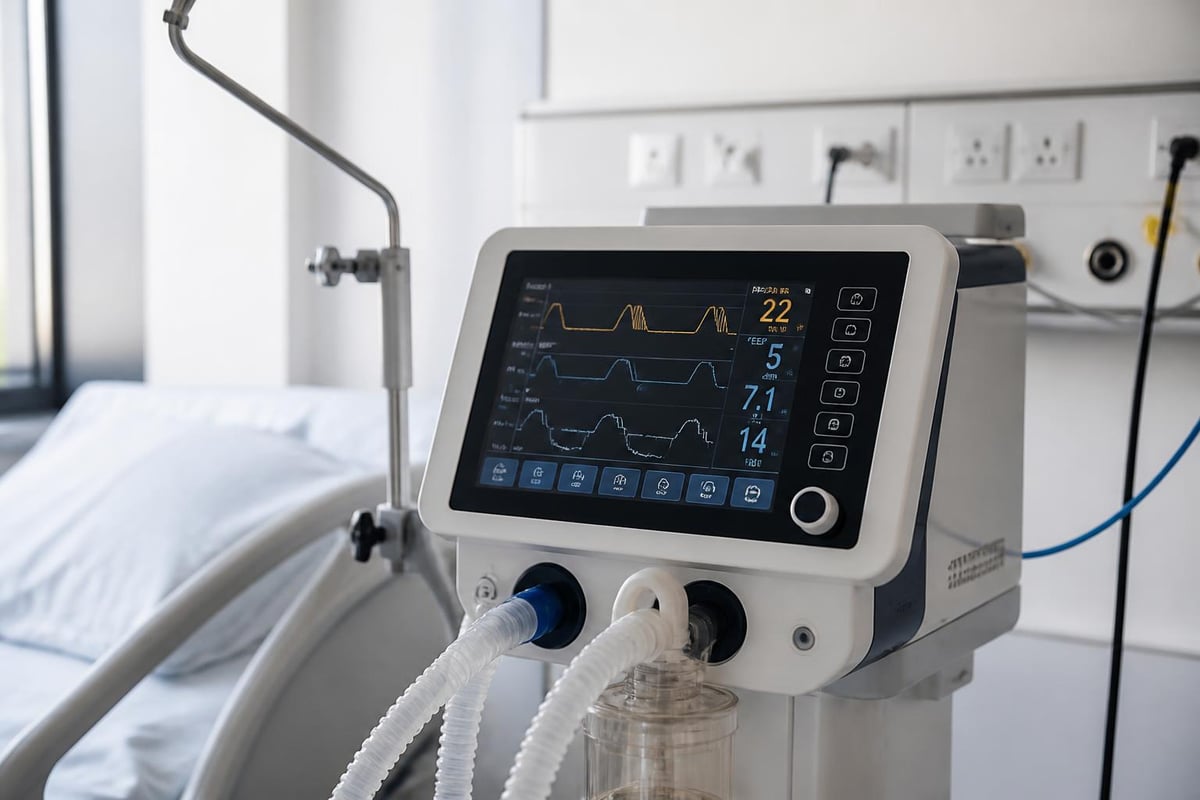
Battery backup systems represent critical safety features in biomedical devices supporting life-sustaining functions. Power interruptions can pose serious risks for patients dependent on continuous oxygen therapy or ventilatory support, making uninterruptible power supply integration essential. Similarly, alarm systems that alert users to equipment malfunction, low battery status, or parameter deviations provide additional safety layers protecting vulnerable patients.
- Evaluate pressure range and adjustment precision for respiratory support devices
- Assess noise levels to ensure sleep quality or daytime comfort
- Review humidification capabilities preventing airway dryness
- Verify data storage and connectivity options for therapy monitoring
- Confirm warranty coverage and service availability in your region
- Test mask or interface comfort before committing to purchase
- Calculate total cost of ownership including consumables and maintenance
Regulatory Standards and Quality Assurance
Biomedical devices operate under stringent regulatory frameworks designed to ensure patient safety, device efficacy, and manufacturing quality. In India, the Central Drugs Standard Control Organization (CDSCO) oversees medical device regulation, implementing standards aligned with international guidelines. Understanding these regulatory requirements helps patients identify legitimate, quality-assured biomedical devices that meet established safety benchmarks.
International and National Standards
The Medical Technology Assessment Directory provides comprehensive information on organizations and resources dedicated to evaluating biomedical devices. Manufacturers of quality biomedical devices obtain certifications from recognized bodies demonstrating compliance with ISO 13485 quality management standards, ISO 14971 risk management protocols, and specific performance standards relevant to their device categories. These certifications indicate that devices have undergone rigorous testing and quality control processes throughout their development and manufacturing cycles.
Key regulatory considerations include:
- CE marking for European market compliance
- FDA clearance or approval for U.S. market distribution
- CDSCO registration for Indian market sale
- ISO certification for quality management systems
- IEC standards for electrical safety and electromagnetic compatibility
Maintenance and Calibration Requirements
Biomedical devices require regular maintenance to sustain optimal performance and extend operational lifespan. Respiratory support systems need filter replacement at specified intervals, typically ranging from weekly to quarterly depending on usage intensity and environmental conditions. Disposable components such as tubing, masks, and humidifier chambers require replacement according to manufacturer guidelines, generally every three to six months for continuous-use equipment.
Professional calibration services ensure that biomedical devices deliver therapy at prescribed parameters with acceptable accuracy. Oxygen concentrators should undergo annual calibration to verify output concentration levels, while pressure-based respiratory devices benefit from periodic verification of delivered pressures against prescription requirements. Many suppliers, including those offering medical equipment products, provide maintenance contracts bundling routine service, consumable supplies, and emergency repairs into predictable monthly fees.
Home Healthcare Integration
The shift toward home-based healthcare has accelerated dramatically in recent years, driven by technological advancement in biomedical devices and increasing recognition of home care benefits. Patients recovering from surgery, managing chronic conditions, or requiring long-term respiratory support now access hospital-grade equipment in residential settings. This transition reduces healthcare costs, minimizes infection risks associated with facility-based care, and improves patient satisfaction by enabling treatment in familiar, comfortable environments.
Setting Up Home Medical Equipment
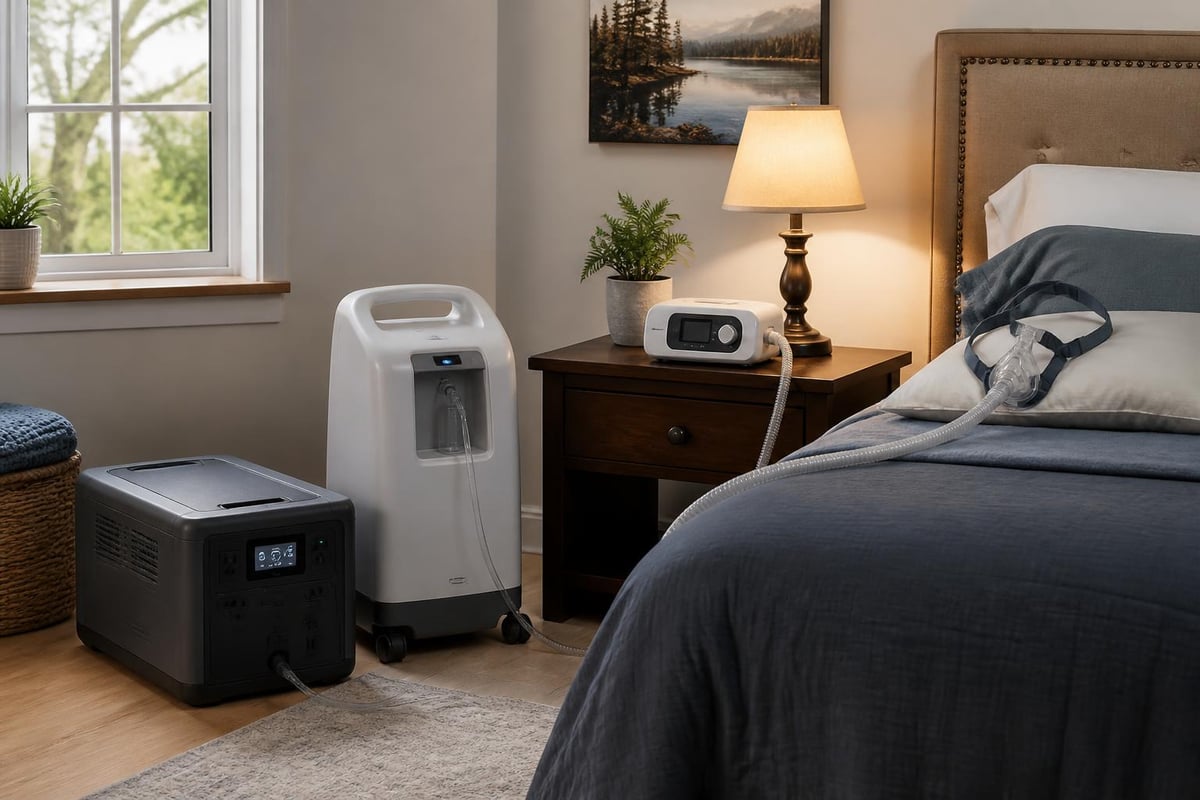
Establishing a home healthcare environment with biomedical devices requires thoughtful planning addressing space allocation, power requirements, and support infrastructure. Dedicated equipment spaces should provide adequate ventilation for oxygen concentrators and CPAP machines, maintain appropriate temperature ranges, and offer convenient access for daily use and maintenance. Electrical considerations include surge protection, dedicated circuits for high-power devices, and backup power solutions ensuring continuity during outages.
Professional setup services offered by medical equipment providers ensure proper device configuration, user training, and safety verification before patients begin independent operation. Technicians demonstrate correct assembly, explain maintenance procedures, review troubleshooting protocols, and confirm that prescribed parameters are accurately programmed into biomedical devices. This initial training establishes competence and confidence, reducing anxiety associated with managing sophisticated medical equipment at home.
| Setup Consideration | Oxygen Concentrators | CPAP/BIPAP Machines | Ventilators |
|---|---|---|---|
| Space Requirements | 12-18 inches clearance | Bedside table space | Dedicated stand/table |
| Power Needs | 300-600 watts | 50-100 watts | 100-400 watts |
| Noise Level | 40-50 dB | 25-30 dB | 30-40 dB |
| Ambient Temperature | 50-90°F | 40-95°F | 50-95°F |
| Humidity Tolerance | 15-95% RH | 15-95% RH | 10-95% RH |
Training and Support Systems
Effective utilization of biomedical devices depends on comprehensive user education addressing operational procedures, maintenance requirements, and emergency protocols. Training programs should accommodate different learning styles, offering hands-on practice, written materials, video demonstrations, and ongoing support resources. Caregiver involvement in training sessions ensures multiple household members can operate equipment and respond appropriately to alarms or malfunctions when primary users need assistance.
Remote support capabilities integrated into modern biomedical devices enable troubleshooting without on-site visits, reducing downtime and maintaining therapy continuity. Manufacturers and suppliers increasingly offer telehealth support connecting users with respiratory therapists, biomedical technicians, and customer service specialists through video calls, chat interfaces, or dedicated support applications. These virtual resources complement traditional phone support, allowing visual confirmation of setup issues and guided problem resolution.
Rental Versus Purchase Decisions
Financial considerations significantly influence biomedical device acquisition strategies, particularly for equipment representing substantial capital investments. The rental-versus-purchase decision depends on multiple factors including anticipated usage duration, financial resources, insurance coverage, and upgrade frequency preferences. Both options offer distinct advantages aligned with different patient circumstances and healthcare trajectories.
Rental Programs for Biomedical Devices
Equipment rental provides immediate access to biomedical devices without large upfront expenditures, making advanced respiratory support accessible to patients with limited capital or uncertain long-term needs. Trial periods through rental arrangements allow patients to evaluate device suitability, comfort, and effectiveness before committing to purchase, reducing the risk of investing in equipment that doesn't meet expectations. Insurance policies frequently cover rental costs for prescribed medical equipment, sometimes extending coverage for extended durations or indefinitely for chronic conditions.
Rental agreements typically include maintenance services, consumable supplies, and equipment replacement if devices malfunction, transferring operational risks from patients to suppliers. This comprehensive service model particularly benefits elderly patients, those with limited technical aptitude, or individuals preferring predictable monthly expenses over managing maintenance schedules and unexpected repair costs. Exploring rental options through established providers reveals diverse programs tailored to different medical conditions and financial circumstances.
Purchase Considerations and Ownership Benefits
Purchasing biomedical devices makes economic sense for patients requiring long-term therapy where cumulative rental costs exceed purchase prices within reasonable timeframes. Ownership provides unlimited usage without monthly fees, particularly valuable for oxygen concentrators or CPAP machines supporting chronic conditions requiring years or decades of continuous therapy. Purchased equipment offers flexibility in choosing replacement schedules for consumables, selecting preferred brands for accessories, and customizing configurations beyond standard rental specifications.
Depreciation and technological advancement represent considerations balancing purchase decisions. Biomedical devices typically function reliably for five to seven years with proper maintenance, though newer models may offer enhanced features improving therapy outcomes or user experience. Trade-in programs offered by some manufacturers mitigate obsolescence concerns, allowing equipment upgrades at reduced costs when advancing technology delivers meaningful clinical benefits.
Financial comparison factors:
- Calculate break-even point where total rental costs equal purchase price
- Evaluate insurance coverage differences between rental and purchase
- Consider tax deductions or credits for medical equipment purchases
- Factor maintenance costs into total ownership expenses
- Assess resale or trade-in value for purchased equipment
Emerging Technologies in Biomedical Devices
The biomedical device industry continues evolving rapidly, incorporating artificial intelligence, advanced sensors, and connectivity features that transform traditional equipment into sophisticated health management platforms. These innovations enhance diagnostic accuracy, personalize therapy delivery, and enable proactive healthcare interventions preventing complications before they escalate into serious medical events. Understanding emerging trends helps patients and healthcare providers anticipate future capabilities and plan for technology adoption that improves outcomes.
Artificial Intelligence and Machine Learning
AI-powered biomedical devices analyze complex data patterns identifying subtle physiological changes that human observation might miss. Predictive algorithms in respiratory support systems detect early signs of therapy intolerance, disease progression, or equipment malfunction, triggering alerts prompting clinical review before patient health deteriorates. Machine learning models trained on millions of patient-nights optimize CPAP and BIPAP pressure algorithms, achieving better apnea control with lower average pressures that improve comfort and compliance.
Smart oxygen concentrators now adjust output based on activity levels detected through integrated accelerometers and heart rate sensors, delivering higher flows during exertion and conserving battery during rest periods. This intelligent flow management extends portable concentrator runtime while maintaining adequate oxygenation across varying activity intensities. Similar adaptive technologies in ventilators synchronize more precisely with patient respiratory efforts, reducing work of breathing and improving comfort for individuals dependent on mechanical ventilation.
Connectivity and Remote Monitoring
Cloud-connected biomedical devices transmit therapy data to healthcare providers enabling remote patient monitoring that identifies issues requiring intervention without routine office visits. Telehealth integration allows pulmonologists to review CPAP usage patterns, oxygen saturation trends, and ventilator performance metrics from their offices, adjusting therapy parameters remotely when data indicates suboptimal outcomes. This continuous monitoring model improves clinical outcomes while reducing healthcare costs associated with frequent in-person appointments.
Patient engagement applications connected to biomedical devices provide usage feedback, therapy progress tracking, and educational content supporting treatment adherence. Gamification elements in some applications reward consistent equipment use with achievement badges, progress milestones, and comparative analytics motivating behavioral changes that improve health outcomes. These digital tools transform passive medical equipment into interactive health management systems actively engaging patients in their care processes.
According to research from Penn State University’s biomedical engineering resources, connected medical devices represent the fastest-growing segment in medical technology, with adoption rates accelerating across both clinical and home care environments. This trend reflects increasing recognition that continuous data collection provides superior insights compared to periodic clinical assessments capturing only momentary snapshots of patient status.
Future Directions in Biomedical Device Development
The trajectory of biomedical device innovation points toward increasingly personalized, minimally invasive, and intelligently automated systems addressing unmet medical needs. Miniaturization continues advancing, with portable oxygen concentrators approaching smartphone dimensions while maintaining therapeutic flow rates previously requiring desktop-sized equipment. Similarly, CPAP and BIPAP machines incorporate smaller motors, quieter blowers, and more compact humidification systems without compromising therapy effectiveness.
Biocompatible materials and surface technologies reduce infection risks and improve patient tolerance for devices interfacing directly with respiratory passages or skin surfaces. Antimicrobial coatings on tubing and masks inhibit bacterial growth, while hypoallergenic materials minimize skin reactions for patients requiring extended equipment contact. These material science advances particularly benefit patients requiring long-term biomedical device support where infection prevention and comfort significantly impact quality of life.
Sustainability initiatives influence biomedical device design through recyclable components, reduced power consumption, and extended product lifespans minimizing environmental impact. Manufacturers increasingly adopt circular economy principles, designing equipment for component replacement rather than complete disposal when specific elements reach end-of-life. This approach reduces waste while maintaining the high-performance standards essential for medical applications where reliability directly impacts patient safety.
The integration of biomedical devices with comprehensive health ecosystems connects respiratory equipment, wearable sensors, electronic health records, and clinical decision support systems into unified platforms providing holistic patient management. This systems-level approach enables earlier disease detection, more precise treatment titration, and better coordination across multiple healthcare providers managing complex patients with comorbid conditions requiring various therapeutic interventions.
Understanding biomedical devices and their applications empowers patients and caregivers to make informed decisions about respiratory support equipment that significantly impacts health outcomes and quality of life. Whether managing sleep apnea, COPD, or other respiratory conditions requiring therapeutic intervention, selecting appropriate equipment with proper training and support ensures optimal therapy effectiveness. RespiKart provides comprehensive medical equipment solutions throughout the Delhi NCR region, offering both rental and purchase options for CPAP machines, BIPAP devices, oxygen concentrators, and ventilators, along with professional setup assistance and ongoing support services that help patients successfully transition to home-based respiratory care.
Article written using RankPill.
