

Uncategorized
Patient Monitor Guide for Healthcare Facilities 2026
May
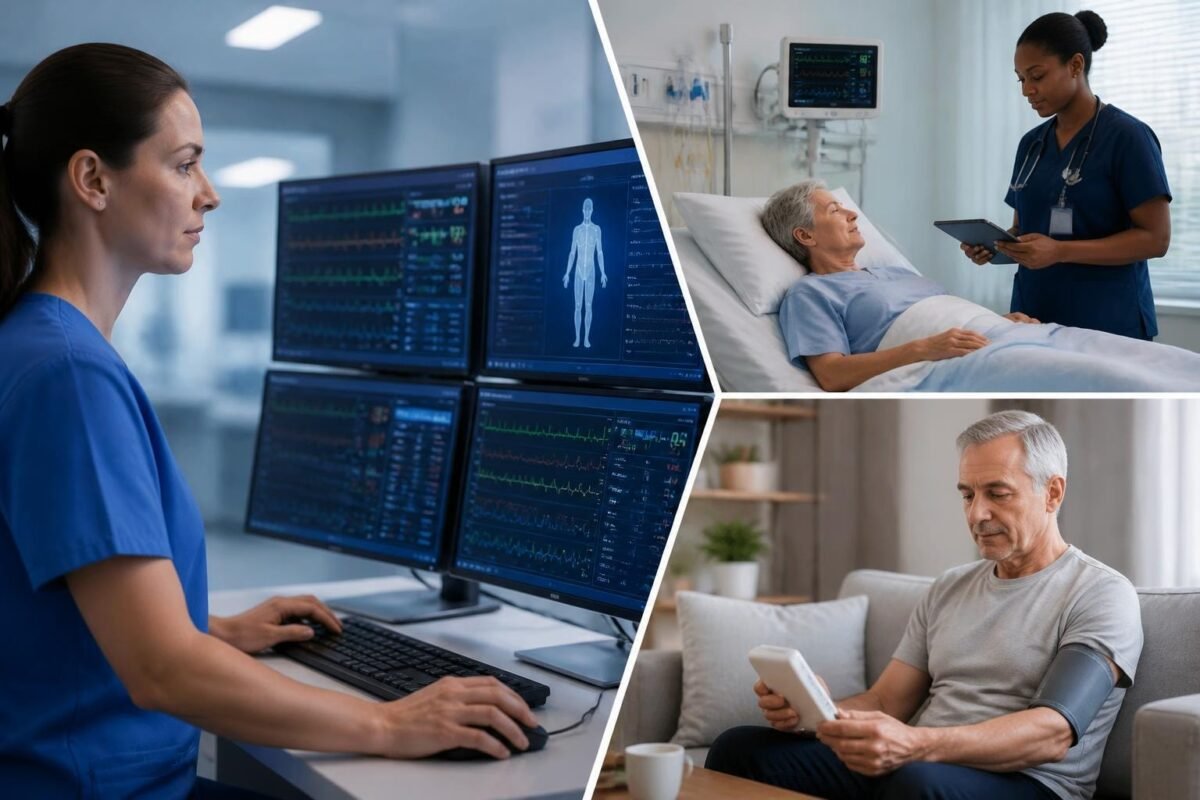
Medical facilities across India face increasing demands for reliable vital signs monitoring equipment that can serve diverse patient populations. From intensive care units to home healthcare environments, the right monitoring technology ensures continuous oversight of patient conditions while supporting clinical decision-making. Understanding the capabilities, configurations, and applications of modern monitoring systems helps healthcare administrators, clinical staff, and medical equipment providers make informed purchasing and rental decisions.
Understanding Patient Monitor Technology and Applications
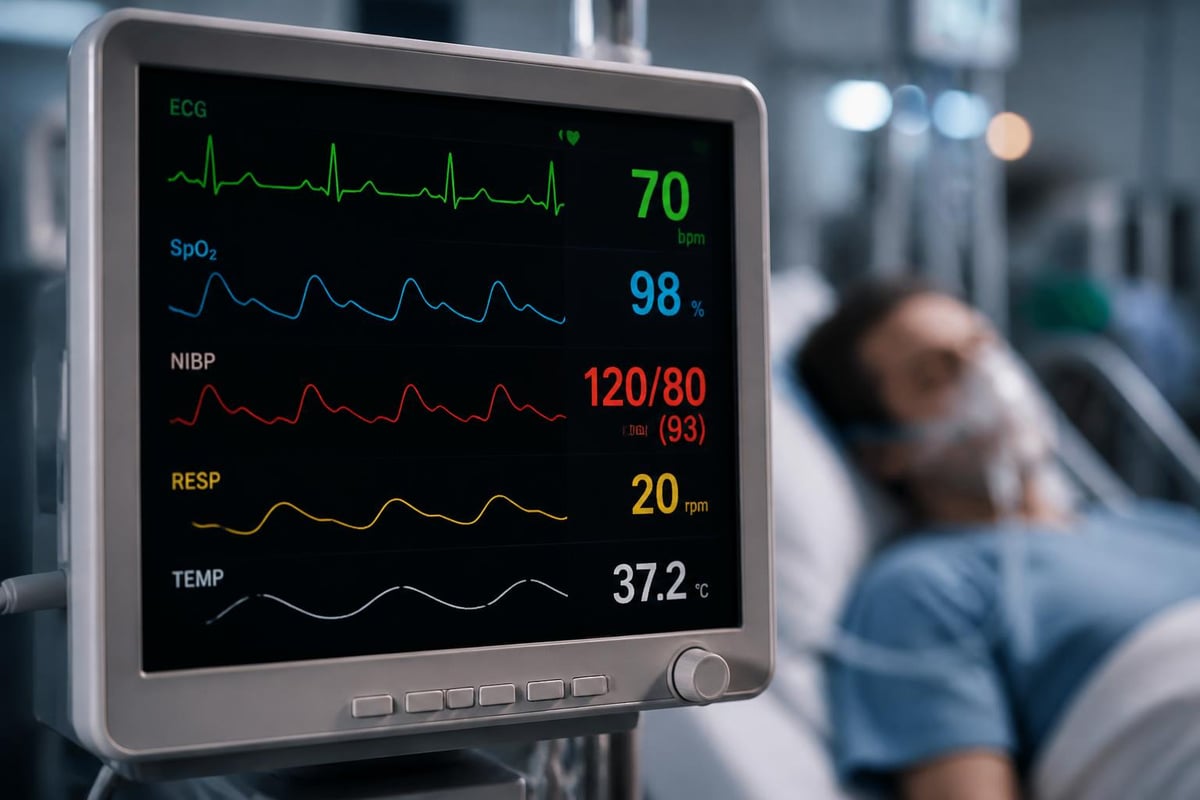
A patient monitor serves as the central nervous system of modern healthcare delivery, continuously tracking physiological parameters that indicate patient stability or deterioration. These sophisticated devices measure vital signs including heart rate, blood pressure, oxygen saturation, respiratory rate, and temperature, presenting this information through intuitive displays that enable rapid clinical response.
Healthcare facilities deploy monitoring equipment across multiple care environments. Critical care units require advanced multiparameter systems with comprehensive alarm management and trending capabilities. General wards benefit from portable monitors that balance functionality with ease of use. Home healthcare settings increasingly rely on simplified monitoring devices that patients or caregivers can operate independently.
Core Vital Signs Parameters
Modern monitoring systems track multiple physiological indicators simultaneously. Electrocardiography (ECG) provides continuous heart rhythm assessment, detecting arrhythmias and ischemic changes. Pulse oximetry measures arterial oxygen saturation non-invasively, critical for respiratory management. Non-invasive blood pressure monitoring uses oscillometric methods to track hemodynamic stability without arterial lines.
Respiratory rate monitoring employs impedance pneumography or capnography to assess ventilation adequacy. Temperature measurement through various probe types identifies fever, hypothermia, or thermal regulation issues. Advanced systems add parameters like invasive pressure monitoring, cardiac output measurement, and end-tidal CO2 detection.
The multiparameter patient monitoring market continues expanding as healthcare facilities recognize the value of integrated monitoring platforms that reduce equipment clutter while improving data correlation across parameters.
Types of Patient Monitors for Different Healthcare Settings
Healthcare facilities require different monitoring capabilities based on patient acuity, care environment, and clinical workflows. Selecting appropriate equipment ensures optimal resource utilization while meeting regulatory standards and clinical requirements.
Critical Care and ICU Monitors
Intensive care environments demand the most sophisticated monitoring platforms available. These systems integrate 8-12 parameter channels, advanced waveform analysis, comprehensive trending databases, and bidirectional communication with hospital information systems.
| Feature | Basic ICU Monitor | Advanced ICU Monitor | Transport Monitor |
|---|---|---|---|
| Parameters | 5-6 vital signs | 8-12+ vital signs | 3-5 vital signs |
| Display Size | 12-15 inches | 17-21 inches | 8-10 inches |
| Battery Life | 2 hours | 3-4 hours | 4-6 hours |
| Invasive Monitoring | Limited | Full capability | Basic |
| Network Integration | Basic | Advanced HL7/FHIR | Wireless only |
Critical care monitors support invasive arterial pressure monitoring, central venous pressure measurement, pulmonary artery catheter integration, and advanced cardiac output technologies. These capabilities prove essential when managing hemodynamically unstable patients requiring continuous adjustment of vasoactive medications and fluid therapy.
General Ward and Step-Down Monitors
Medical-surgical units and progressive care environments benefit from monitors that balance capability with simplicity. These devices typically track 5-7 parameters, offer straightforward alarm configuration, and provide mobility for patient transport within the facility.
Wireless telemetry systems enable continuous monitoring while allowing patient ambulation, particularly valuable in cardiac step-down units where patients transition from intensive observation to independent mobility. Centralized monitoring stations aggregate data from multiple bedside units, allowing nursing staff to oversee entire units efficiently.
Home Healthcare Monitoring Solutions
The expansion of home-based care drives demand for simplified monitoring equipment that patients and family caregivers can operate effectively. These devices prioritize user-friendly interfaces, automated data transmission, and fail-safe alarm systems that notify healthcare providers of concerning trends.
Home monitoring typically focuses on pulse oximetry, heart rate, and blood pressure measurement. Patients with chronic respiratory conditions benefit from remote monitoring capabilities that integrate with oxygen concentrators and ventilators, enabling proactive intervention before acute decompensation occurs.
Essential Features and Specifications for Equipment Selection
Choosing appropriate monitoring equipment requires careful evaluation of technical specifications, clinical features, and operational characteristics that impact daily use and long-term value.
Display and User Interface Considerations
Screen size and resolution directly affect clinical usability. Displays ranging from 12 to 21 inches accommodate different viewing distances and data density requirements. High-resolution color screens improve waveform clarity and parameter differentiation, particularly important in bright lighting conditions common in Indian healthcare facilities.
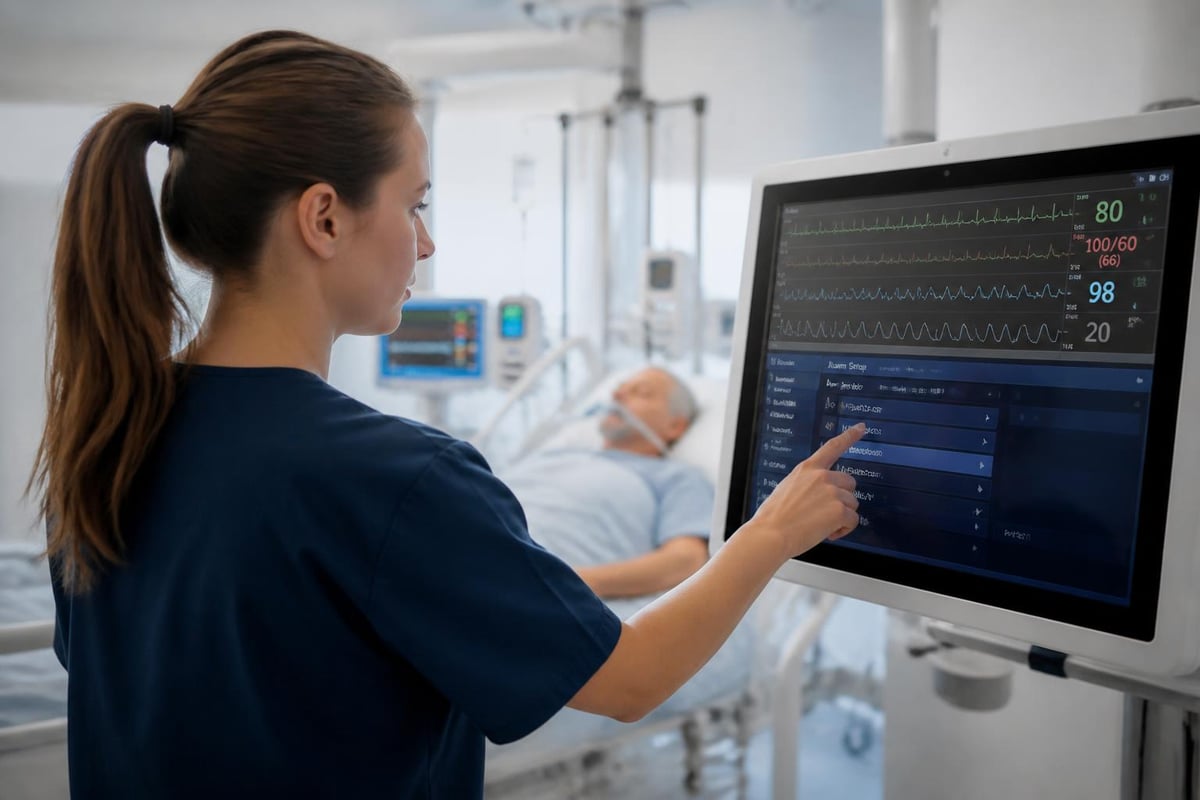
Touchscreen interfaces streamline parameter adjustment and alarm management, reducing the time required for staff training. Customizable screen layouts enable clinicians to prioritize the most relevant parameters for specific patient populations, whether monitoring post-operative recovery, cardiac conditions, or respiratory failure.
- Adjustable brightness compensates for varying ambient light conditions
- Multi-language support accommodates diverse clinical staff backgrounds
- Intuitive menu navigation reduces training time and operational errors
- Large numerical displays improve readability from bedside distances
Alarm Management and Patient Safety
Effective alarm systems balance sensitivity with specificity, alerting clinicians to genuine clinical deterioration while minimizing false alarms that contribute to alarm fatigue. Modern patient monitor platforms incorporate smart alarm algorithms that analyze parameter trends rather than isolated threshold violations.
Critical care monitoring research emphasizes the importance of customizable alarm limits, multi-level escalation protocols, and integration with nurse call systems to ensure appropriate clinical response. Facilities should evaluate alarm delay settings, automatic alarm reset features, and remote notification capabilities when selecting equipment.
Connectivity and Data Integration
Modern healthcare delivery requires seamless information flow between monitoring devices, electronic health records, and clinical information systems. HL7 and FHIR protocol support enables automatic vital signs documentation, reducing manual charting errors and improving nursing workflow efficiency.
Wireless connectivity through secure hospital networks allows monitor relocation without data interruption or manual reconfiguration. Cloud-based data storage facilitates long-term trend analysis, quality improvement initiatives, and research applications while ensuring compliance with patient privacy regulations.
The integration of Industry 4.0 technologies in healthcare transforms monitoring from isolated bedside devices to comprehensive networked systems that support predictive analytics and population health management strategies.
Technical Specifications and Performance Standards
Healthcare facilities must verify that monitoring equipment meets international quality standards while providing the accuracy and reliability required for clinical decision-making. Understanding technical specifications ensures procurement decisions align with clinical requirements and regulatory compliance.
Accuracy and Measurement Standards
Each vital signs parameter requires specific measurement accuracy to support clinical interpretation. Blood pressure accuracy within ±3 mmHg for systolic and diastolic readings meets international standards for automated devices. Pulse oximetry accuracy of ±2% saturation in the 70-100% range ensures reliable respiratory assessment.
| Parameter | Accuracy Standard | Clinical Significance |
|---|---|---|
| Heart Rate | ±1-2 bpm | Arrhythmia detection |
| SpO2 | ±2% (70-100%) | Hypoxemia identification |
| NIBP | ±3 mmHg | Hemodynamic assessment |
| Temperature | ±0.1°C | Fever/hypothermia detection |
| Respiratory Rate | ±1 breath/min | Ventilation monitoring |
ECG monitoring requires adequate bandwidth (0.05-150 Hz diagnostic mode) to capture ST-segment changes indicating myocardial ischemia. Artifact rejection algorithms must distinguish genuine cardiac activity from motion, electrical interference, and other noise sources common in clinical environments.
Reliability and Maintenance Requirements
Patient monitor reliability directly impacts patient safety and operational efficiency. Mean time between failures (MTBF) exceeding 20,000 hours indicates robust hardware design and quality manufacturing. Modular architecture facilitates field-replaceable components, reducing downtime and maintenance costs.
Battery backup systems must provide sufficient runtime for intra-facility transport and temporary power interruptions. Lithium-ion battery technology offers 3-6 hour operation depending on the number of active parameters and display brightness settings. Quick-charge capabilities minimize equipment unavailability during shift changes and cleaning protocols.
Regular preventive maintenance ensures ongoing accuracy and safety compliance. Calibration verification, safety testing, and performance validation should occur according to manufacturer recommendations and local regulatory requirements, typically on annual or semi-annual schedules.
Purchasing and Rental Considerations for Healthcare Facilities
Medical equipment acquisition strategies balance upfront capital investment against operational flexibility and technological currency. Both purchase and rental models offer distinct advantages depending on facility needs, budget constraints, and strategic planning horizons.
Capital Purchase Benefits and Challenges
Outright equipment purchase provides long-term cost efficiency for facilities with stable patient volumes and established monitoring protocols. Capital acquisition eliminates recurring rental fees, offers complete asset control, and enables customization to specific clinical workflows.
However, capital purchases create several challenges. Technology obsolescence risks increase as monitoring capabilities advance rapidly. Large upfront investments strain capital budgets, particularly for facilities expanding services or opening new units. Maintenance responsibility and warranty management require dedicated biomedical engineering resources.
Facilities should calculate total cost of ownership including purchase price, annual maintenance contracts, consumables, staff training, and eventual replacement costs when evaluating capital acquisition strategies. Five to seven-year useful life expectations align with typical depreciation schedules and technology refresh cycles.
Rental and Leasing Advantages
Equipment rental through providers like RespiKart offers operational flexibility particularly valuable for temporary capacity expansion, pilot programs, or uncertain patient demand. Rental agreements typically include maintenance coverage, reducing operational complexity and surprise repair expenses.
Short-term rentals support seasonal demand fluctuations, pandemic surge capacity, or specific patient cases requiring advanced monitoring capabilities beyond routine facility needs. Long-term leasing arrangements provide predictable monthly expenses, facilitate budgeting, and may include technology upgrade provisions ensuring access to current monitoring platforms.
- Assess anticipated duration of monitoring equipment needs
- Compare total rental costs against purchase price and maintenance expenses
- Evaluate included services such as training, maintenance, and consumables
- Review contract terms regarding damage, loss, and early termination
- Verify equipment specifications meet clinical requirements and regulatory standards
Vendor Selection and Support Considerations
Choosing equipment suppliers requires evaluation beyond initial pricing. Technical support responsiveness, spare parts availability, and staff training quality significantly impact operational success. Vendors serving the Delhi NCR region should demonstrate local service capabilities, ideally with technicians available within 24 hours for urgent issues.

Comprehensive training programs ensure clinical and technical staff can operate equipment effectively and troubleshoot common issues. Training should include hands-on practice with alarm configuration, parameter setup, and routine maintenance tasks appropriate to user roles. Documentation quality, including user manuals and quick-reference guides in local languages, supports ongoing competency.
Integration with Respiratory Support Equipment
Medical facilities frequently coordinate patient monitor use with respiratory support devices including oxygen concentrators, CPAP systems, BIPAP machines, and ventilators. This integration proves particularly important for patients with chronic obstructive pulmonary disease, sleep apnea, and acute respiratory failure.
Monitoring During Non-Invasive Ventilation
CPAP and BIPAP therapy require continuous monitoring to verify treatment effectiveness and identify complications. Pulse oximetry tracking confirms adequate oxygenation during positive airway pressure delivery. Respiratory rate monitoring detects apnea events and ventilator asynchrony that compromise therapy outcomes.
Blood pressure surveillance identifies cardiovascular responses to positive pressure ventilation, particularly important when initiating therapy in patients with heart failure or hypertension. Integration between monitoring systems and ventilators enables synchronized alarm management, preventing conflicting alerts that confuse clinical staff.
Home CPAP users benefit from simplified monitoring solutions that track compliance, leak rates, and efficacy indices automatically transmitted to providers for remote oversight. These monitoring capabilities support insurance documentation requirements while enabling early intervention when therapy becomes ineffective.
Oxygen Therapy Monitoring Requirements
Patients receiving supplemental oxygen through concentrators or cylinder systems require monitoring to prevent both hypoxemia and hyperoxia. Continuous pulse oximetry guides oxygen flow rate adjustments, particularly important for COPD patients at risk of carbon dioxide retention with excessive oxygen delivery.
The global patient monitors market reflects growing demand for integrated respiratory monitoring as chronic disease prevalence increases worldwide. Facilities serving respiratory patient populations should prioritize monitors with reliable pulse oximetry performance across varied perfusion states and skin tones.
Future Directions in Patient Monitoring Technology
Healthcare technology evolution continues reshaping patient monitoring through artificial intelligence integration, miniaturization, wearable sensors, and predictive analytics capabilities. Understanding emerging trends helps facilities plan equipment investments that remain relevant as clinical practice advances.
Artificial Intelligence and Predictive Analytics
Machine learning algorithms analyze monitoring data patterns to predict clinical deterioration before traditional alarm thresholds trigger. Early warning systems identify subtle vital signs trends indicating sepsis onset, respiratory failure progression, or hemodynamic instability hours before conventional monitoring alerts.
AI applications in remote monitoring enable automated triage, reducing the clinical workload required to oversee large patient populations. Predictive models personalize alarm thresholds based on individual patient baselines rather than universal population standards, potentially reducing false alarm rates while improving sensitivity for genuine emergencies.
Wearable and Wireless Monitoring Solutions
Miniaturized sensors enable continuous monitoring during normal activities rather than restricting patients to bedside locations. Wireless patches measure ECG, respiratory rate, and temperature without limiting mobility. These systems prove particularly valuable in step-down units where early ambulation accelerates recovery but requires ongoing vital signs oversight.
Remote monitoring platforms extend hospital-quality surveillance into home environments, supporting chronic disease management and post-discharge follow-up. Automated data transmission enables clinician review without requiring patients to operate complex equipment or manually record measurements.
Selecting appropriate vital signs monitoring equipment requires careful evaluation of clinical requirements, technical specifications, and operational considerations specific to each healthcare environment. Whether deploying advanced systems in intensive care units or implementing simplified monitoring for home healthcare, matching device capabilities to patient needs ensures optimal outcomes while maximizing resource efficiency. For healthcare facilities and home care providers in the Delhi NCR region seeking reliable monitoring equipment with flexible purchase or rental options, RespiKart offers comprehensive solutions including patient monitors alongside respiratory support devices and professional guidance to ensure successful implementation.
Article written using RankPill.
