

BiPAP Machines, BMC Products, Elderly Care, Home Healthcare, Mobility & Comfort Aids, Non-Invasive Ventilation, Respiratory Equipment
BMC RESmart GII Y25T BiPAP Machine: Price, Features and Who It’s For
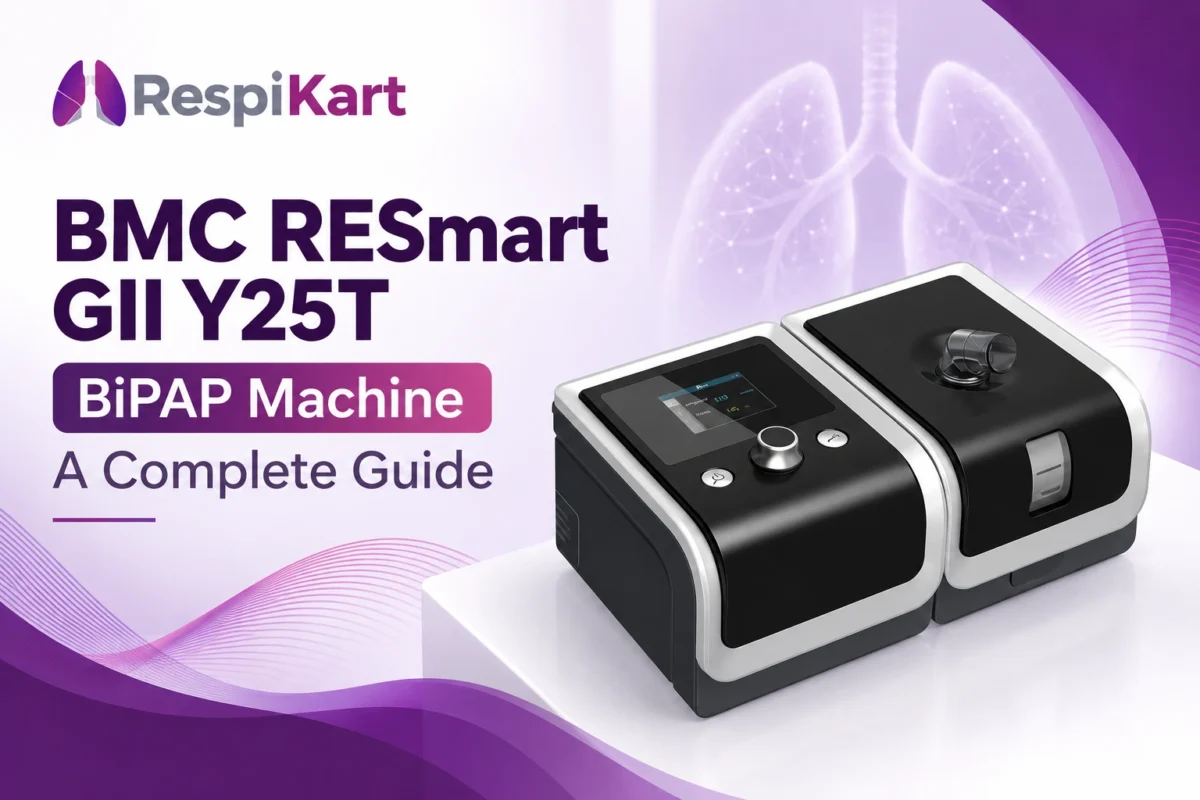
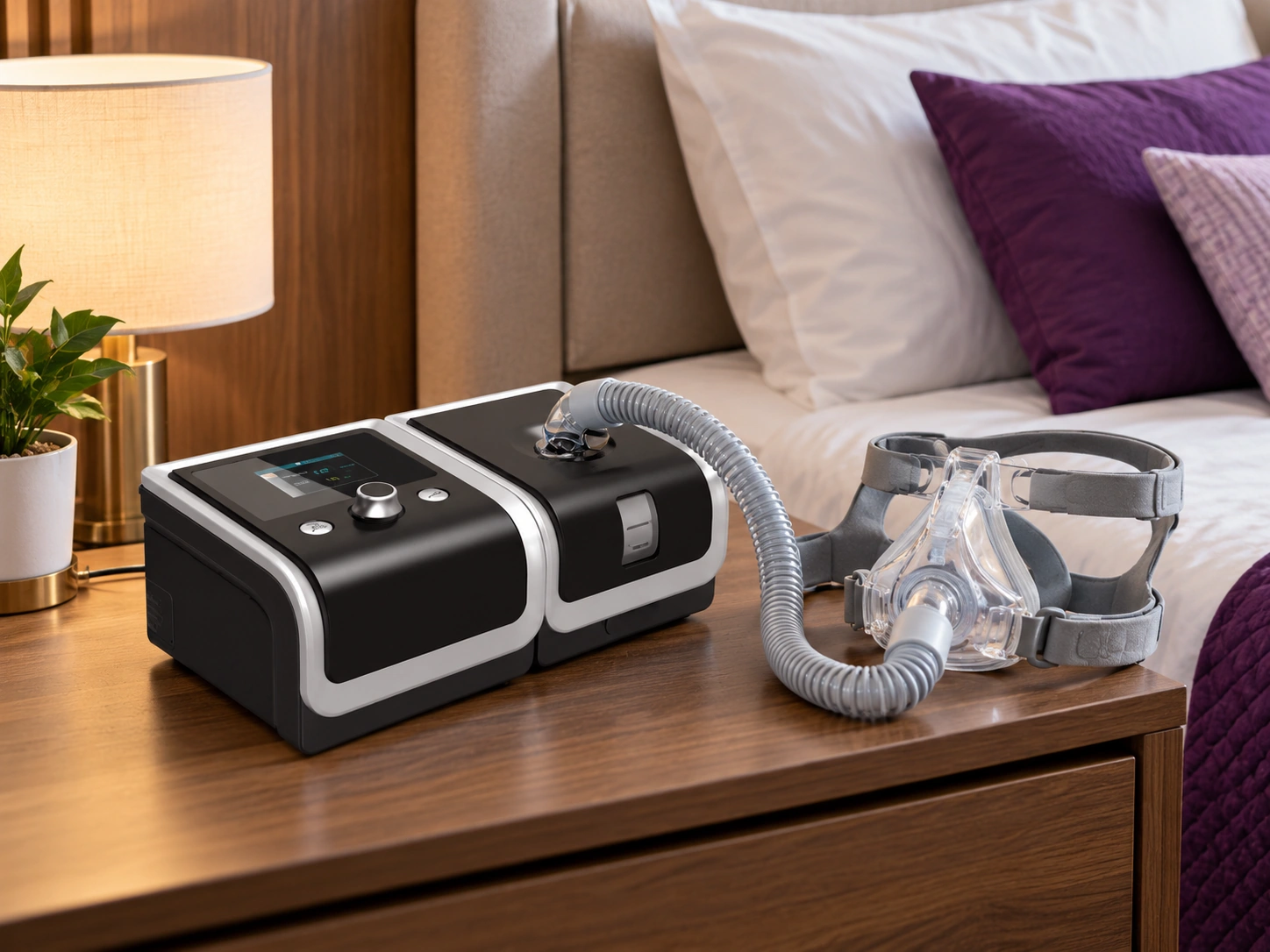
BMC RESmart GII Y25T BiPAP Machine
A practical guide to bilevel therapy, IPAP & EPAP, operating modes, Target Tidal Volume, comfort features, clinical use, setup and important buying considerations.
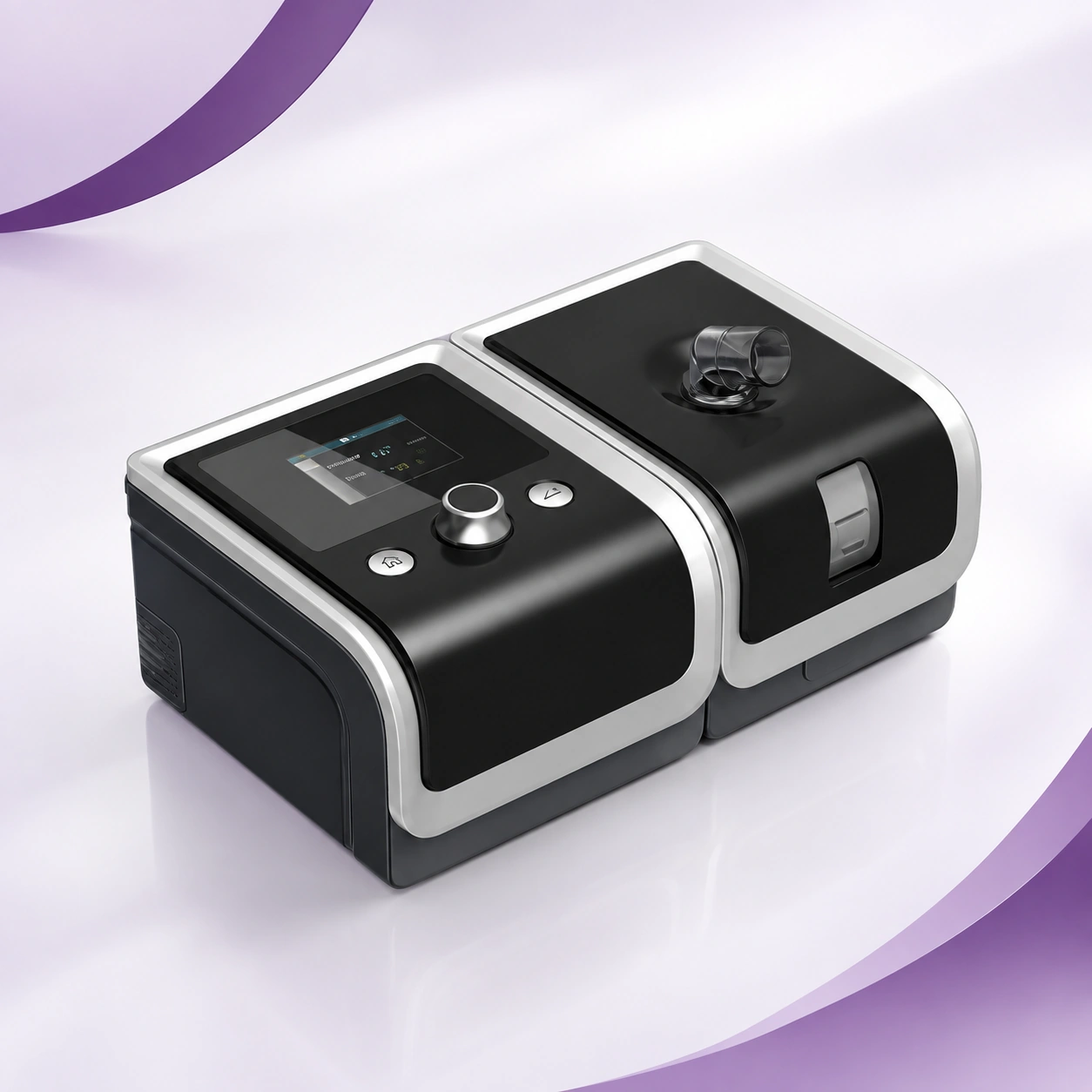
The supplied product article lists the BMC RESmart GII Y25T at ₹28,999 with a two-year manufacturer warranty and specialist support across Delhi NCR. This guide expands the product information into a practical, easy-to-read resource for patients, caregivers and buyers researching advanced bilevel therapy.
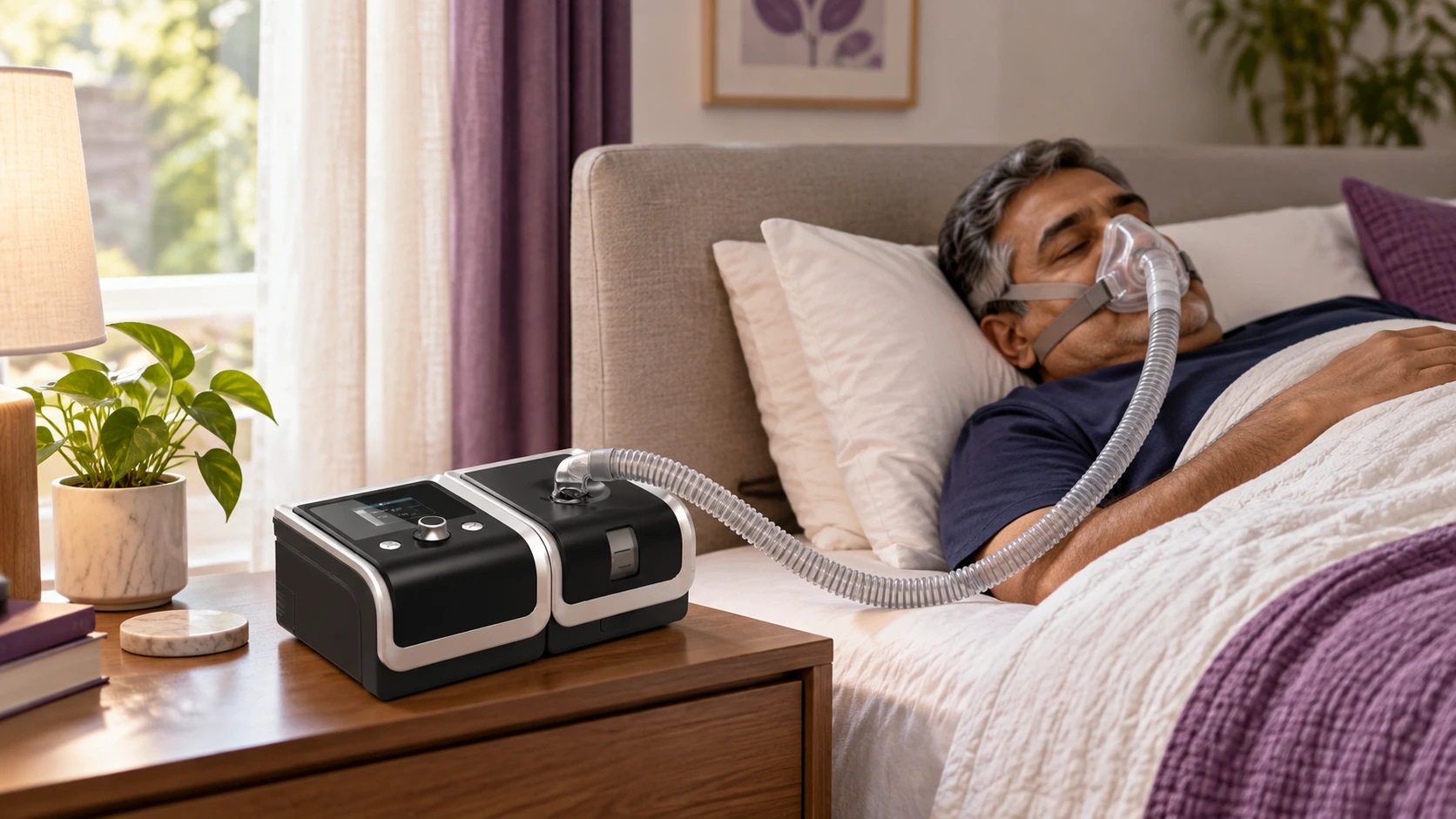
Why does BiPAP work differently from standard CPAP?
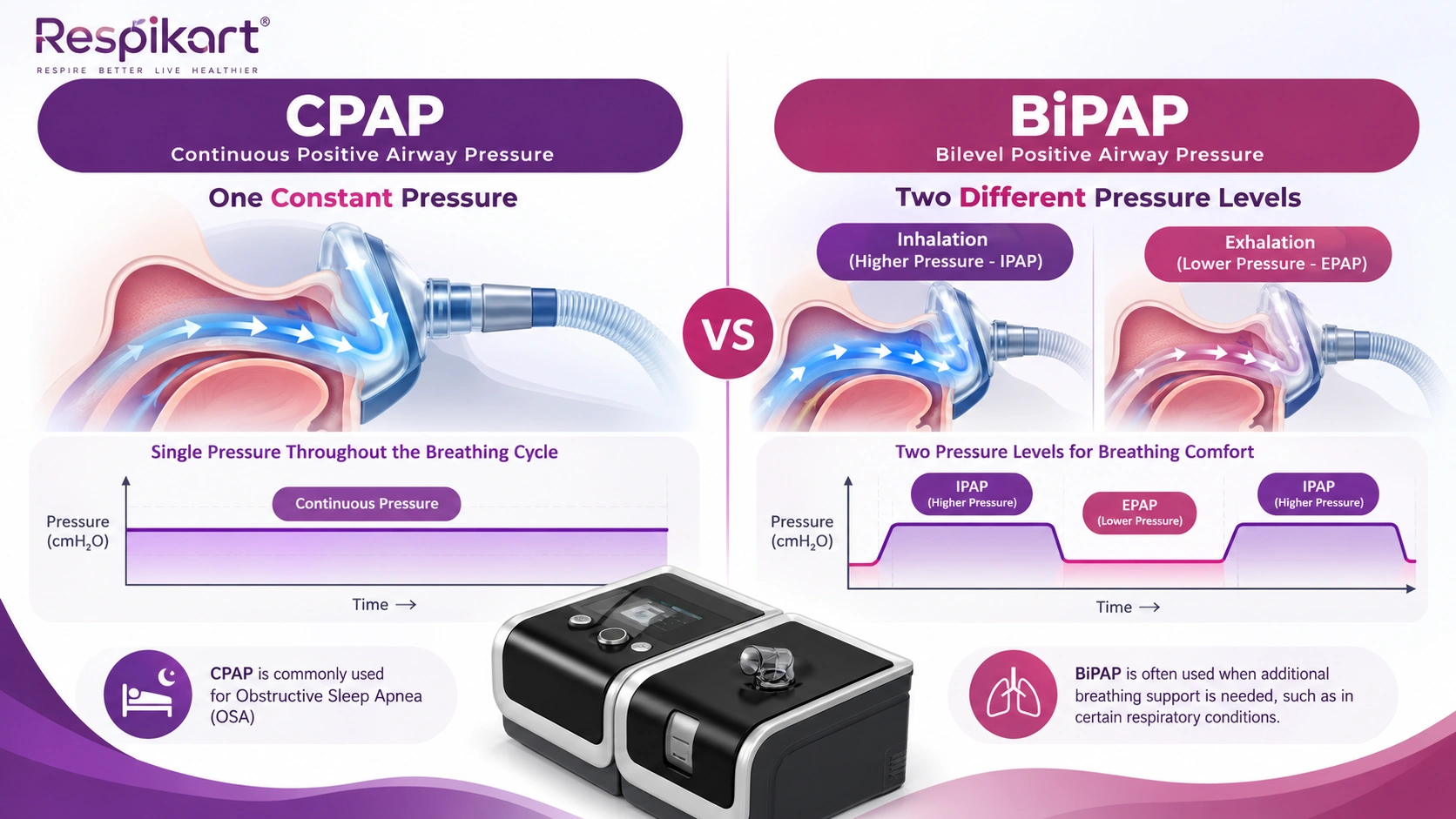
Imagine a standard CPAP machine delivering a single pressure throughout the breathing cycle. For many people whose main problem is upper-airway obstruction during sleep, that continuous pressure can serve the intended purpose of helping keep the airway open.
Bilevel therapy takes a different approach. Instead of keeping pressure identical during inhalation and exhalation, it uses a higher inspiratory pressure and a lower expiratory pressure. These are commonly referred to as IPAP and EPAP.
IPAP
Inspiratory Positive Airway Pressure. The higher pressure used to support inhalation.
EPAP
Expiratory Positive Airway Pressure. The lower pressure used during exhalation.
Why Two Levels?
The difference between the two pressures can provide a breathing pattern that is distinct from single-pressure CPAP therapy.
Clinical note: The source material specifically emphasizes that the Y25T should not be configured casually. Pressure, mode and other therapy parameters should be selected under medical guidance.
What makes the Y25T more than a basic bilevel machine?
The Y25T combines a broad pressure range with four operating modes and Target Tidal Volume. That combination gives the device a considerably different feature set from a basic fixed-pressure bilevel machine.
| Product | BMC RESmart GII Y25T BiPAP Machine |
| IPAP | 4–25 cmH₂O |
| EPAP | 4–25 cmH₂O |
| Modes | CPAP, Spontaneous, Timed, Spontaneous/Timed |
| Key Feature | Target Tidal Volume |
| Humidification | Integrated humidification |
| Display | 3.5-inch screen |
| Warranty | 2-year manufacturer warranty |
| Listed Price | ₹28,999 |
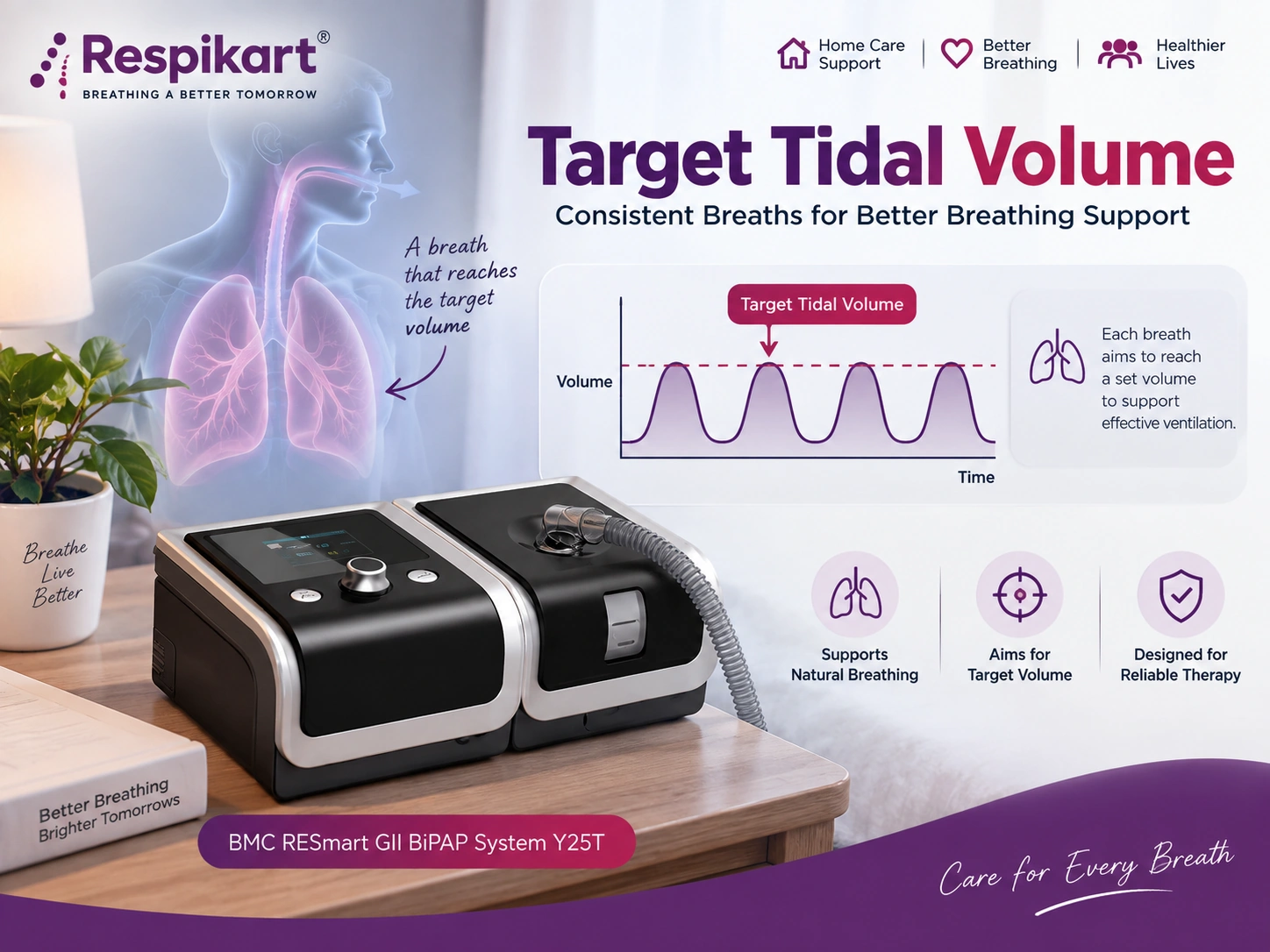
Target Tidal Volume explained without complicated terminology
Tidal volume refers to the amount of air moved with a breath. The Y25T’s Target Tidal Volume feature is designed to focus on maintaining a target volume rather than simply holding a static pressure value throughout the night.
This becomes particularly relevant when the effectiveness of a patient’s breathing changes during sleep. The supplied article explains that the device can adjust pressure support toward the target rather than treating the pressure number as the only objective.
In simple terms, the feature is about supporting the amount of ventilation being achieved, not merely maintaining the same pressure setting regardless of changes in breathing effort.
Four operating modes, each with a different purpose
CPAP Mode
Runs as a continuous-pressure device when that configuration is prescribed.
Spontaneous Mode
Tracks the patient’s own breathing pattern and switches between IPAP and EPAP according to the breathing cycle.
Timed Mode
Uses a timed approach to deliver breaths when the patient’s spontaneous respiratory effort cannot be relied upon consistently.
Spontaneous/Timed
Combines spontaneous support with a timed backup approach when the patient’s own effort drops below the prescribed threshold.
Why Flexibility Matters
The source describes the four modes as giving clinicians more flexibility when therapy requirements change.
Prescription-Led Setup
The presence of multiple modes does not mean the user should experiment with them. The treating clinician determines the appropriate configuration.
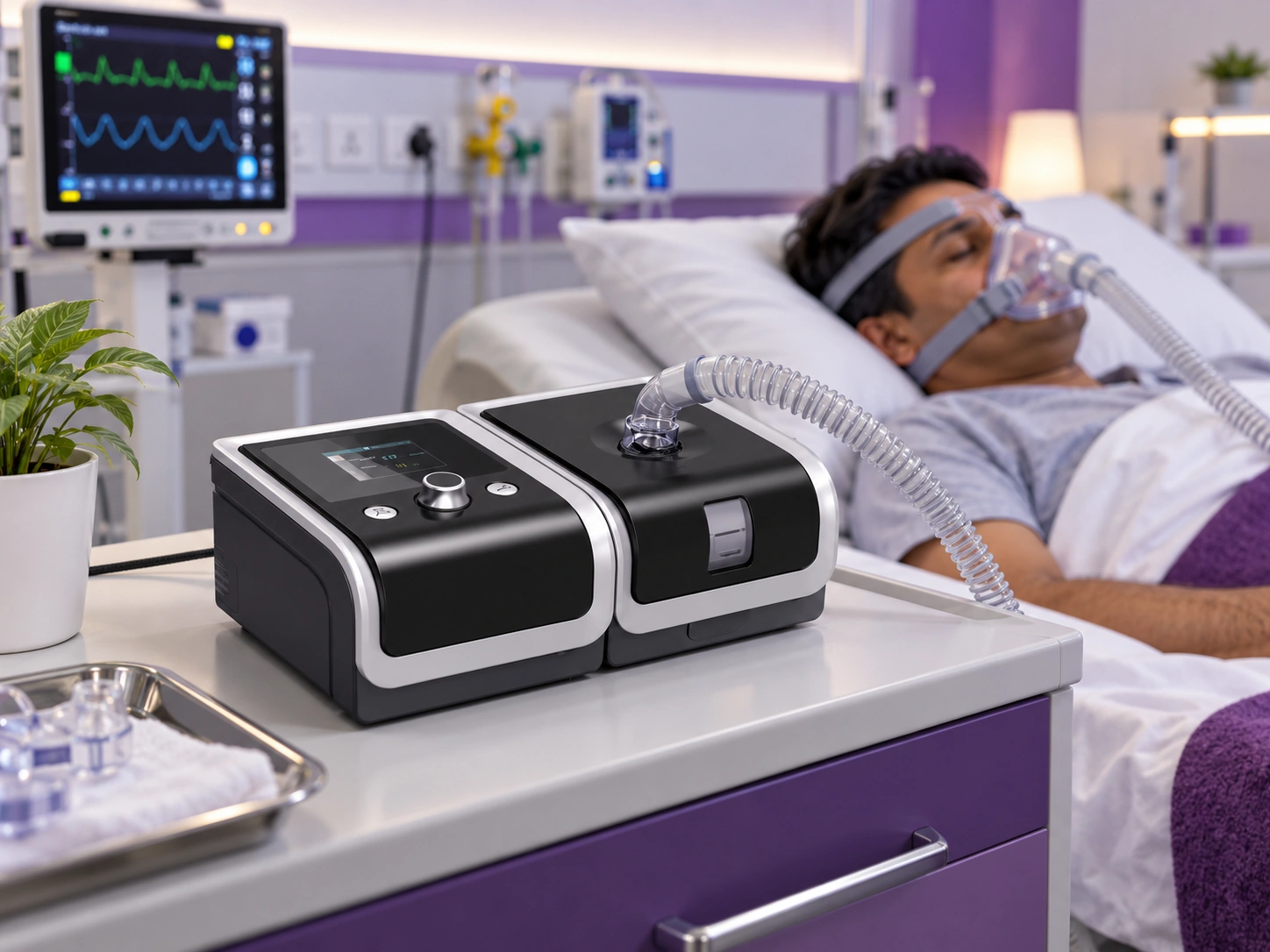
Where can advanced bilevel therapy fit?
The supplied article discusses bilevel devices with advanced ventilation features in home care, step-down units and sleep-lab environments. These settings can require more flexibility than a basic single-pressure CPAP device.
In a sleep-lab setting, different configurations may be evaluated under professional observation. In step-down care, respiratory support may be more involved than routine home CPAP but not necessarily at the level of full intensive-care ventilation.
The important distinction is that the same machine can have different roles depending on the patient’s prescription and clinical environment.
Comfort features can matter just as much as specifications
Starting bilevel therapy can feel different from starting ordinary CPAP. The change between inspiratory and expiratory pressure can initially feel unfamiliar. The supplied article notes that some users may need several nights or even a few weeks to become comfortable with the therapy.
Integrated Humidification
Helps address dryness associated with prolonged pressurized airflow through the nose and throat.
Leak Compensation
Designed to help compensate for mask leaks so the intended pressure relationship can be maintained.
Synchronization
The machine is designed to coordinate pressure changes with the patient’s breathing rhythm.
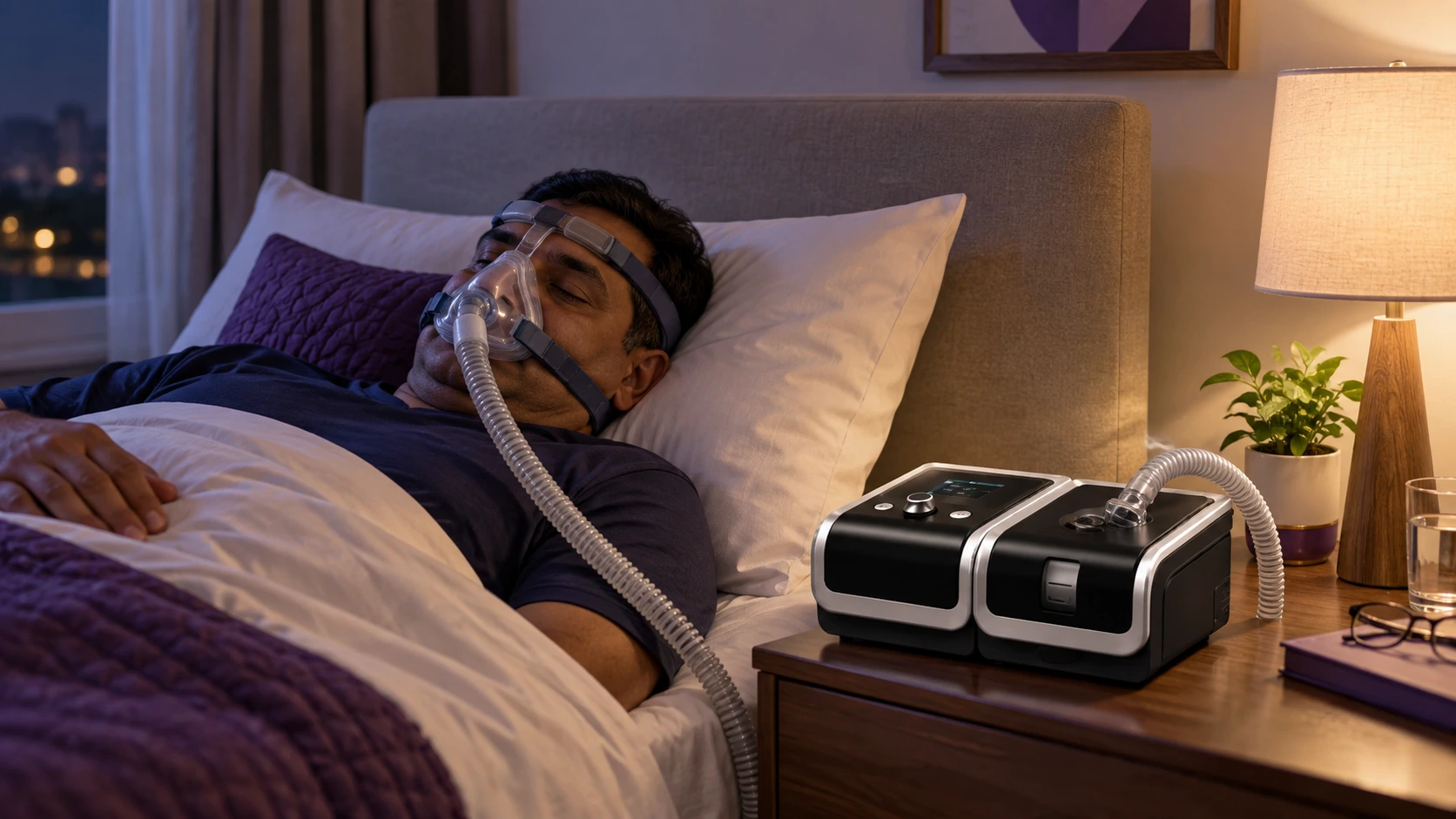
Which patients are typically discussed in relation to bilevel support?
The supplied material specifically mentions COPD, neuromuscular disorders, obesity hypoventilation syndrome and other respiratory insufficiency situations beyond straightforward airway obstruction.
Think diagnosis first, machine second.
A more advanced machine is not automatically the right machine. The source material repeatedly frames Y25T selection around the patient’s diagnosis, prescribed pressure, mode and ventilation requirements.
For example, a person whose primary issue is straightforward obstructive sleep apnea may be managed with a CPAP configuration, while someone with more complex ventilatory requirements may be considered for bilevel support. The final therapy decision belongs to the treating physician.
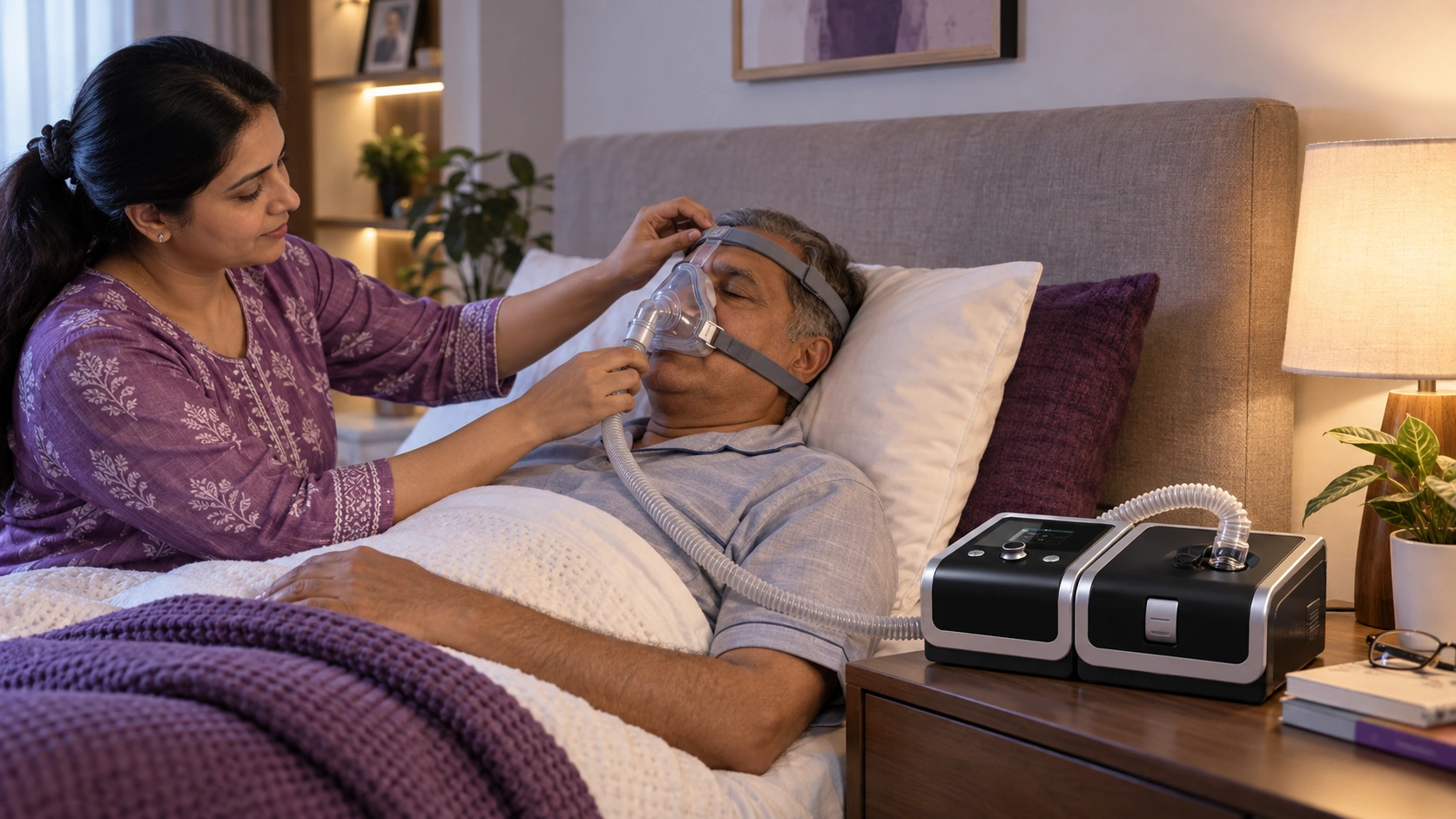
What can the first few nights feel like?
One practical point often overlooked in product descriptions is that adapting to bilevel therapy may take time. The pressure sensation can feel unusual because the machine is actively changing between two levels.
The source identifies several early challenges: feeling out of sync with the machine, mild claustrophobia related to the mask, dry mouth and nasal irritation. These issues can sometimes be addressed through mask-fit adjustments, humidification changes or clinician-guided configuration.
A short adjustment period therefore should not automatically be interpreted as evidence that the device is unsuitable. At the same time, persistent discomfort or clinical concerns should be discussed with the treating healthcare professional.
Why professional setup matters with the Y25T
The Y25T offers several configurable variables, including pressure ranges, modes and Target Tidal Volume-related parameters. Because these settings carry clinical significance, the source material recommends that configuration be performed by or under the direction of the treating physician.
Prescription First
Confirm the prescribed therapy before changing any clinical setting.
Mask Selection
Discuss whether a nasal or full-face interface is appropriate for the patient’s prescribed therapy.
Ongoing Support
Respikart’s listing describes specialist support for patients navigating setup according to prescription.
What should you check before buying the BMC Y25T?
01. Prescription Details
Confirm the exact therapy mode and pressure requirements with the treating physician.
02. Mask Compatibility
Ask which mask interface is appropriate for the prescribed pressure and therapy.
03. Consumables
Remember that filters, tubing and mask components require periodic replacement.
04. Power Backup
If respiratory support is highly relied upon, discuss an appropriate backup plan for power interruptions.
05. Warranty
The supplied article lists a two-year manufacturer warranty.
06. Current Price
The supplied article lists ₹28,999; verify the current price and availability on the live product page.
Check the BMC RESmart GII Y25T on Respikart
View the live product listing for current product, availability and purchase information.
View BMC Y25T Product →Explore more from Respikart
If you are comparing respiratory-care equipment, continue your research directly through Respikart.
BMC RESmart GII Y25T FAQs
What is the price of the BMC RESmart GII Y25T?
The supplied article lists the price as ₹28,999. Because pricing can change, check the live Respikart product page before purchase.
How is BiPAP different from CPAP?
CPAP generally uses one continuous pressure, while bilevel therapy provides a higher inspiratory pressure and a lower expiratory pressure.
What is the IPAP and EPAP range?
The supplied specifications state 4–25 cmH₂O for both IPAP and EPAP.
What modes are available?
CPAP, Spontaneous, Timed and Spontaneous/Timed.
What is Target Tidal Volume?
It is a feature intended to adjust pressure support toward a target amount of air delivered with each breath.
Does the Y25T have a humidifier?
Yes. The supplied article states that integrated humidification comes standard.
Does it have leak compensation?
Yes. Leak compensation is described as a feature intended to help maintain the intended pressure relationship when a mask seal is imperfect.
Who may be considered for bilevel therapy?
The supplied article discusses COPD, neuromuscular disorders, obesity hypoventilation syndrome and other respiratory insufficiency conditions. Suitability must be determined clinically.
Can the user change the settings independently?
The supplied article recommends physician-guided configuration because the settings have clinical significance.
Is there an adjustment period?
Yes. The source describes several nights to a few weeks as a possible adjustment period, with mask comfort, dryness and synchronization among the issues that can arise.
What consumables need replacement?
Filters, tubing and mask components can require periodic replacement.
Is the machine only for home use?
The supplied article discusses home use as well as step-down units and sleep-lab environments.
