
Blood Pressure Monitor, Elderly Care, Home Healthcare, Hypertension Care, Medical Equipment, Omron Products, Patient Monitoring
Omron HEM-7156 vs HEM-7121 J: Features, Price & Comparison
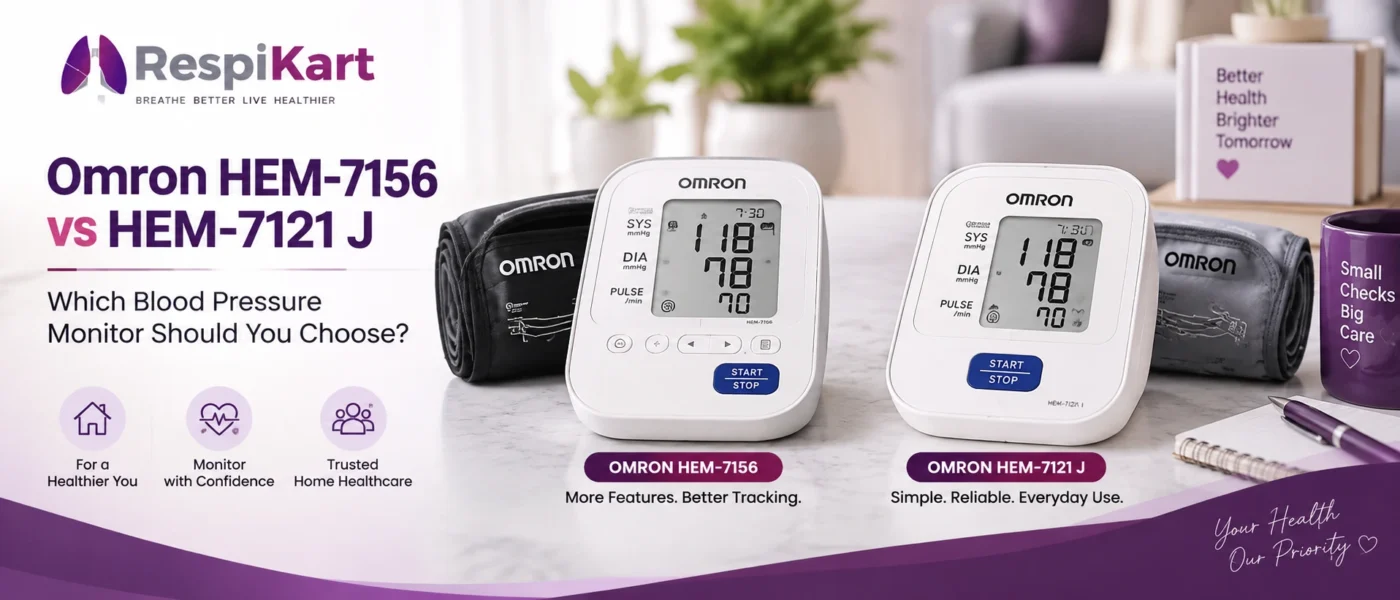
Omron HEM-7156 vs HEM-7121 J: Which Blood Pressure Monitor Should You Choose?
A detailed comparison of two popular Omron upper-arm blood pressure monitors — covering features, memory, cuff technology, usability, pricing and what to consider when monitoring blood pressure at home.
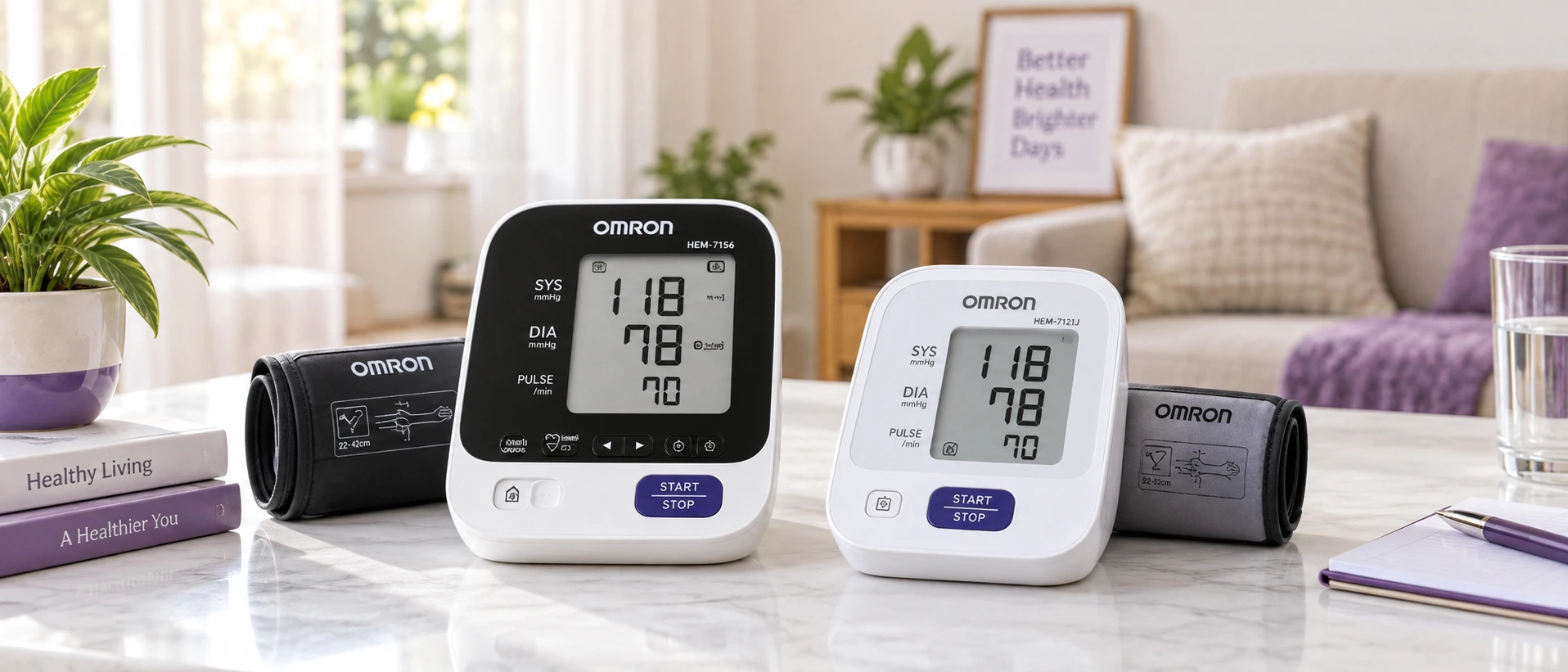
More features including 60-reading memory and three-reading averaging.
A simpler automatic upper-arm monitor with core monitoring features.
The difference corresponds to additional features on the HEM-7156.
Why Does Choosing the Right BP Monitor Matter?
Checking blood pressure at home can become part of a regular health-monitoring routine. But choosing a monitor is not simply about looking at the lowest price or the longest feature list.
A useful home monitor should fit comfortably, be straightforward to operate and make it practical to take readings consistently. For people who want to maintain a record over time, features such as memory and averaging can also be useful.
The Omron HEM-7156 and HEM-7121 J approach home monitoring slightly differently. The HEM-7156 provides a broader feature set, while the HEM-7121 J keeps the experience more straightforward.

What Does a Home Blood Pressure Monitor Actually Measure?
A digital blood pressure monitor records three primary values: systolic pressure, diastolic pressure and pulse rate. Blood pressure readings are expressed in mmHg.
Systolic pressure represents the pressure in the arteries when the heart contracts. Diastolic pressure represents the pressure between heartbeats. An upper-arm digital monitor obtains these values using an inflatable cuff and internal sensing technology.
The real value of home monitoring often comes from looking at readings over time rather than focusing on one isolated number. A running record can provide useful information to discuss with a healthcare professional.
A single home blood-pressure reading is only one measurement. Consistent technique and repeated readings provide more useful context.
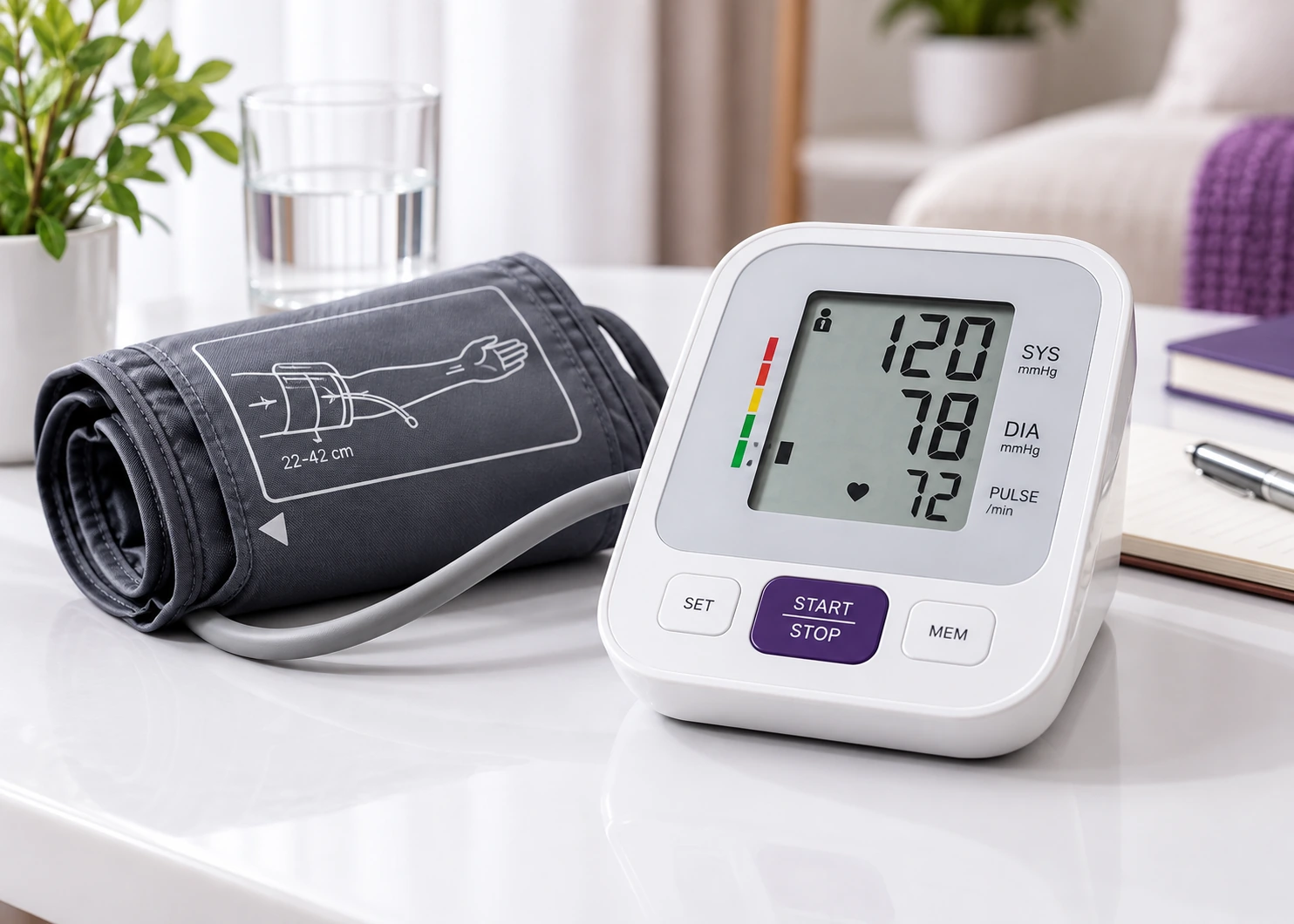
Omron HEM-7156 vs HEM-7121 J: Complete Comparison
The two monitors share the basic purpose of automated upper-arm blood pressure measurement, but the feature set is different. The following comparison brings the major differences together in one place.
| Feature | Omron HEM-7156 | Omron HEM-7121 J |
|---|---|---|
| Product type | Automatic upper-arm BP monitor | Automatic upper-arm BP monitor |
| Respikart listed price | ₹2,800 | ₹1,800 |
| Measurement | Systolic, diastolic, pulse | Systolic, diastolic, pulse |
| Cuff technology | IntelliWrap 360° Accuracy Cuff | Standard upper-arm cuff |
| Memory | 60 readings | Basic/model-dependent |
| Last 3-reading average | Yes | No |
| Irregular heartbeat detection | Yes | Yes |
| Body movement detection | Yes | No |
| Hypertension indicator | Yes | Yes |
| Cuff wrapping guide | Yes | Yes |
| Overall feature set | More feature-loaded | More straightforward |
Omron HEM-7156: More Features for Regular Tracking
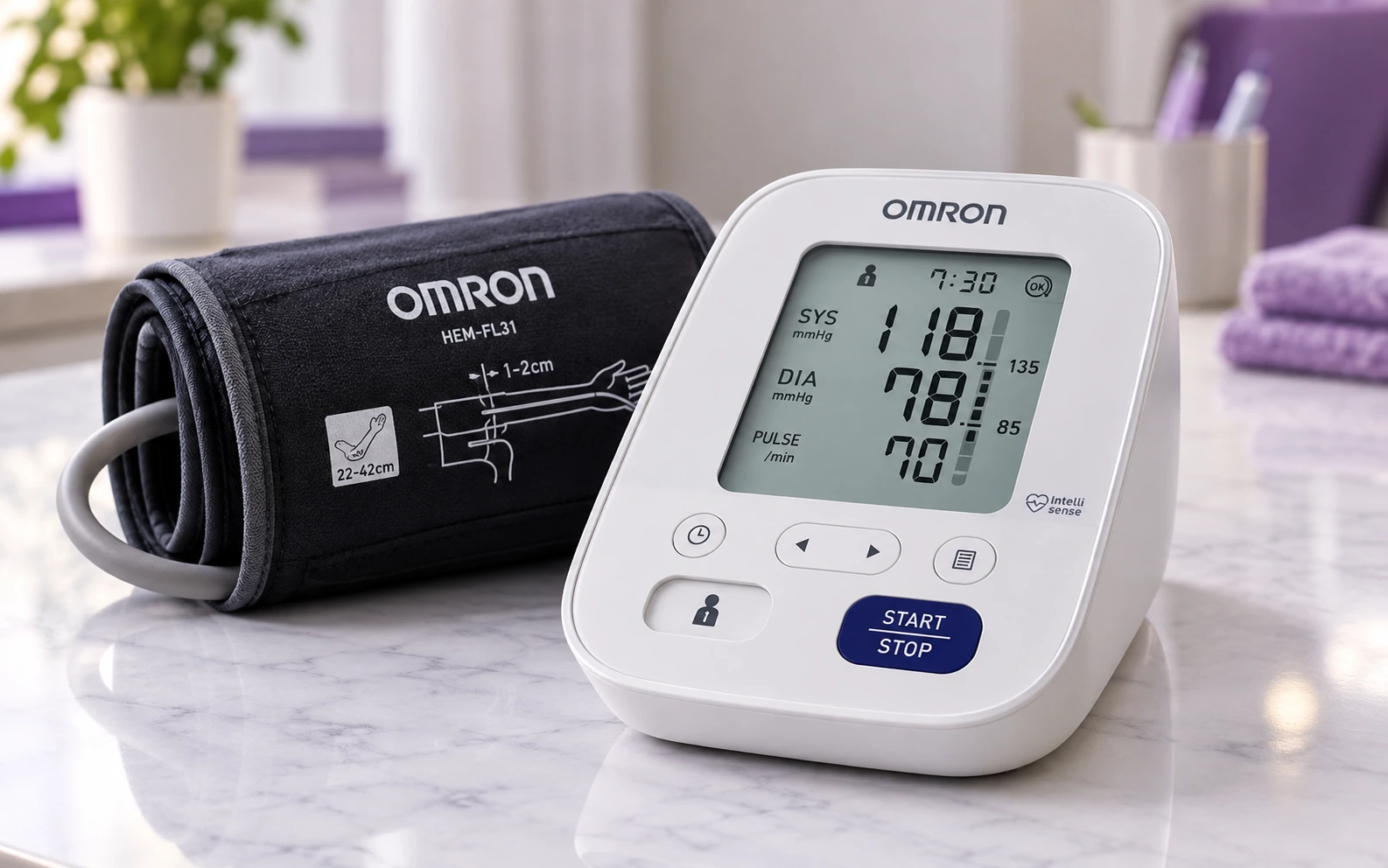
The HEM-7156 is the more feature-loaded model of the two. Its IntelliWrap 360° Accuracy Cuff is designed to make cuff positioning more straightforward, while the monitor also provides storage for up to 60 readings.
For someone who wants to look back at previous measurements, having stored readings can be more convenient than maintaining every measurement manually.
The monitor also provides a last-three-reading average, irregular heartbeat detection, body movement detection, hypertension indication and cuff wrapping guidance.
View HEM-7156 on Respikart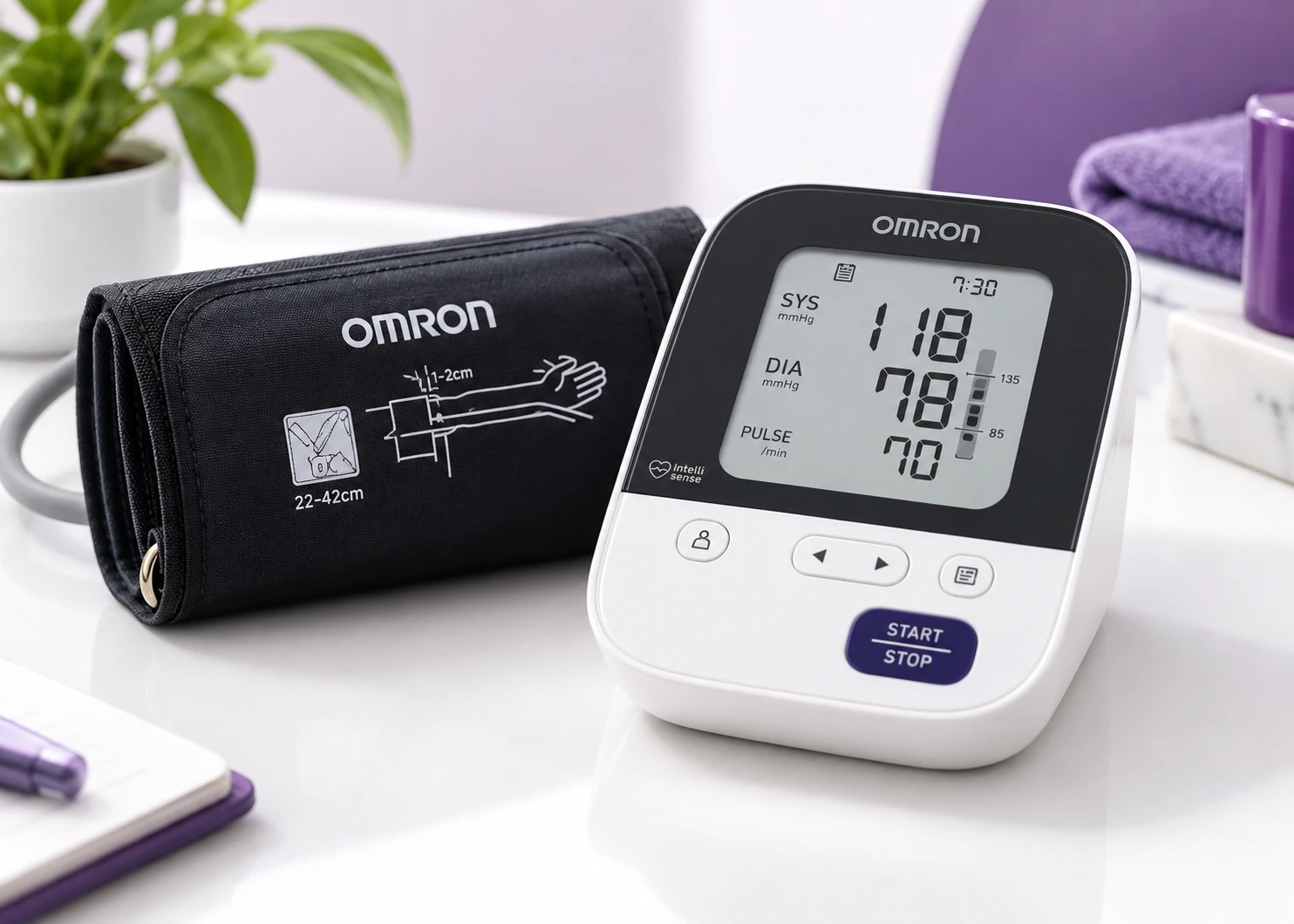
HEM-7156 Features Explained
60-Reading Memory
Stores up to 60 measurements, helping users maintain a history of readings over time.
Three-Reading Average
Provides an average of the last three measurements, adding additional context when multiple readings are taken.
Irregular Heartbeat Detection
Flags certain irregular pulse patterns detected during measurement. It is an indicator, not a diagnosis.
Body Movement Detection
Helps identify situations where movement may have occurred during the measurement.
Hypertension Indicator
Provides an indication when a reading is above the configured threshold.
Cuff Wrapping Guidance
Provides guidance intended to help with the cuff-wrapping process.
Omron HEM-7121 J: A Simpler Home-Monitoring Approach
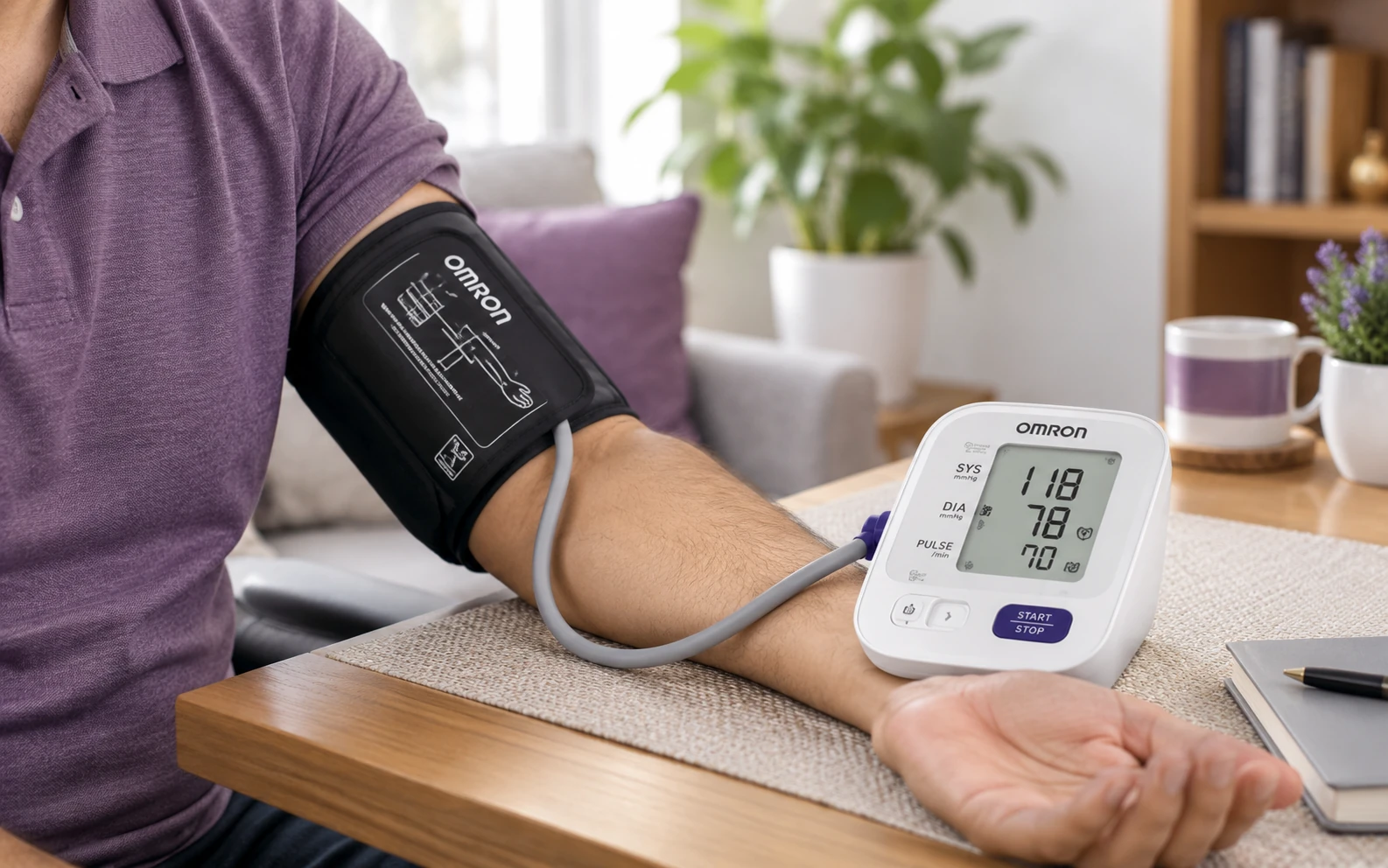
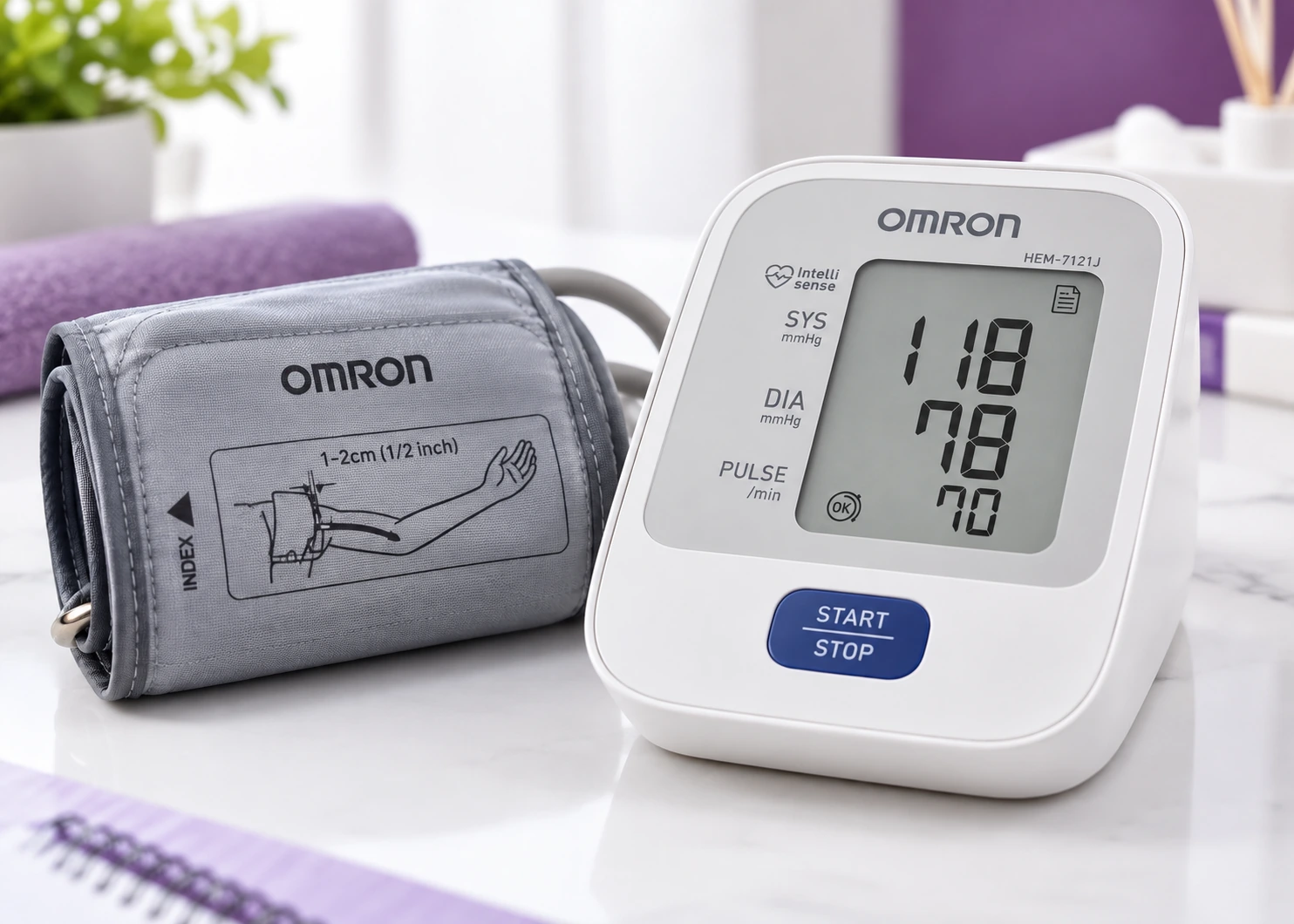
The HEM-7121 J takes a more straightforward approach. According to the provided product information, it includes IntelliSense technology, irregular heartbeat detection, a hypertension indicator and cuff wrapping guidance.
It also includes automatic inflation and deflation, a large LCD display and one-touch operation.
For users who prefer fewer features and a simple measurement process, this more focused feature set may be easier to understand and operate.
View HEM-7121 J on Respikart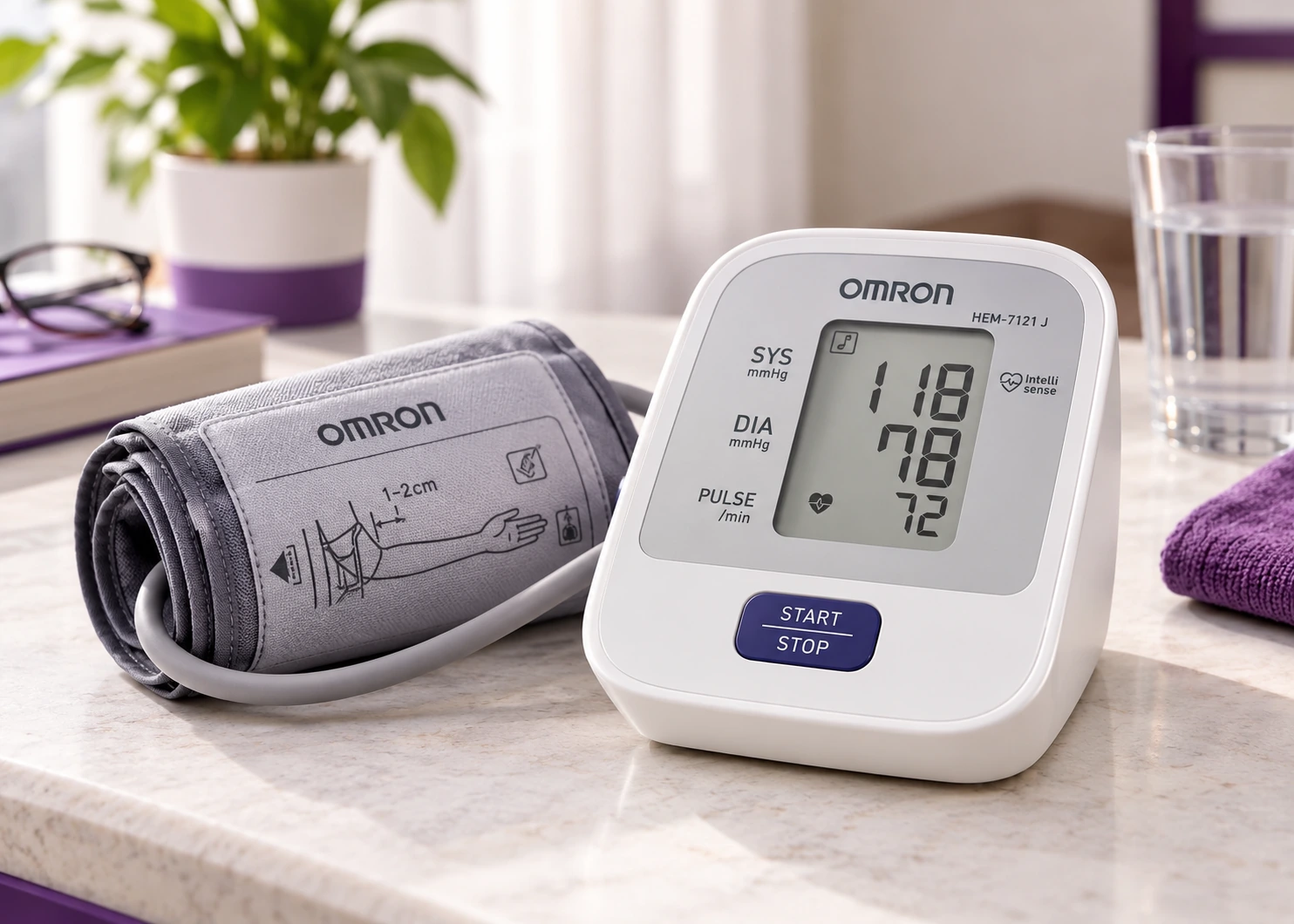

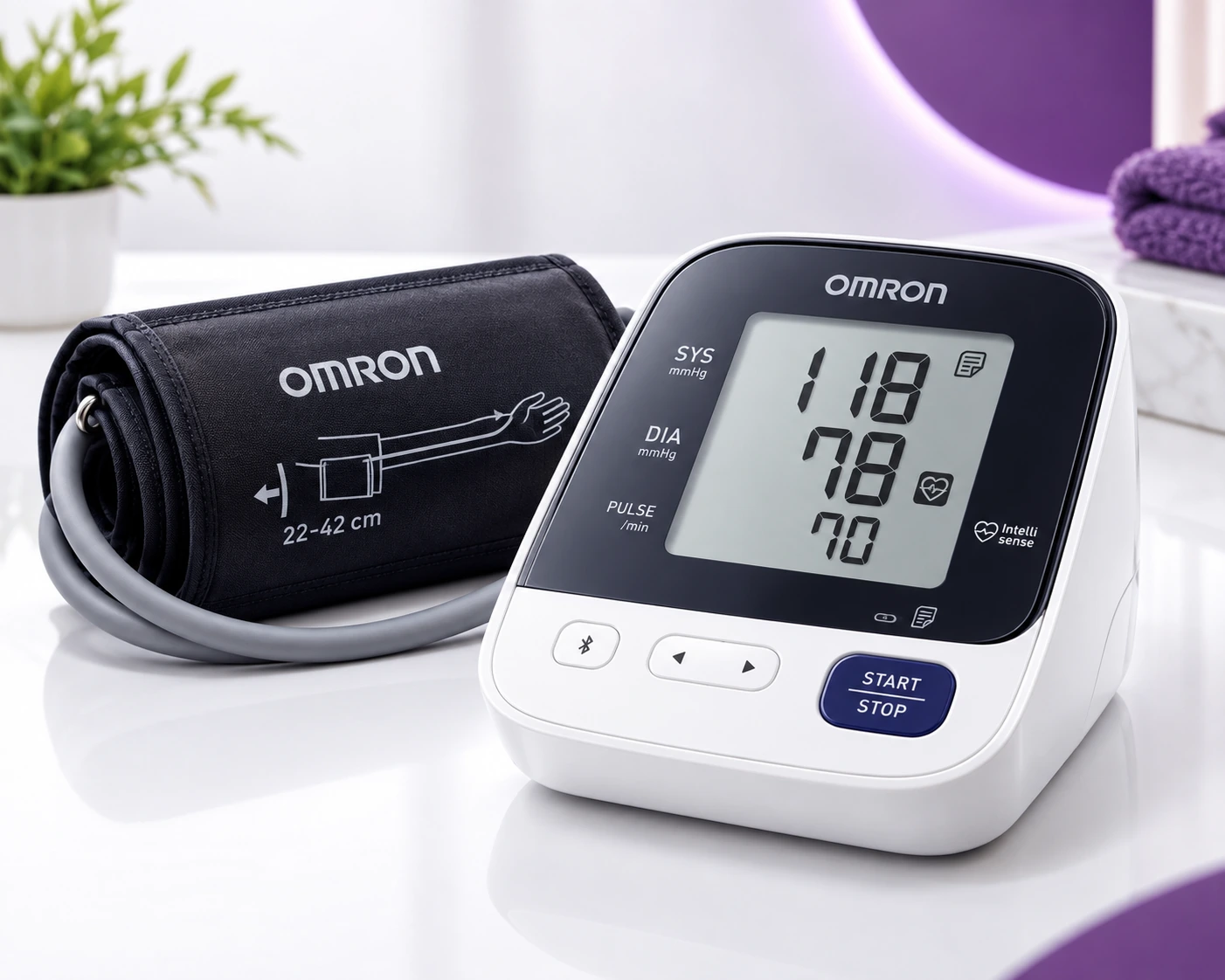
Omron HEM-7156
The HEM-7156 combines automated upper-arm measurement with additional features designed around regular tracking and easier recording of readings.
- 60-reading memory
- Last three-reading average
- IntelliWrap 360° Accuracy Cuff
- Irregular heartbeat detection
- Body movement detection
- Hypertension indicator
- Cuff wrapping guidance
Does the ₹1,000 Price Difference Mean Better Accuracy?
The listed prices in the provided Respikart content are ₹2,800 for the HEM-7156 and ₹1,800 for the HEM-7121 J. That creates a ₹1,000 difference between the two models.
The important point is that the price difference reflects differences in features rather than something as simple as saying that one monitor will automatically produce better readings in every situation.
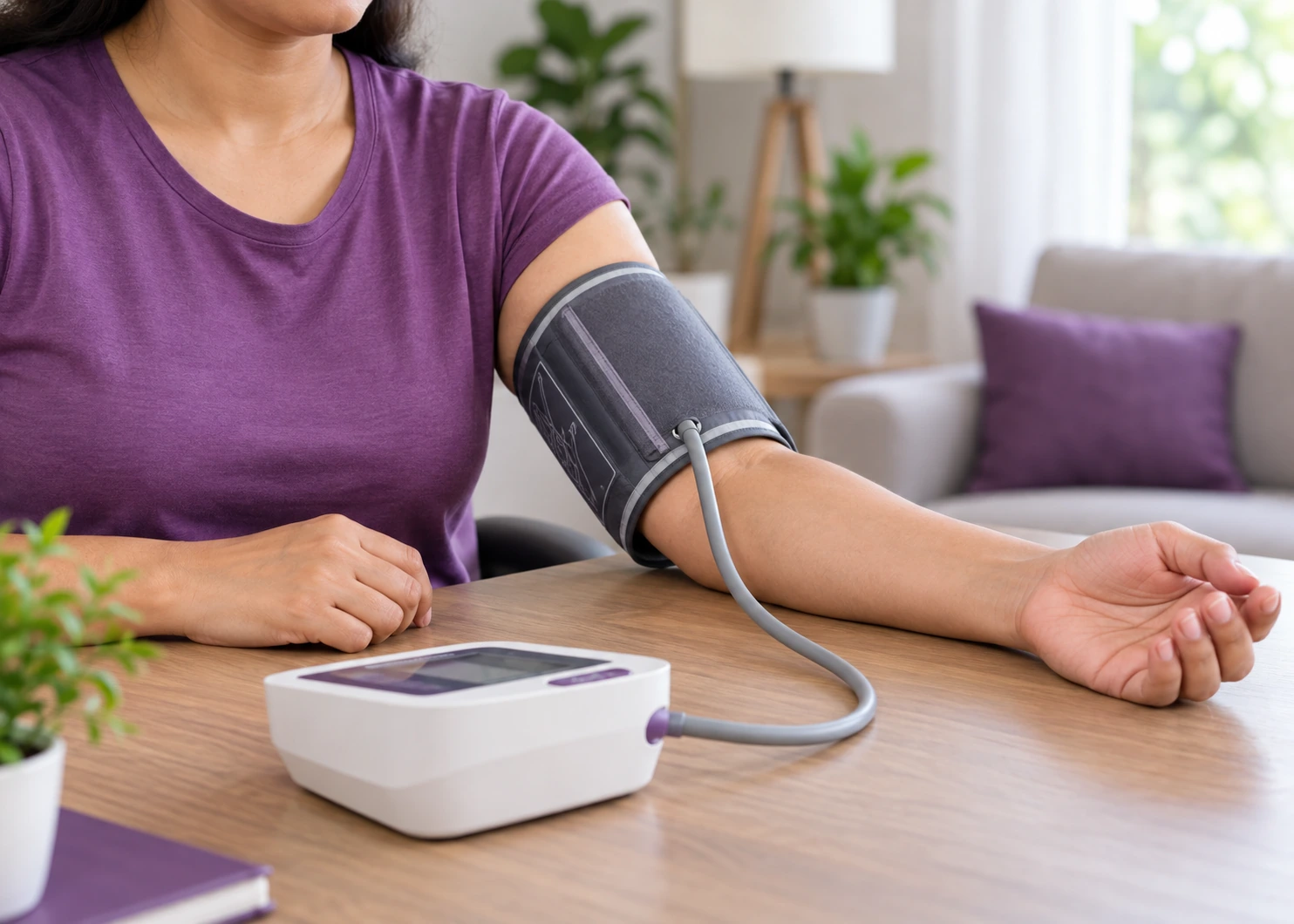
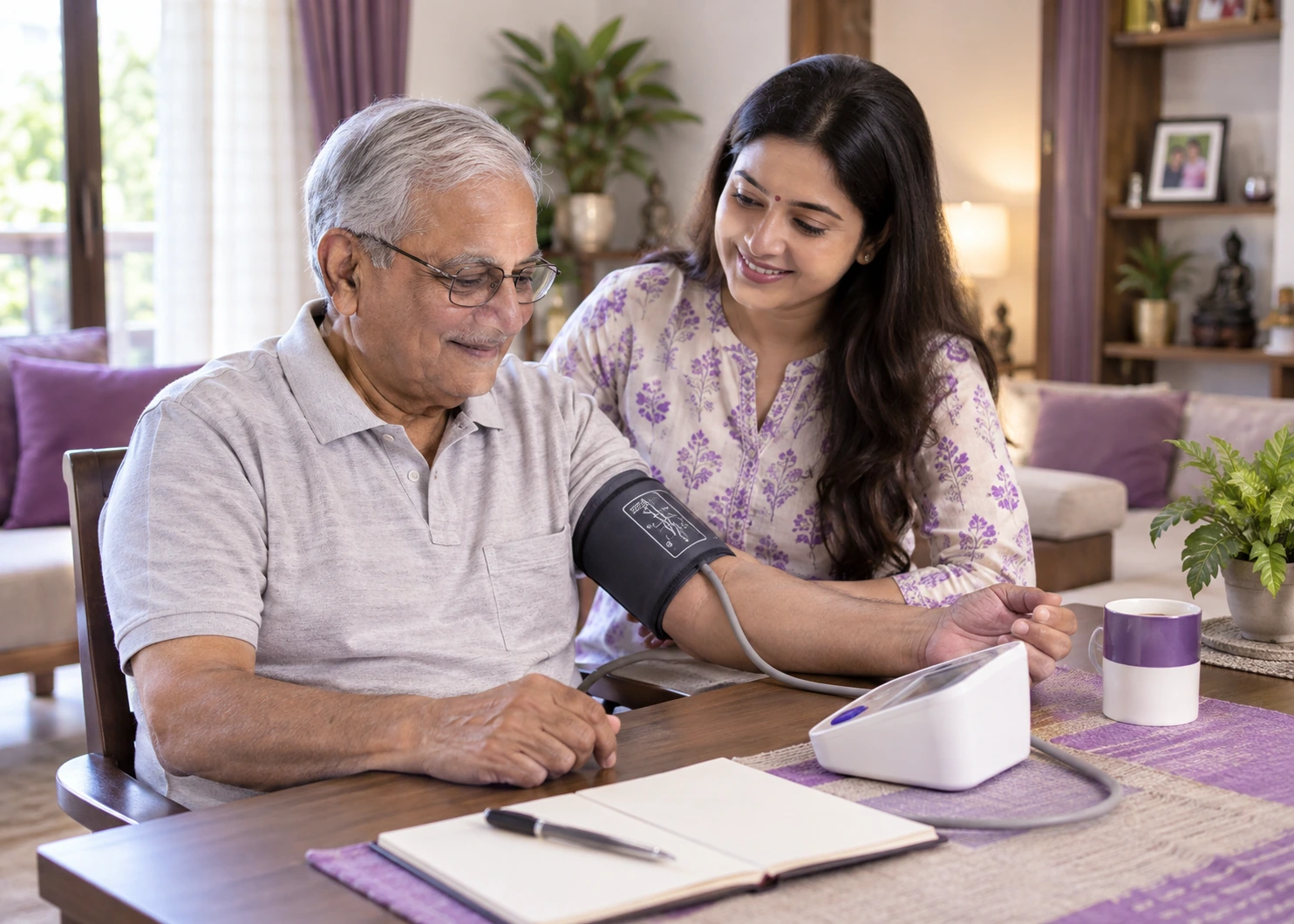
Measurement technique still matters. Cuff size, cuff placement, posture, arm support, remaining still and following the device instructions all contribute to obtaining consistent readings.
Which Model Fits Different Users?
For Regular Tracking
The HEM-7156 provides additional memory and averaging features that can be useful when readings are taken regularly and need to be reviewed later.
For Simple Checks
The HEM-7121 J focuses on automatic measurement and a simpler feature set for users who don’t need extended stored history.
For Family Use
If a monitor is shared between family members, maintaining a separate record of each person’s readings can help avoid mixing measurements.
For Older Adults
Simplicity can be important for users who prefer fewer controls and a straightforward start-and-measure process.
How to Get a More Consistent Blood Pressure Reading at Home
The monitor itself is only one part of the measurement process. How the measurement is taken can also affect the consistency of the reading.
Rest Before Measuring
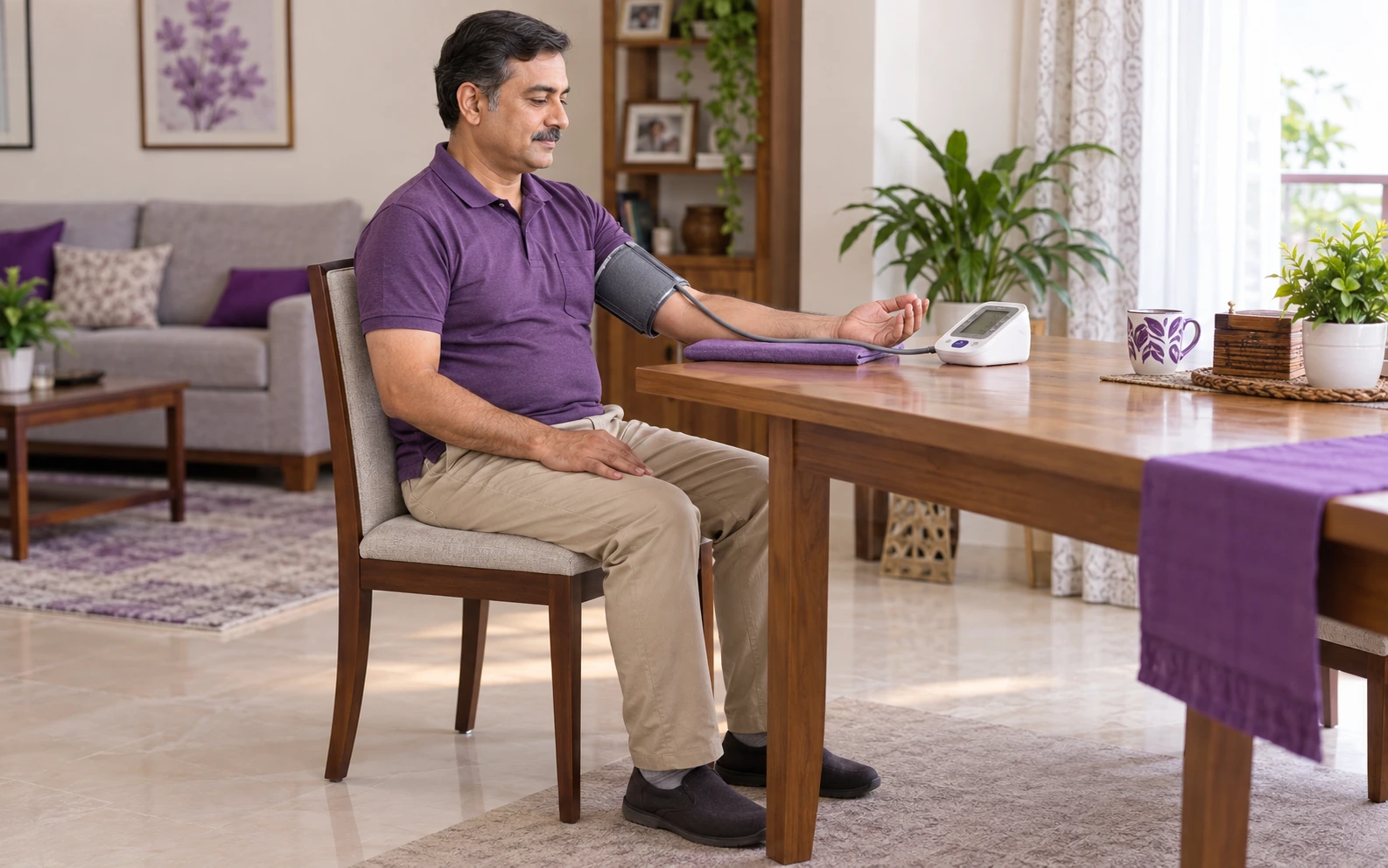
Sit quietly for a few minutes before beginning the measurement. Avoid taking the reading immediately after exercise or other activities that may temporarily affect your blood pressure.
Sit Properly
Keep your back supported, feet flat on the floor and legs uncrossed while taking the measurement.
Position the Arm Correctly
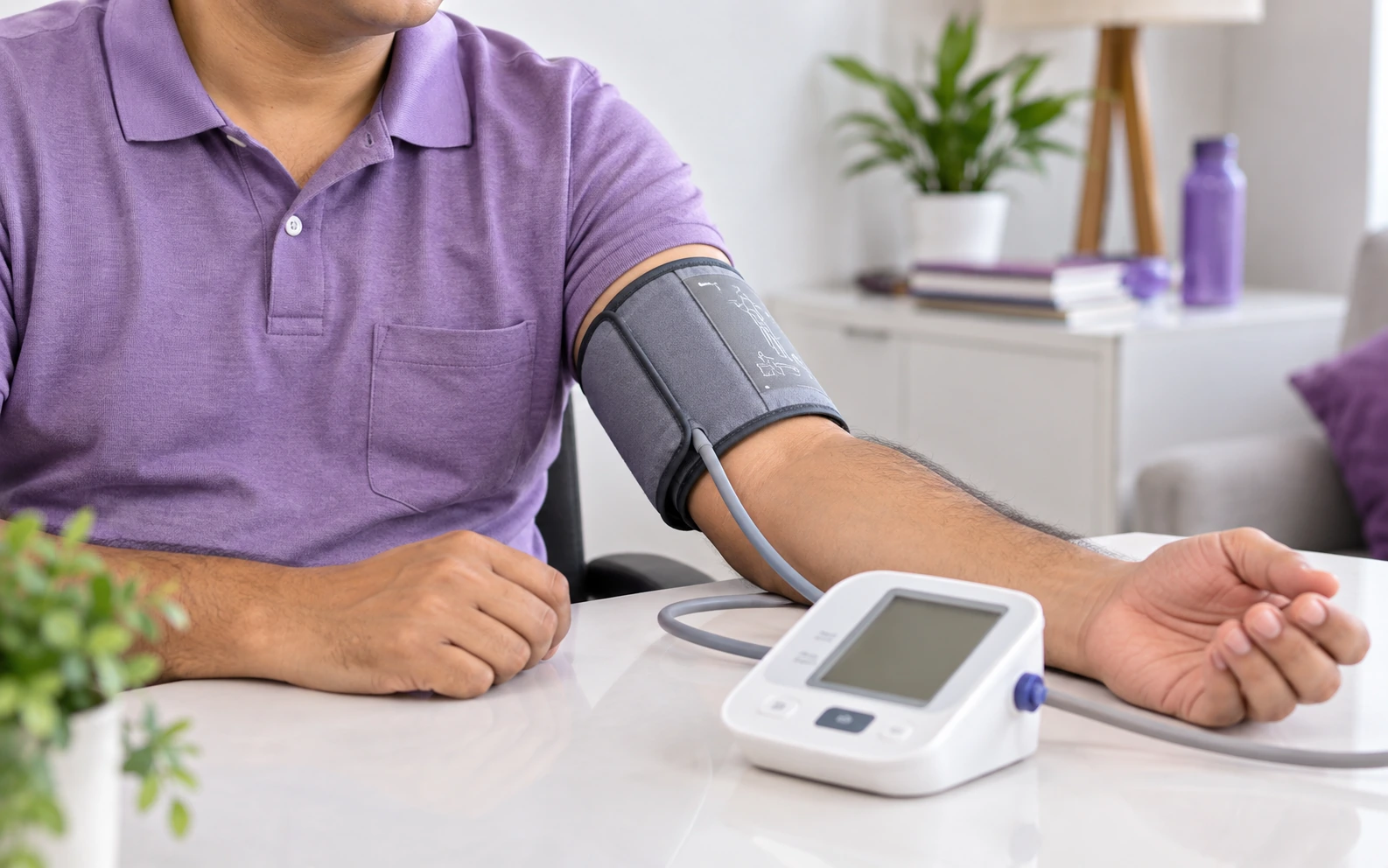
Keep the arm supported and positioned appropriately while the device is measuring.
Stay Quiet and Still
Avoid talking and unnecessary movement while the monitor is taking the measurement.
Maintain a Record
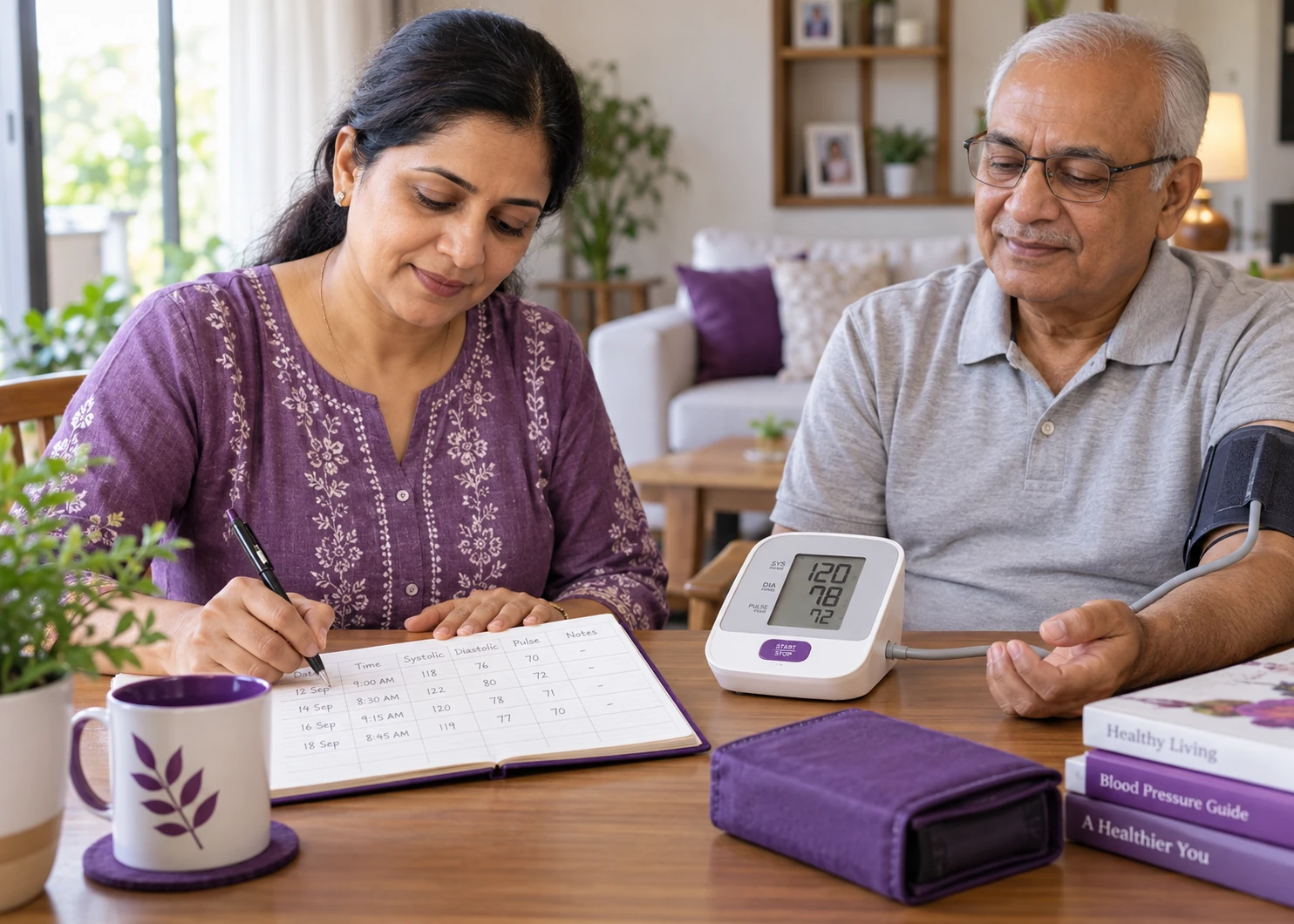
If you are tracking readings over time, record the date, time and result so that the information remains easy to review.
Don’t Ignore Cuff Size and Position
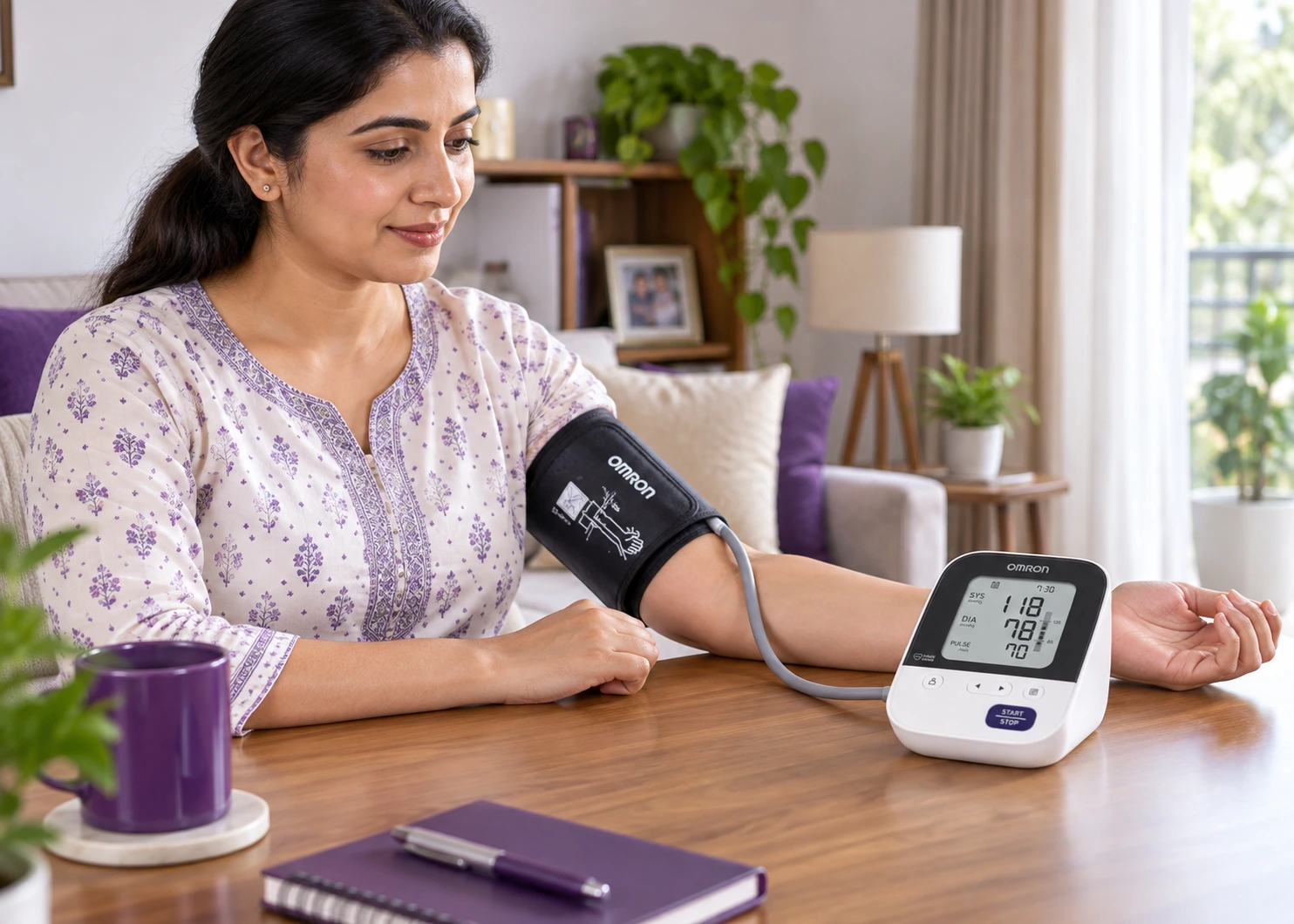
A blood pressure monitor can only provide useful measurements when it is being used correctly. The cuff should be appropriate for the user’s arm and positioned according to the manufacturer’s instructions.
Even a monitor with cuff-positioning guidance should not be treated as a guarantee that every cuff will fit every user. Checking the applicable cuff information for the specific model is an important part of setting up a home-monitoring routine.
A High or Low Reading Isn’t Automatically a Diagnosis
Blood pressure can change temporarily because of factors such as stress, recent activity, poor sleep, illness or measurement conditions. This is one reason why a single home reading should be viewed in context rather than treated as a diagnosis by itself.
On the other hand, unusual symptoms accompanying a low or high reading should not simply be ignored. When there are concerns about readings or symptoms, appropriate medical advice should be sought.
The irregular-heartbeat feature on these monitors should similarly be understood as an indicator rather than a diagnosis. If an unusual indication repeatedly appears, it is appropriate to discuss it with a healthcare professional.
What If More Than One Person Uses the Monitor?
Home blood pressure monitors are often used by more than one person in the same household. When this happens, keeping readings clearly separated becomes important.
The HEM-7156 provides stored readings, but users should still make sure they know whose measurement is being reviewed if the device does not provide separate user profiles for their particular configuration.
A simple digital or written log with the person’s name, date, time and blood-pressure reading can make shared household monitoring easier.
Basic Care and Maintenance
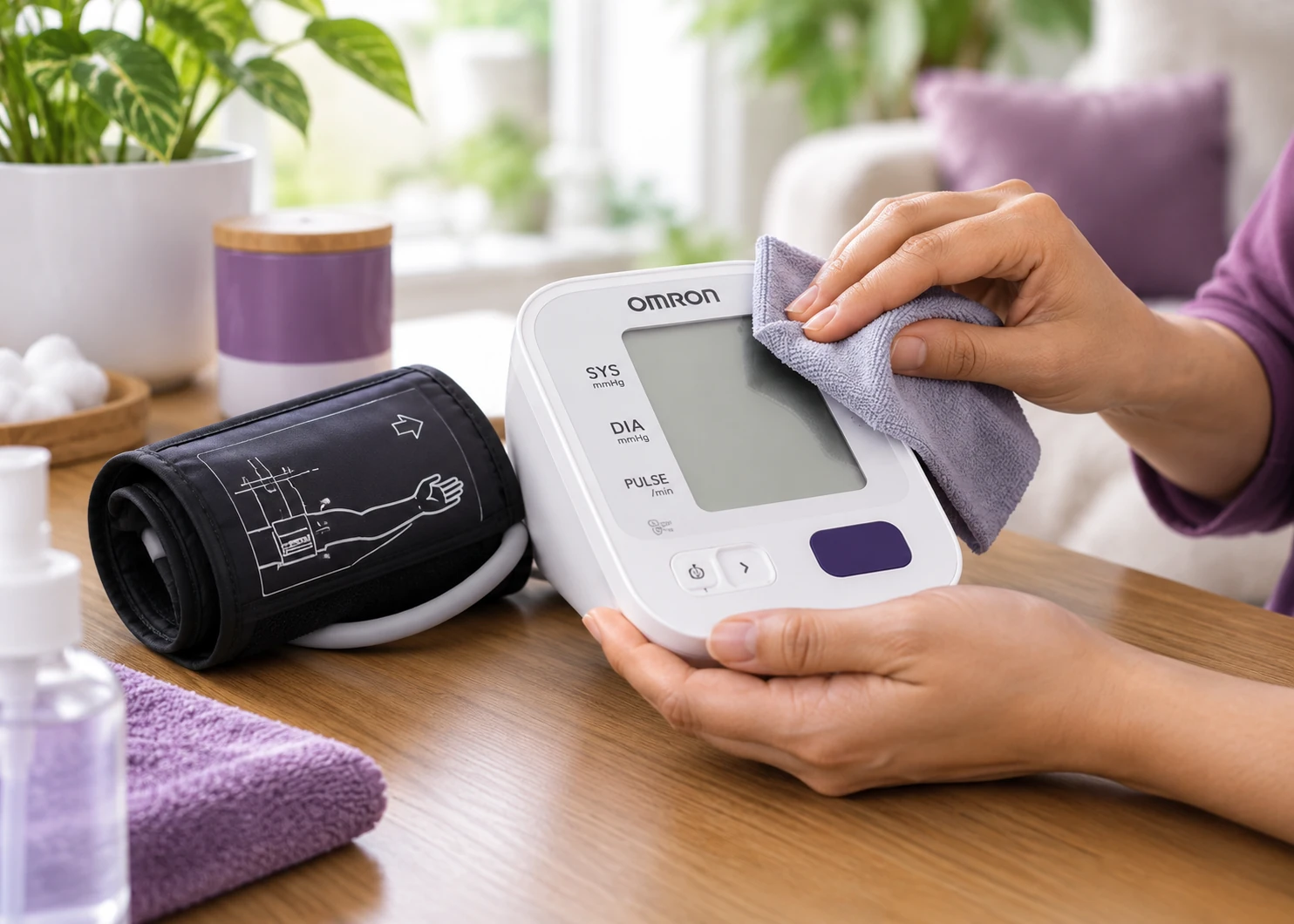
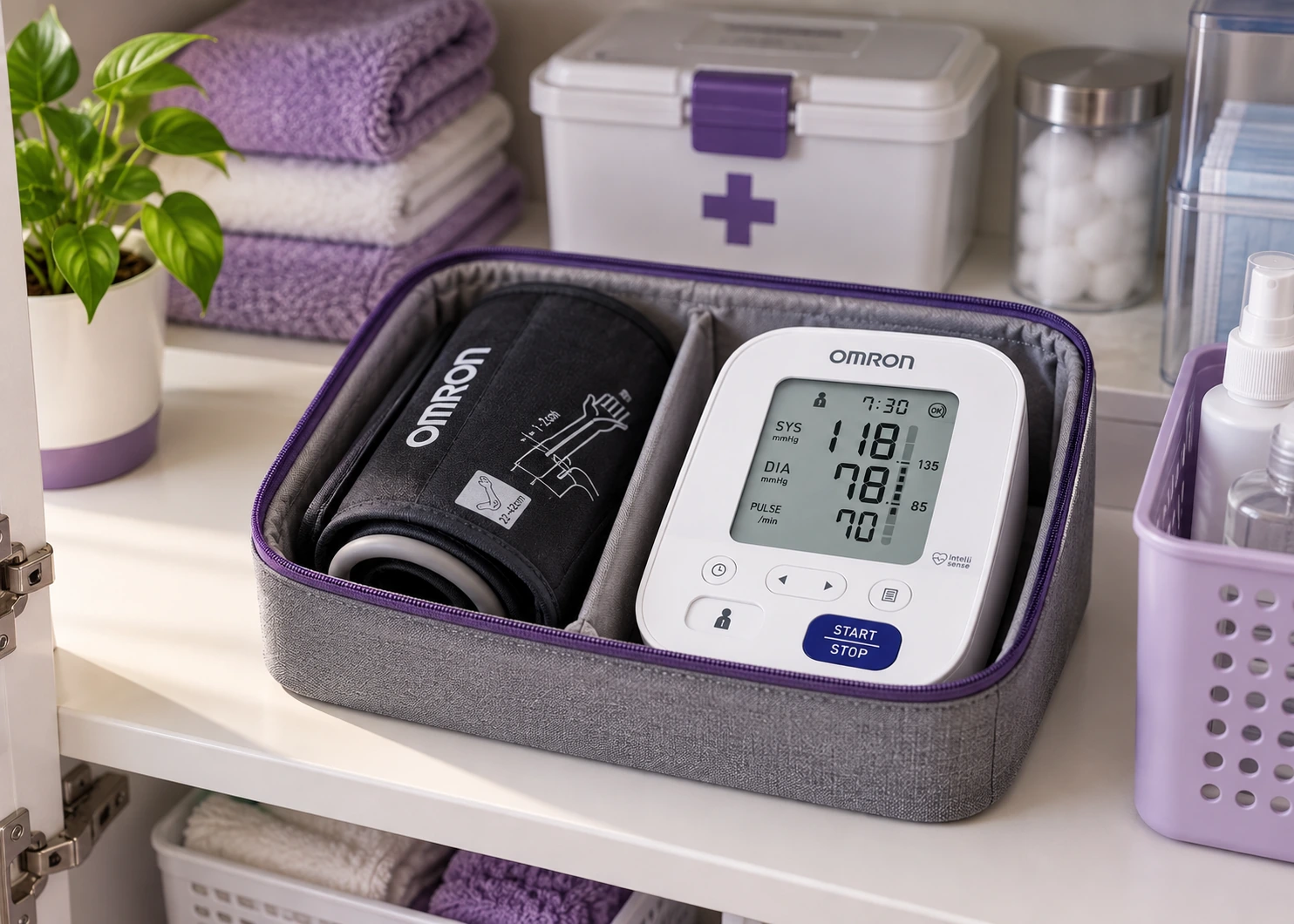
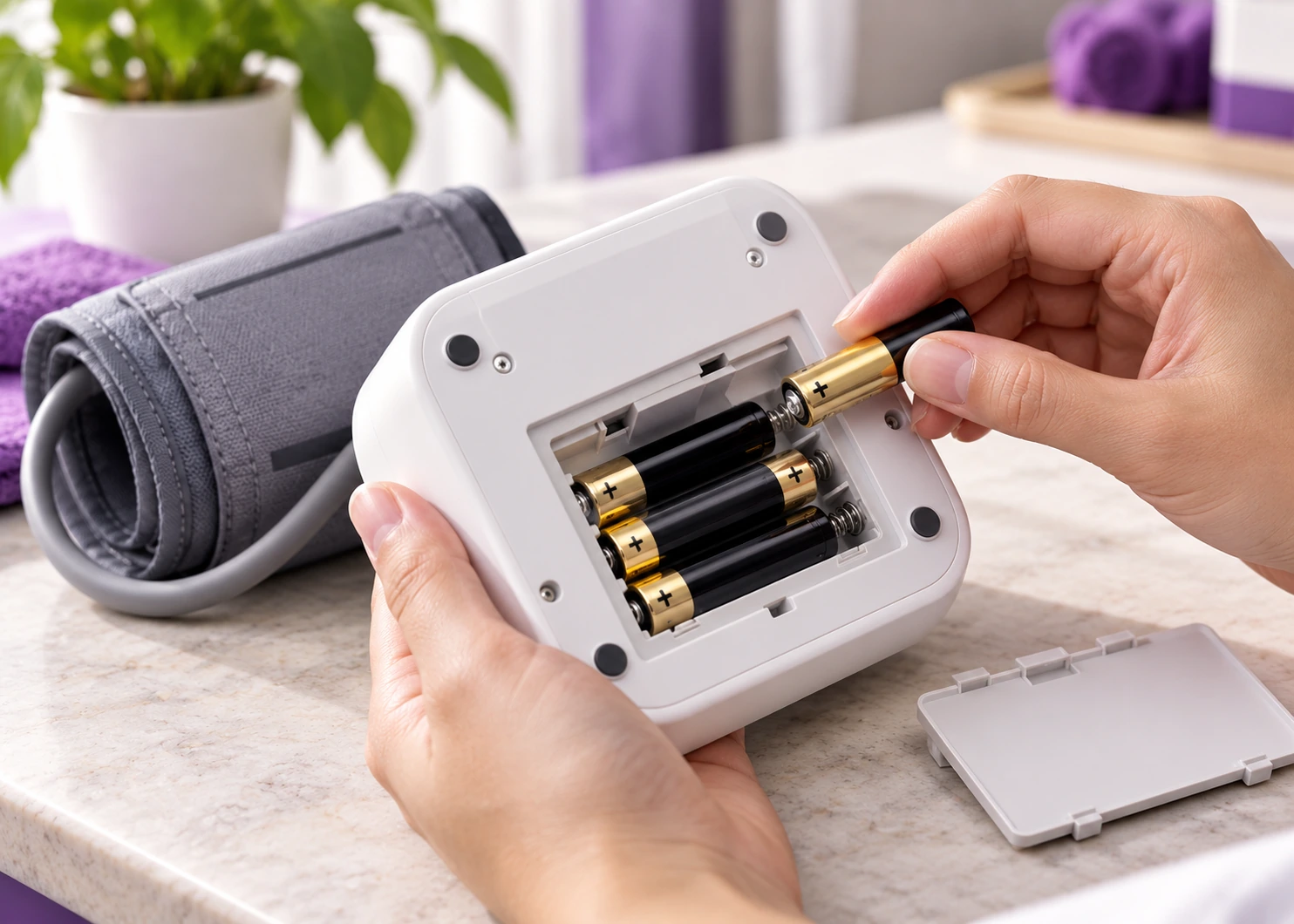
- Clean the monitor according to the manufacturer’s instructions.
- Avoid unnecessarily twisting or folding the cuff tubing.
- Store the monitor in a dry location away from excessive heat.
- Replace batteries when the low-battery indication appears.
- If the monitor behaves unusually, contact the manufacturer or supplier rather than attempting to open the device yourself.
Omron HEM-7156 vs HEM-7121 J: Pros and Considerations
HEM-7156 — Advantages
- IntelliWrap 360° Accuracy Cuff
- 60-reading memory
- Three-reading average
- Irregular heartbeat detection
- Body movement detection
- Hypertension indicator
- Cuff wrapping guidance
HEM-7156 — Considerations
- Higher listed price
- Some users may not need all additional features
- Correct cuff size and technique remain important
HEM-7121 J — Advantages
- Lower listed price
- Simple operation
- IntelliSense automatic inflation
- Irregular heartbeat detection
- Hypertension indicator
- Large LCD display
HEM-7121 J — Considerations
- No extended 60-reading memory
- No last-three-reading average
- Fewer additional monitoring features
HEM-7156 or HEM-7121 J?
The answer depends largely on how you plan to use the monitor.
The HEM-7156 offers additional memory, three-reading averaging, IntelliWrap cuff technology and body movement detection. Those features can be useful for users who want a more feature-rich monitoring experience.
The HEM-7121 J keeps the feature set more focused. It provides automatic upper-arm measurement, IntelliSense technology, irregular-heartbeat detection, hypertension indication and cuff-wrapping guidance.
In other words, the choice can be approached by comparing the features you actually expect to use rather than looking only at the price difference.
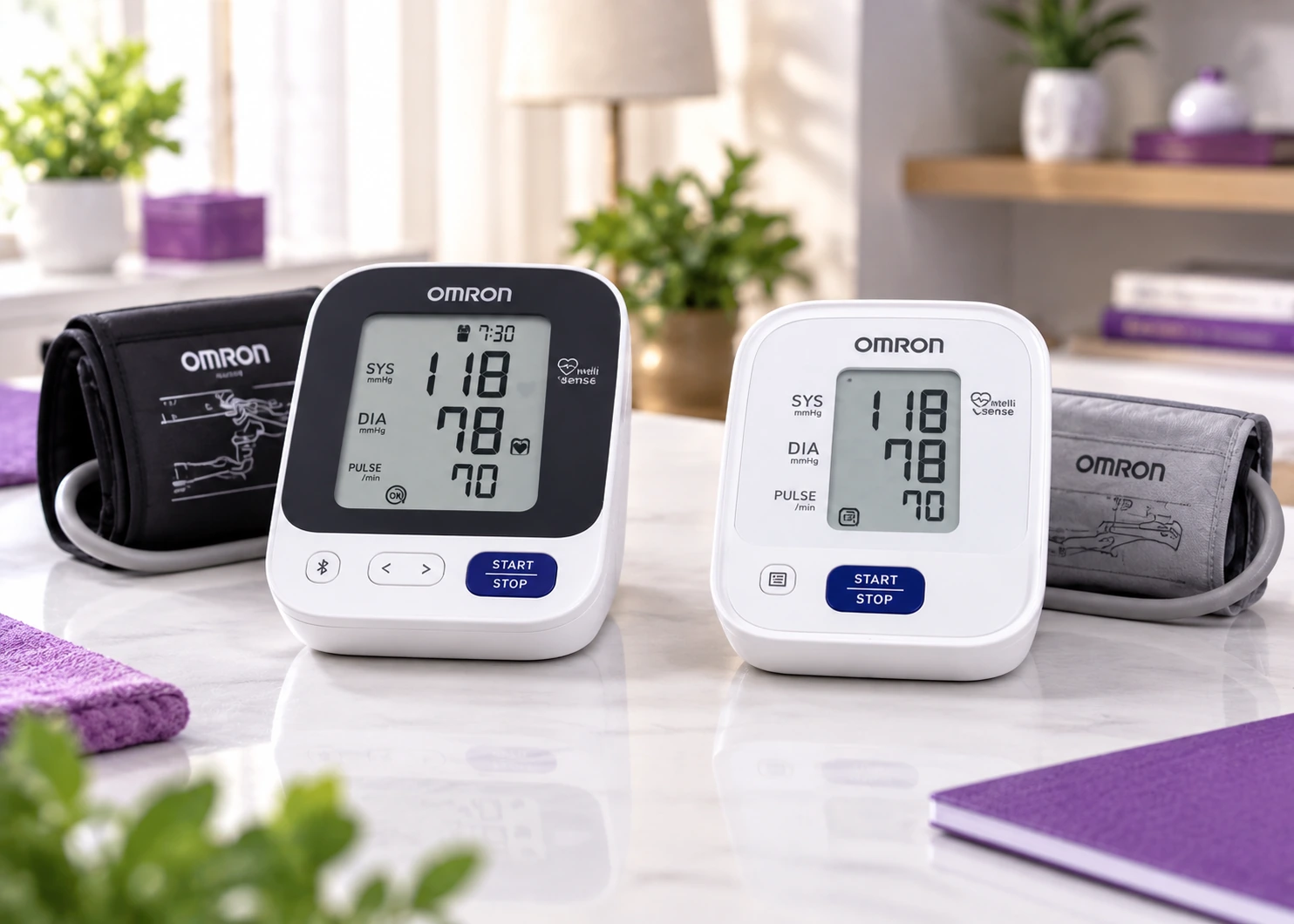
Looking for an Omron Blood Pressure Monitor?
Explore the Omron HEM-7156 and HEM-7121 J on Respikart and compare their specifications, features and listed pricing before ordering.
Explore BP Monitors on RespikartFrequently Asked Questions
What is the listed price of the Omron HEM-7156?
The price stated in the provided Respikart content is ₹2,800.
View Omron HEM-7156 on Respikart →What is the listed price of the Omron HEM-7121 J?
The price stated in the provided Respikart content is ₹1,800.
View Omron HEM-7121 J on Respikart →Which model has 60-reading memory?
The HEM-7156 has storage for up to 60 measurements according to the provided product information.
Does the HEM-7156 average the last three readings?
Yes. The provided information states that the HEM-7156 provides an average of the last three readings.
Does the HEM-7156 have irregular heartbeat detection?
Yes. The provided comparison lists irregular heartbeat detection for the HEM-7156.
Does the HEM-7121 J have irregular heartbeat detection?
Yes. The provided product information lists irregular heartbeat detection for the HEM-7121 J.
Which one is simpler to operate?
The HEM-7121 J has a more focused feature set and one-touch operation, making the measurement process straightforward.
Can a home BP monitor replace a doctor?
No. A home BP monitor provides measurements that can be useful for tracking and discussion with a healthcare professional. It does not replace professional medical evaluation.
What should I do if the irregular heartbeat indicator repeatedly appears?
The indicator is not a diagnosis. If it repeatedly appears, especially alongside concerning symptoms, discuss the readings with an appropriate healthcare professional.

Explore BP Monitors on Respikart
Respikart offers blood pressure monitoring equipment for home healthcare requirements. You can explore the available BP monitor range through the category page or visit the individual product pages for the models discussed in this guide.
For pricing, bulk orders or availability in Delhi NCR, contact Respikart at 9810061827.
Explore Respikart BP Monitors