

CPAP MACHINE, Oxygen Concentrator
7 Common Mistakes Families Make When Setting Up Medical Equipment at Home
Sep
7 Mistakes Families Make When Setting Up Medical Equipment at Home
Setting up medical equipment at home is about more than simply bringing a machine into the house. Learn the common mistakes families should avoid when arranging oxygen concentrators, hospital beds, CPAP, BiPAP and other home-care equipment.
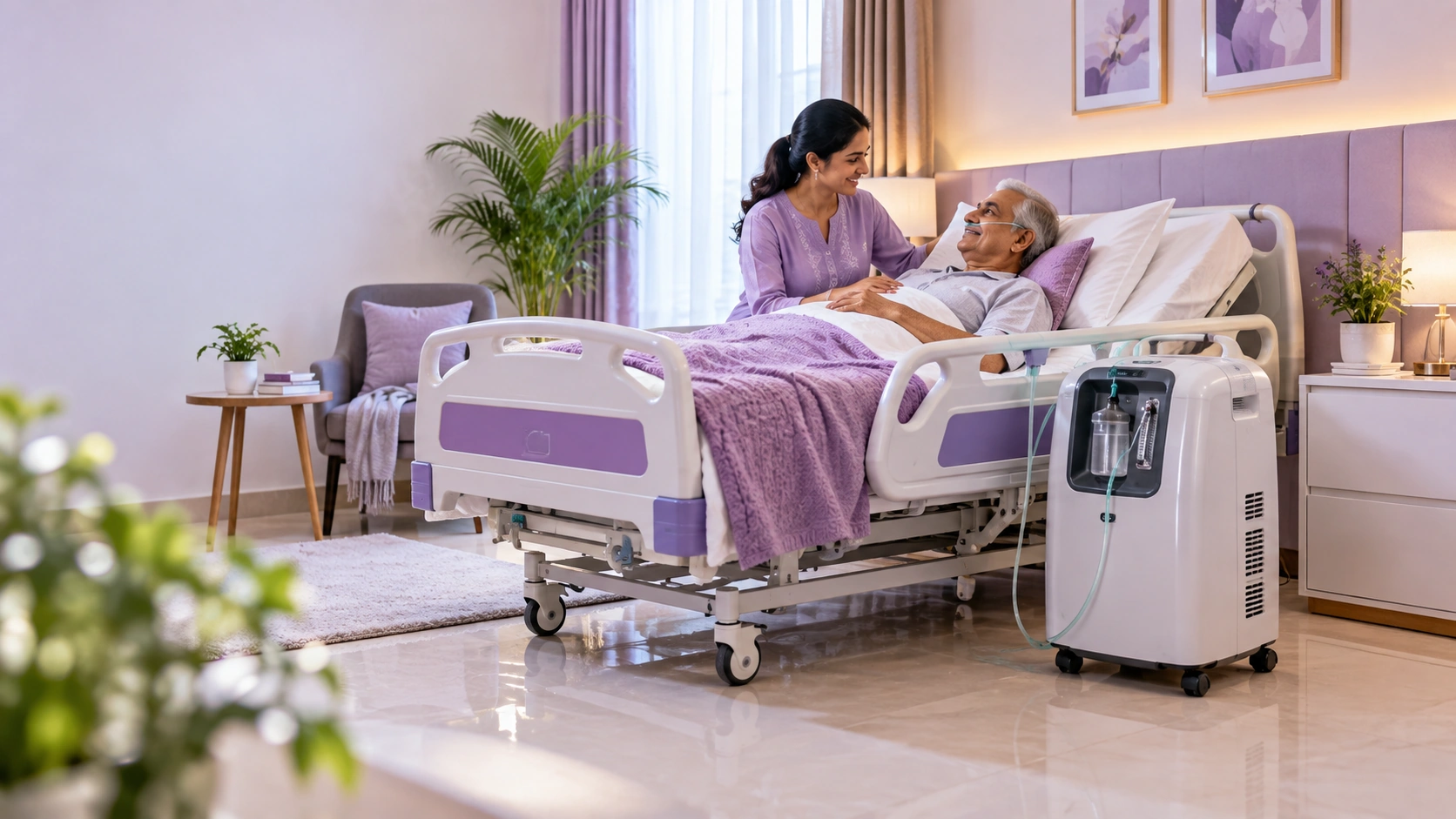
When a patient comes home after hospitalization, surgery, illness or intensive treatment, families may suddenly need to arrange medical equipment such as an oxygen concentrator , hospital bed , CPAP, BiPAP, oxygen cylinder or suction machine.
However, simply bringing medical equipment into the home is not enough. Correct placement, safe operation, proper maintenance and caregiver awareness are equally important.
Families often need to make these arrangements quickly, which means small setup mistakes can easily happen. This guide explains the seven most common mistakes and practical ways to avoid them.
Correct Placement
Keep equipment accessible, stable and appropriately ventilated.
Electrical Safety
Check power connections and avoid overloaded or unsafe sockets.
Safe Operation
Understand the equipment before using it independently.
Why Proper Medical Equipment Setup Matters
Home healthcare is different from a hospital environment. At home, family members and caregivers often handle the day-to-day operation of medical equipment.
A good home setup should consider patient comfort, equipment accessibility, electrical safety, ventilation, tubing management, cleaning, emergency preparedness and caregiver understanding.
Whether you are using an oxygen concentrator temporarily or renting a hospital bed for several months, proper setup can make everyday home care easier.
Placing Medical Equipment Anywhere There Is Space
One of the first mistakes families make is choosing a location based only on convenience.
For example, an oxygen concentrator may be pushed against a wall, placed behind furniture or kept inside a closed cabinet simply because that area is available.
Medical equipment should instead be positioned according to the manufacturer’s instructions and the practical needs of the patient.
Why Location Matters
- Adequate ventilation
- Stable flooring
- Easy access to power
- Sufficient space around the equipment
- Easy caregiver access
- Minimal obstruction around tubes and cables
Ignoring Electrical Safety
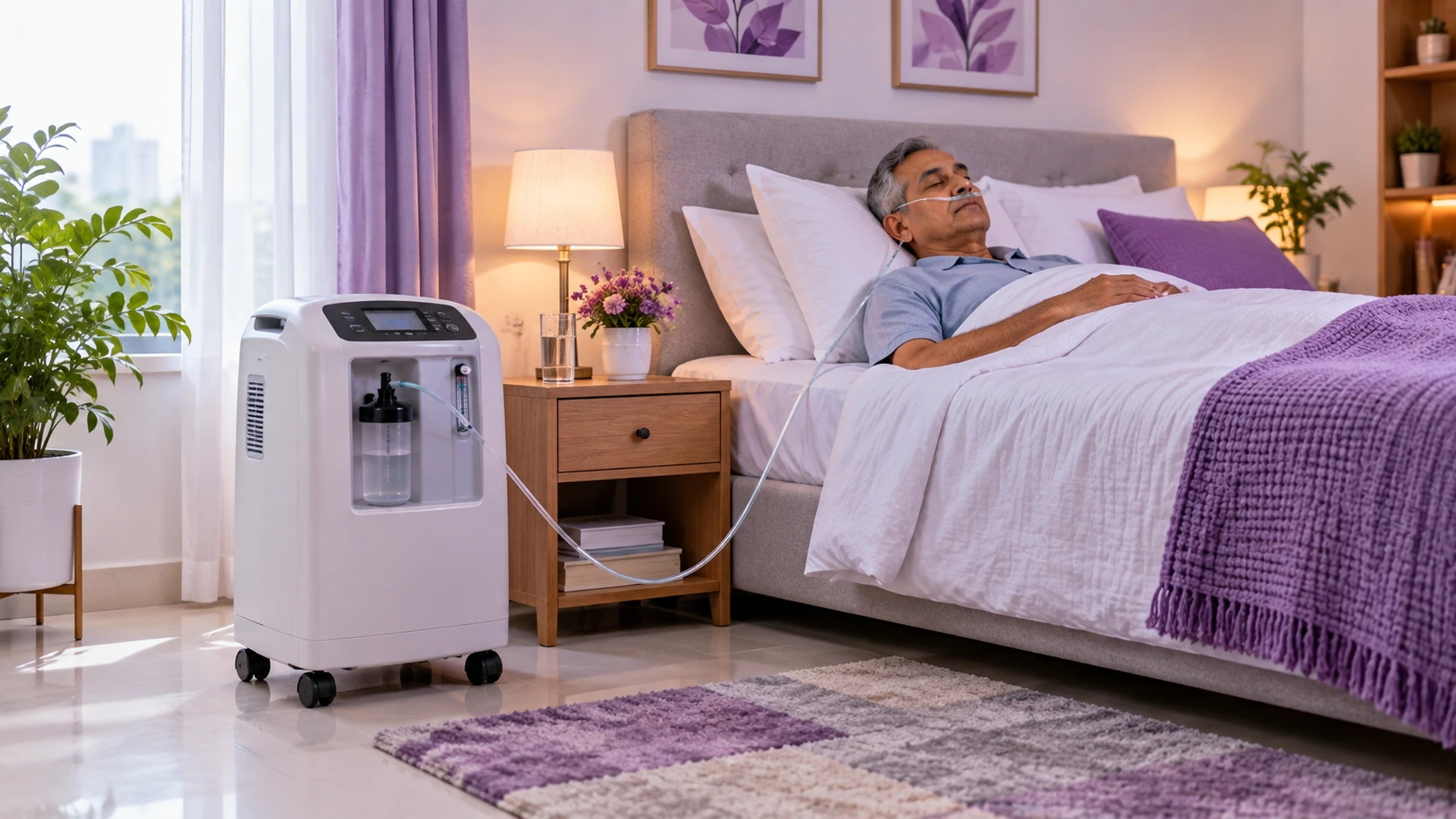
Oxygen concentrators, CPAP machines, BiPAP machines, suction machines, patient monitors and electric hospital beds may require continuous electrical power.
Families sometimes connect several devices to overloaded extension boards or use loose electrical sockets.
Common Electrical Mistakes
- Using damaged cables
- Using loose electrical sockets
- Overloading extension boards
- Keeping electrical connections near water
- Running cables across walking areas
- Using an unsuitable backup power system
What Should You Check?
- Check the manufacturer’s electrical requirements.
- Use an appropriate electrical outlet.
- Keep cables dry and away from water.
- Avoid overloading a single extension board.
- Keep cables organized.
- Inspect plugs and wires for visible damage.
Incorrectly Connecting Tubing, Masks or Accessories
Oxygen concentrators, CPAP machines, BiPAP machines and suction machines may involve several accessories.
A common mistake is assuming that every tube, mask or connector can be connected in any configuration.
Common Problems
- Loose tubing connections
- Kinked oxygen tubing
- Incorrect mask fitting
- Blocked filters
- Incorrect accessory connections
- Tubing trapped underneath furniture
For oxygen therapy, make sure the tubing is securely connected and is not crushed underneath a bed, chair or other furniture.
Forgetting Regular Cleaning and Maintenance
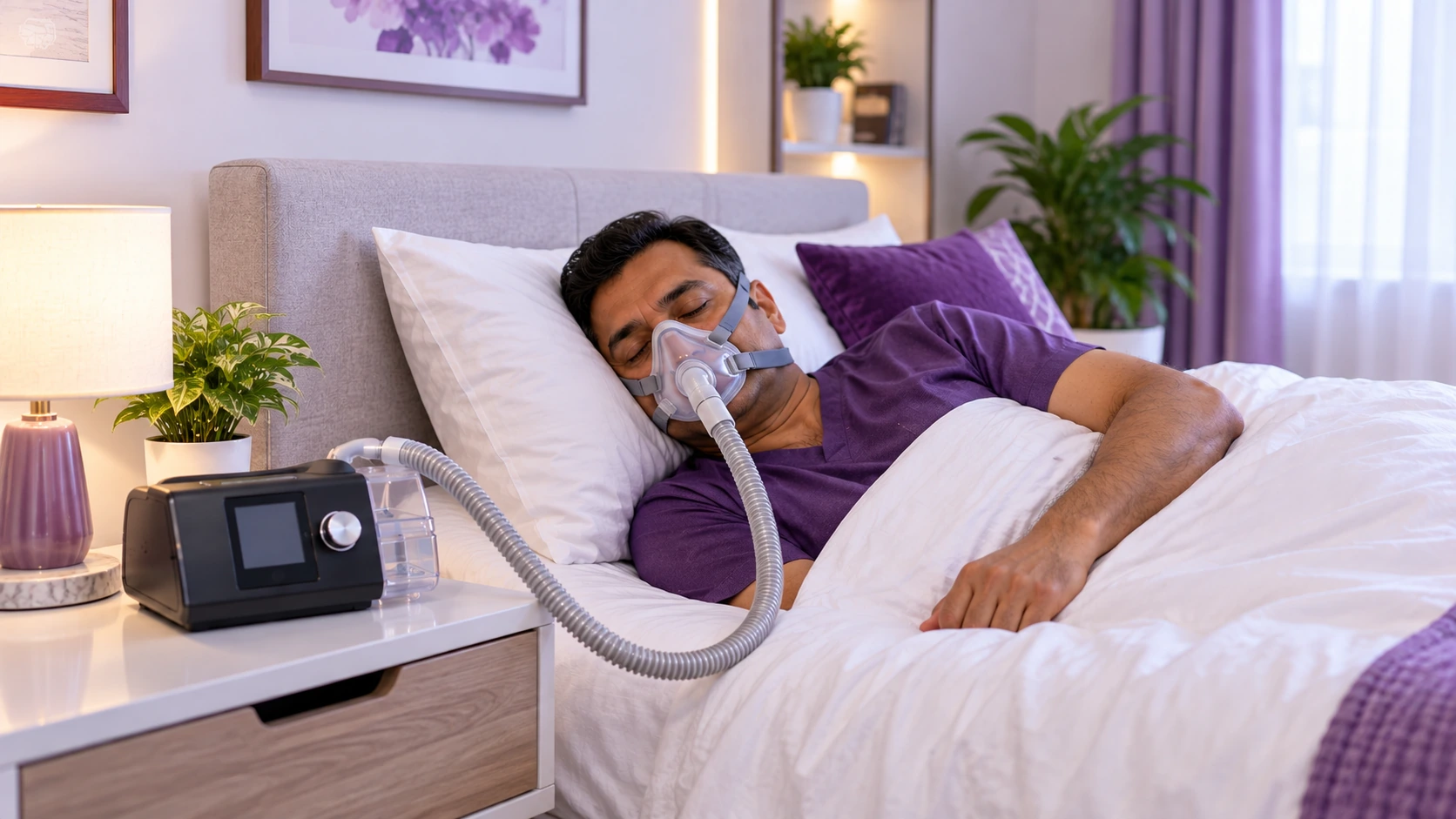
Getting medical equipment delivered is only the beginning. Equipment used regularly at home also needs appropriate cleaning and maintenance according to manufacturer instructions.
Equipment That May Require Regular Attention
- CPAP masks
- BiPAP masks
- CPAP/BiPAP tubing
- Humidifier chambers
- Oxygen concentrator filters
- Suction accessories
- Nasal cannulas
- Patient-contact surfaces
A Simple Maintenance Routine
Daily or after use: Check the equipment, tubing and visible connections.
Regularly: Clean reusable components according to manufacturer instructions.
Periodically: Inspect filters and replace components when recommended.
⚠️ Mistake 5: Keeping Oxygen Equipment Near Fire or Heat
Families using oxygen concentrators or oxygen cylinders should pay particular attention to fire safety.
Oxygen itself does not burn, but it can cause fires to burn more intensely.
Keep oxygen equipment away from:
- Cigarettes
- Gas flames
- Candles
- Incense sticks
- Diyas
- Open flames
- Sparks
- Heat-producing appliances
No smoking or open flames around medical oxygen equipment.
If you are looking for an Oxygen Concentrator on Rent in Delhi NCR , Respikart Rentals offers multiple oxygen concentrator rental options, subject to availability.
Not Preparing for Power Cuts or Emergencies
A home equipment setup can work perfectly for weeks and still encounter an unexpected problem.
Electricity may go out, tubing may disconnect, a mask may become uncomfortable or a caregiver may not know whom to contact.
Create a Home Medical Equipment Emergency Plan
- Keep the equipment provider’s contact number accessible.
- Keep the treating healthcare professional’s contact details available.
- Understand what to do during a power failure.
- Follow any recommended backup-power plan.
- Keep essential compatible accessories available.
- Know when emergency medical assistance is required.
For families who need a backup oxygen source, you can also explore Oxygen Cylinders on Rent in Delhi NCR from Respikart Rentals.
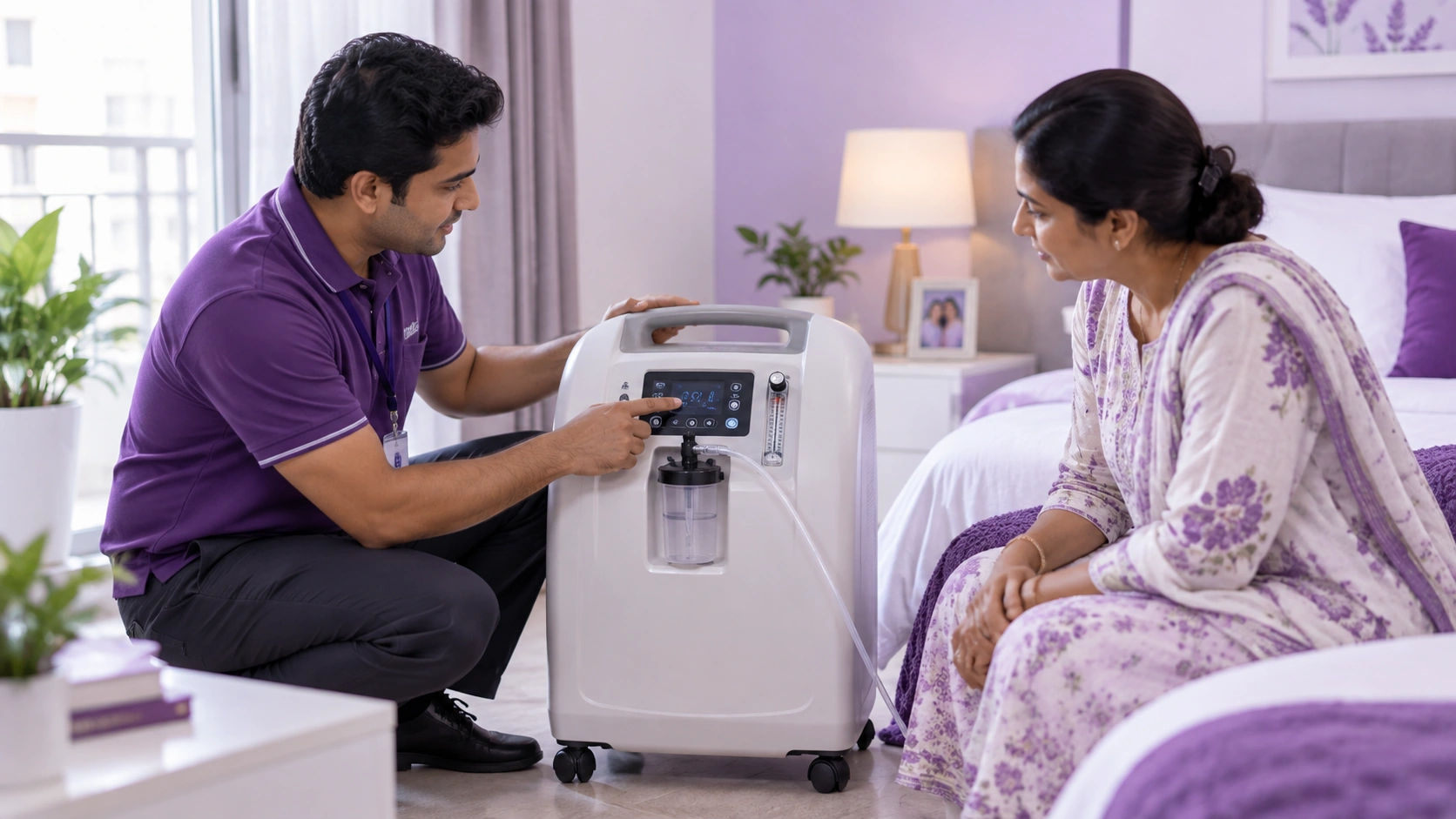
Not Asking for a Proper Equipment Demonstration
A family receives the equipment, looks at the controls and thinks:
“It looks simple. We’ll figure it out.”
This approach can create unnecessary confusion because medical equipment may have specific operating procedures, alarms, maintenance requirements and safety precautions.
Before Using the Equipment, Ask:
- How do we start and stop the machine?
- What do the indicators mean?
- What do the alarms mean?
- How should it be cleaned?
- Which components require replacement?
- What should we do if the machine stops?
- Who should we contact for technical support?
- What should we do during a power cut?
- Which settings should not be changed?
A short demonstration can make family members much more confident before they need to use the equipment independently.
Bonus Mistake: Changing Medical Settings Without Professional Guidance
Many medical devices have adjustable settings. However, adjustable settings do not mean that patients or family members should change them without professional guidance.
Do not independently change prescribed oxygen flow, CPAP pressure, BiPAP pressure or other clinically prescribed parameters because you believe a higher or lower setting might work better.
How to Set Up a Medical Equipment Area at Home
Step 1: Choose a Suitable Location
Select a clean, accessible area that is appropriate for the specific equipment and follows the manufacturer’s requirements.
Step 2: Check Power Access
Make sure required electrical connections are available without creating a tripping hazard.
Step 3: Organize Tubing and Cables
Keep tubes and cables arranged neatly. Avoid sharp bends and keep them away from walking paths.
Step 4: Keep Accessories Together
Use a clean, designated area for accessories and consumables.
Step 5: Keep Instructions Accessible
Keep the equipment manual and supplier contact information nearby.
Step 6: Train Family Members
Whenever possible, more than one caregiver should understand the basic operation and safety requirements.
Different Medical Equipment Requires Different Setup Considerations
Oxygen Concentrator
- Proper ventilation
- Appropriate electrical connection
- Correct tubing connection
- Fire safety
- Filter maintenance
- Power-cut planning
Oxygen Cylinder
- Safe positioning
- Proper handling
- Fire safety
- Appropriate storage
- Correct regulator/accessory use
Hospital Bed
- Stable placement
- Adequate caregiver access
- Safe use of bed functions
- Cable management for electric models
- Clear surrounding space
CPAP / BiPAP
- Correct mask and tubing connection
- Appropriate machine placement
- Humidifier care if applicable
- Regular cleaning
- Following prescribed settings
Home Medical Equipment Rental: What Families Should Check
If you are renting medical equipment instead of purchasing it, ask the rental provider a few questions before accepting the equipment.
- Is the equipment suitable for my requirement?
- Is the equipment cleaned and prepared before delivery?
- Is installation or demonstration available?
- What happens if the equipment develops a problem?
- What accessories are included?
- How long can the equipment be rented?
- Is delivery available to my location?
When Renting Medical Equipment Makes Sense
Buying medical equipment may not always be practical when the requirement is temporary.
A patient recovering from surgery may need a hospital bed for only a few weeks. Someone recovering at home may temporarily require an oxygen concentrator. A patient beginning sleep therapy may also prefer to rent a CPAP or BiPAP machine before making a longer-term decision.
In such situations, medical equipment rental can provide a flexible alternative to purchasing equipment outright.
Medical Equipment on Rent in Delhi NCR
For families in Delhi NCR, arranging medical equipment quickly can be particularly important when a patient is being discharged from hospital or requires immediate home support.
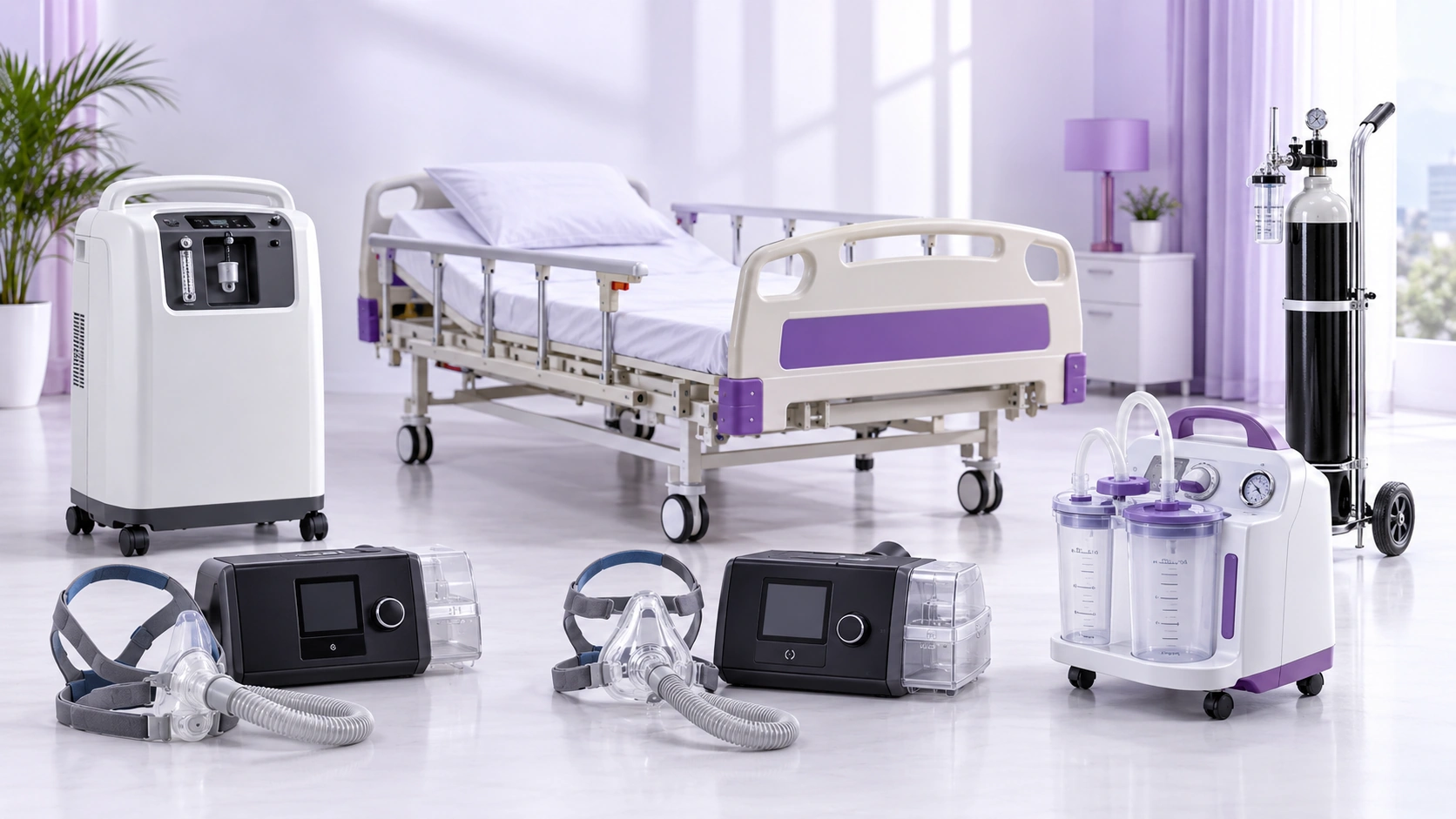
Respikart Rentals provides medical equipment rental options for home-care requirements across Delhi NCR, subject to equipment availability and service area.
Rental categories include:
- Oxygen Concentrators on Rent
- Oxygen Cylinders on Rent
- Hospital Beds on Rent
- CPAP Machines on Rent
- BiPAP Machines on Rent
- Suction Machines
- Patient Monitors
Respikart’s rental service covers locations across Delhi NCR including Delhi, Noida, Greater Noida, Gurgaon/Gurugram, Ghaziabad and Faridabad, subject to availability and service area.
A Simple 10-Minute Home Setup Check
Equipment
- Equipment is placed securely
- Controls are accessible
- No visible damage is present
Electrical
- Power connection is appropriate
- Cables are safely positioned
- No overloaded socket or unsafe connection
Tubing
- Tubes are connected properly
- Tubing is not kinked
- Tubing is not trapped underneath furniture
Safety
- Oxygen equipment is away from flames
- Smoking is prohibited around oxygen equipment
- Equipment is in an appropriate location
Caregiver
- At least one caregiver understands basic operation
- Instructions are available
- Provider contact number is accessible
Emergency
- Power-cut plan is understood
- Healthcare professional contact is available
- Equipment provider contact is available
Frequently Asked Questions
What medical equipment can be used at home?
Where should an oxygen concentrator be placed at home?
Can I change CPAP or BiPAP pressure myself?
What should I do if medical equipment stops working during a power cut?
Is it better to buy or rent medical equipment?
Should rented medical equipment be cleaned?
Can hospital beds be rented for home use?
Can I rent an oxygen concentrator in Delhi NCR?
What should I check before renting medical equipment?
Why is proper equipment setup important?
Need Medical Equipment on Rent in Delhi NCR?
Explore Respikart Rentals for oxygen concentrators, oxygen cylinders, hospital beds, CPAP, BiPAP and other home-care medical equipment.
Final Takeaway
Setting up medical equipment at home does not have to be complicated. The key is to avoid rushing through the setup process.
Before using any equipment, take time to:
Place it correctly → Connect it correctly → Understand how it works → Follow safety instructions → Maintain it properly → Prepare for emergencies
Whether you are arranging an oxygen concentrator, hospital bed, CPAP machine, BiPAP machine or another type of home-care equipment, proper preparation can make the experience easier for both the patient and caregiver.
If you are looking for medical equipment on rent in Delhi NCR , Respikart Rentals can help you explore suitable rental options based on your requirements and equipment availability.
