
CPAP MACHINE
CPAP Machine Guide: Types, Price & Rent vs Buy in Delhi
CPAP Machine: Complete Guide to Sleep Apnea Therapy, Types, Price & Rent vs Buy in Delhi NCR
Understand how CPAP machines work, the different types available, expected prices in India, important usage tips and whether renting or buying makes more sense for your needs in Delhi NCR.
Why Does CPAP Therapy Matter?
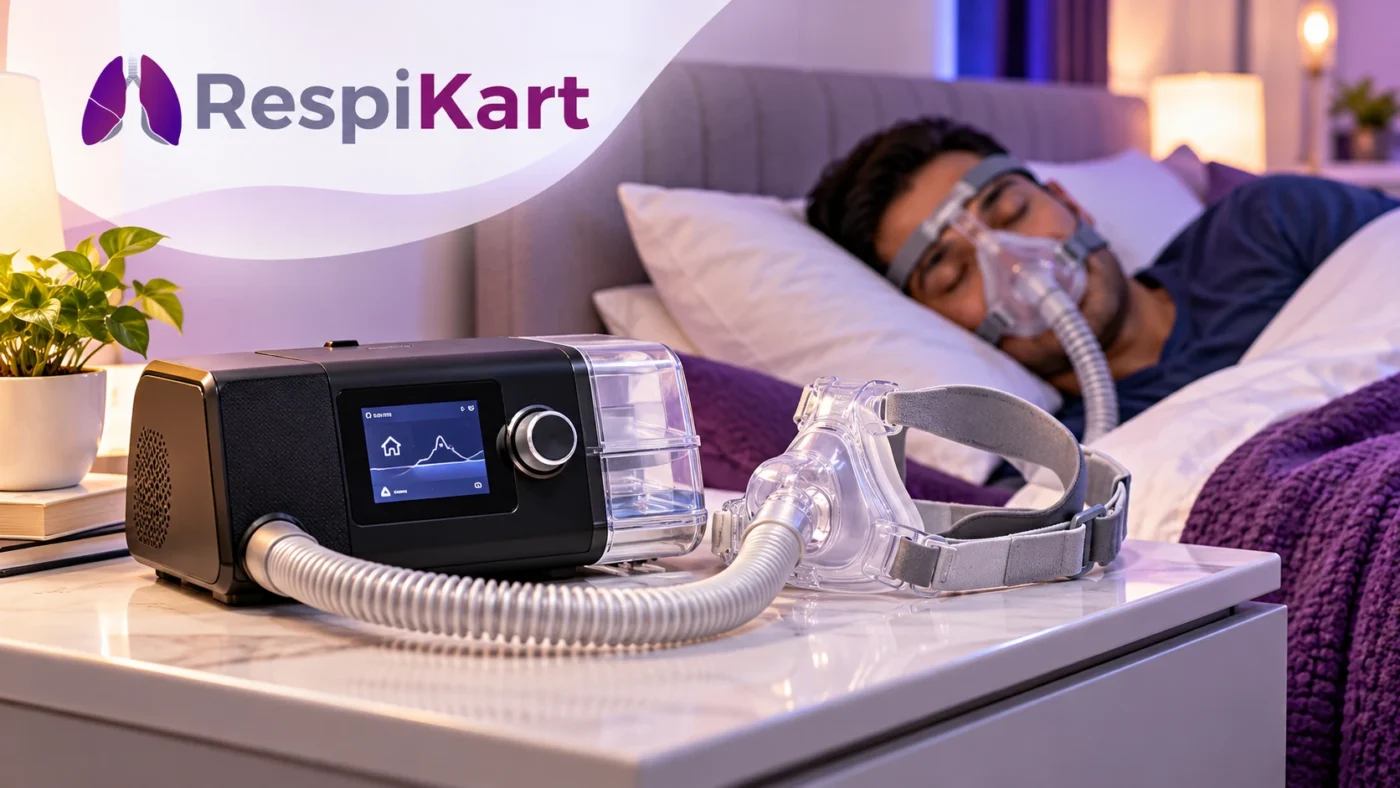
Sleep apnea is more than simply loud snoring. During obstructive sleep apnea, the upper airway can repeatedly narrow or close while a person is asleep. These interruptions can affect sleep quality and may lead to daytime tiredness and other health concerns.
CPAP therapy addresses the mechanical problem by providing positive airway pressure that helps keep the airway open during sleep.
If you are looking for respiratory-care equipment in Delhi NCR, you can explore the CPAP Machines available on Respikart .
What Is a CPAP Machine?
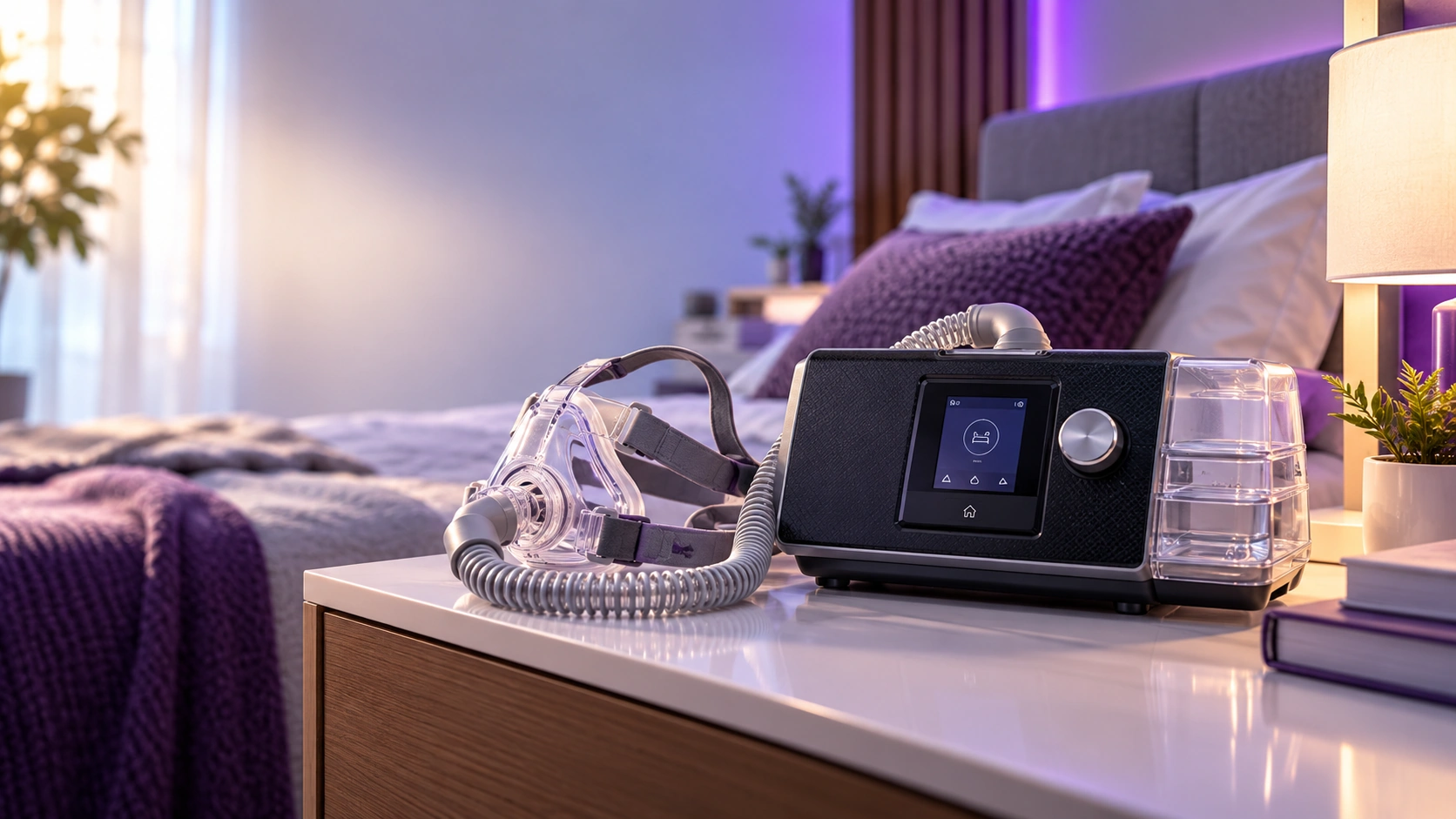
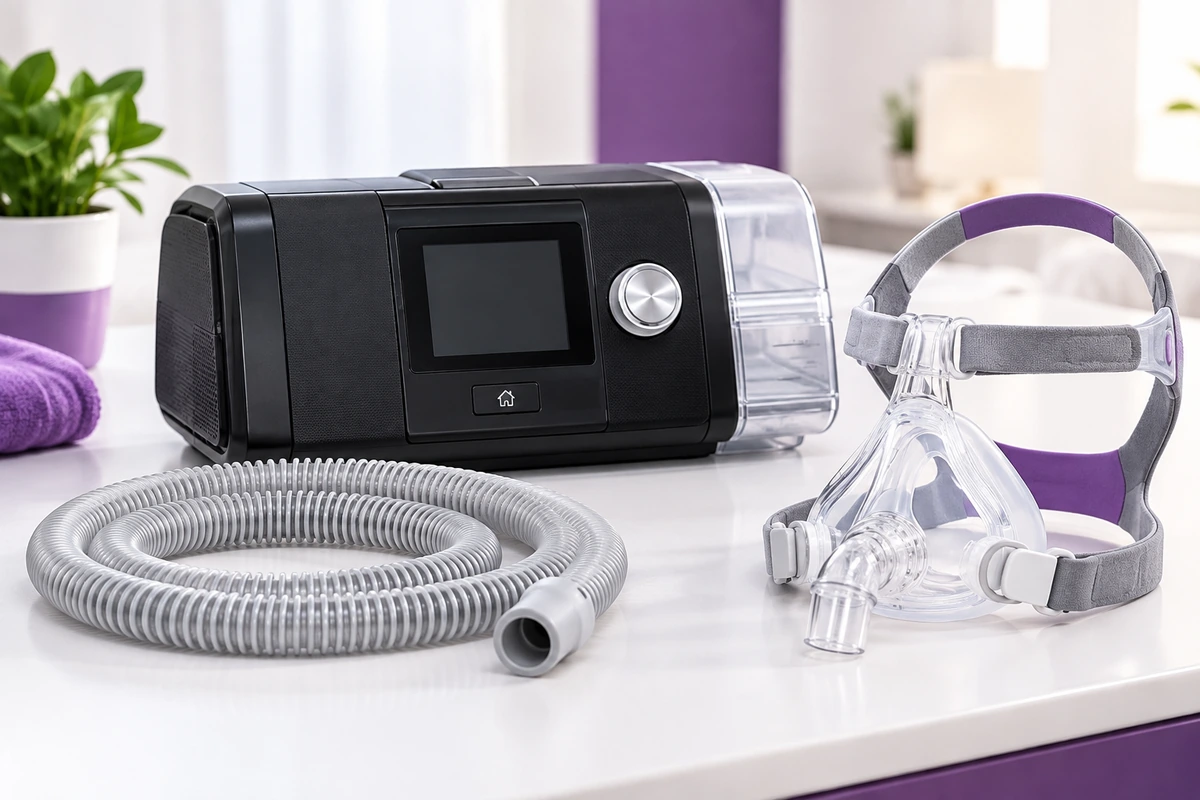
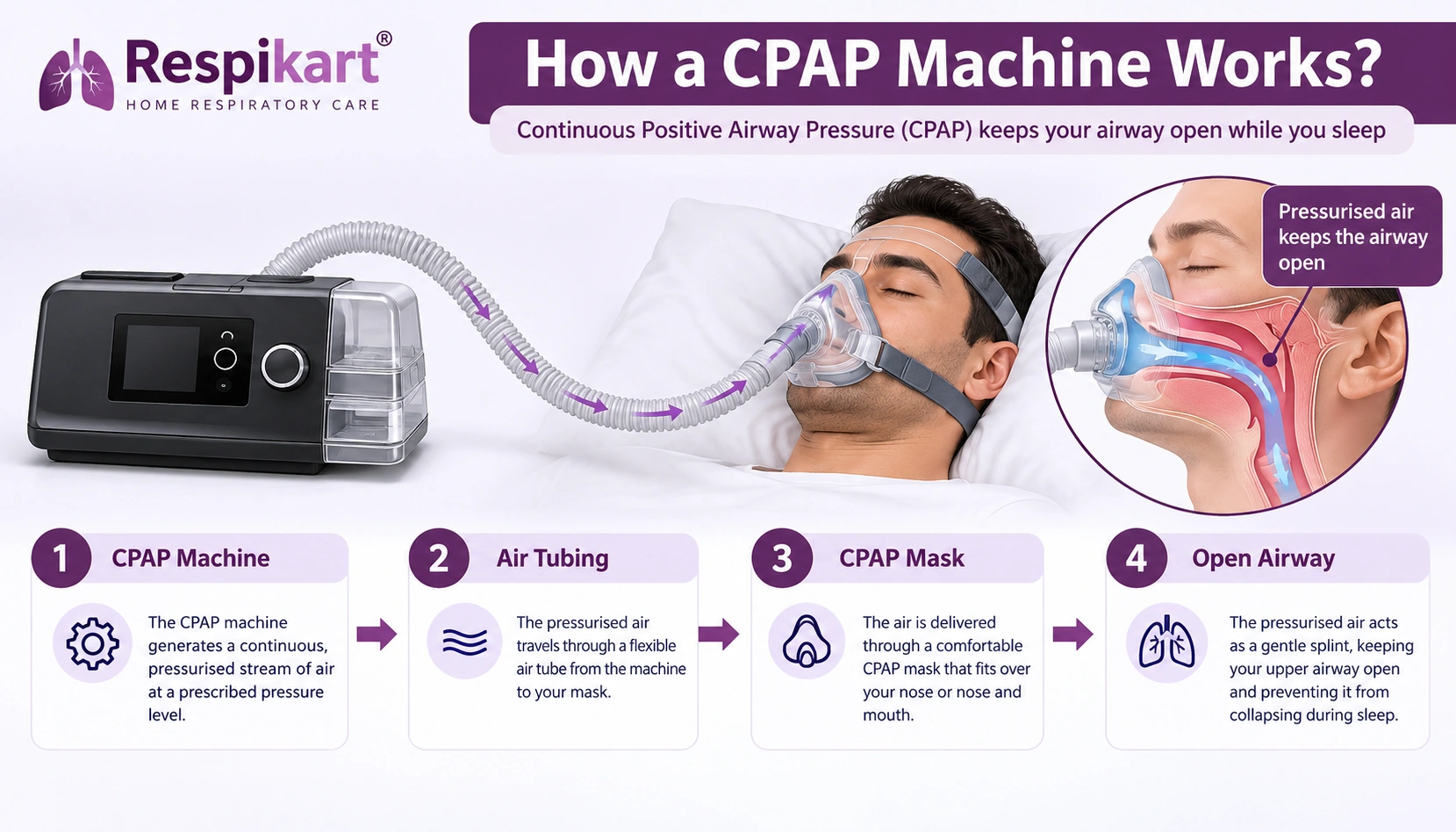
CPAP stands for Continuous Positive Airway Pressure. A CPAP machine draws in room air, filters it, pressurises it and sends the air through tubing into a mask worn during sleep.
The continuous pressure helps prevent the soft tissues in the upper airway from collapsing during sleep. The appropriate pressure should be determined according to the patient’s diagnosis and clinical requirements.
How Does a CPAP Machine Work?
01. Air Intake
The machine draws room air through its filtration system.
02. Pressure
The machine delivers air at a prescribed pressure level.
03. Airway Support
Pressurised air helps prevent airway collapse during sleep.
What Are the Main Types of CPAP Machines?
Fixed Pressure CPAP
A fixed CPAP operates at a prescribed pressure throughout the therapy session. It can be a straightforward option when the required pressure has already been established.
Auto-Adjusting CPAP (APAP)
An Auto CPAP can adjust pressure within a clinician-configured range in response to detected breathing patterns during sleep. This makes APAP machines a popular option for many patients prescribed automatic pressure therapy.
You can browse Auto CPAP Machines at Respikart to compare currently listed models.
Travel CPAP Machines
Travel CPAP machines are designed with portability in mind. They are generally smaller and lighter than many conventional home CPAP units and may be useful for people who travel frequently.
Who May Need a CPAP Machine?
CPAP is commonly prescribed for people diagnosed with obstructive sleep apnea. Some symptoms that may justify discussing sleep apnea with a healthcare professional include:
- Loud or persistent snoring
- Observed pauses in breathing during sleep
- Waking up gasping or choking
- Excessive daytime tiredness
- Morning headaches
- Difficulty concentrating
- Sleep that does not feel refreshing
These symptoms alone do not confirm sleep apnea. A qualified healthcare professional should determine whether a sleep study or other evaluation is appropriate.
CPAP vs BiPAP: What Is the Difference?
A CPAP machine generally provides one continuous positive airway pressure. A BiPAP machine provides different pressure levels for inhalation and exhalation.
CPAP
- Single continuous pressure
- Commonly used for obstructive sleep apnea
- Available in fixed and automatic models
- Usually paired with a suitable CPAP mask
BiPAP
- Different inspiratory and expiratory pressures
- Used for selected respiratory conditions
- Settings depend on clinical requirements
- Should be selected with professional guidance
If you want to understand the difference in more detail, you can also read our BiPAP Machine Guide .
Potential Benefits of CPAP Therapy
- Helps keep the upper airway open during sleep
- Can reduce snoring associated with obstructive sleep apnea
- Can reduce breathing interruptions when therapy is effective
- May improve sleep quality and daytime alertness
- Supports more consistent nighttime breathing
- Can improve sleep quality for both the user and bed partner
Common Challenges When Starting CPAP
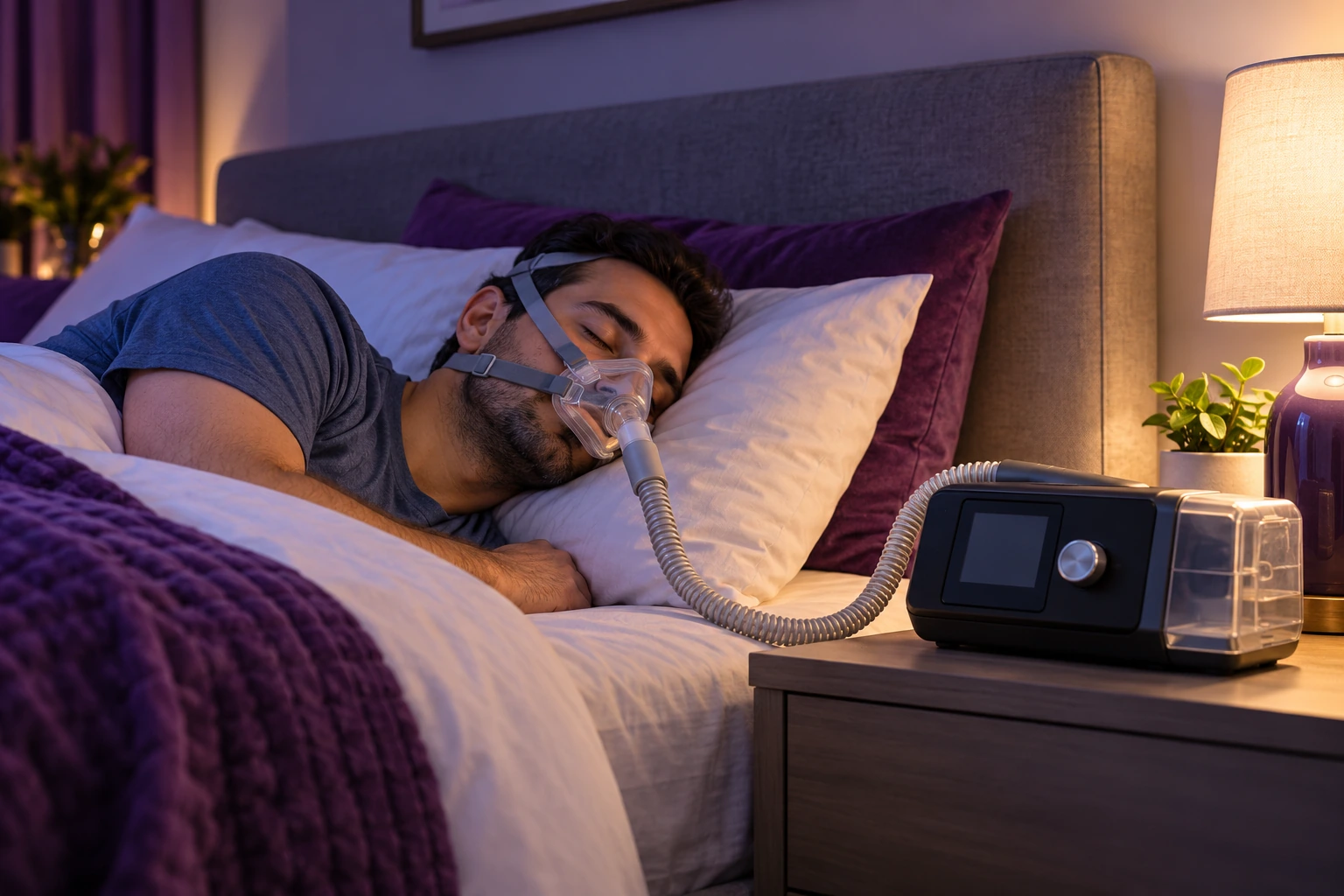
- Mask discomfort or incorrect fitting
- Dry mouth or nasal dryness
- Nasal congestion
- Feeling uncomfortable with the mask
- Air leakage around the mask
- Difficulty getting used to the equipment
Many of these issues can be addressed through mask adjustment, humidification, equipment checks or professional guidance.
How to Use a CPAP Machine: Step-by-Step
Place the machine on a stable, clean surface near the bed.
Use the water recommended by your machine manufacturer.
Securely connect the air tubing between the machine and mask.
Adjust the mask so that it seals comfortably without excessive strap pressure.
Turn the machine on and breathe normally. If your machine has a ramp feature, use it according to the prescribed setup.
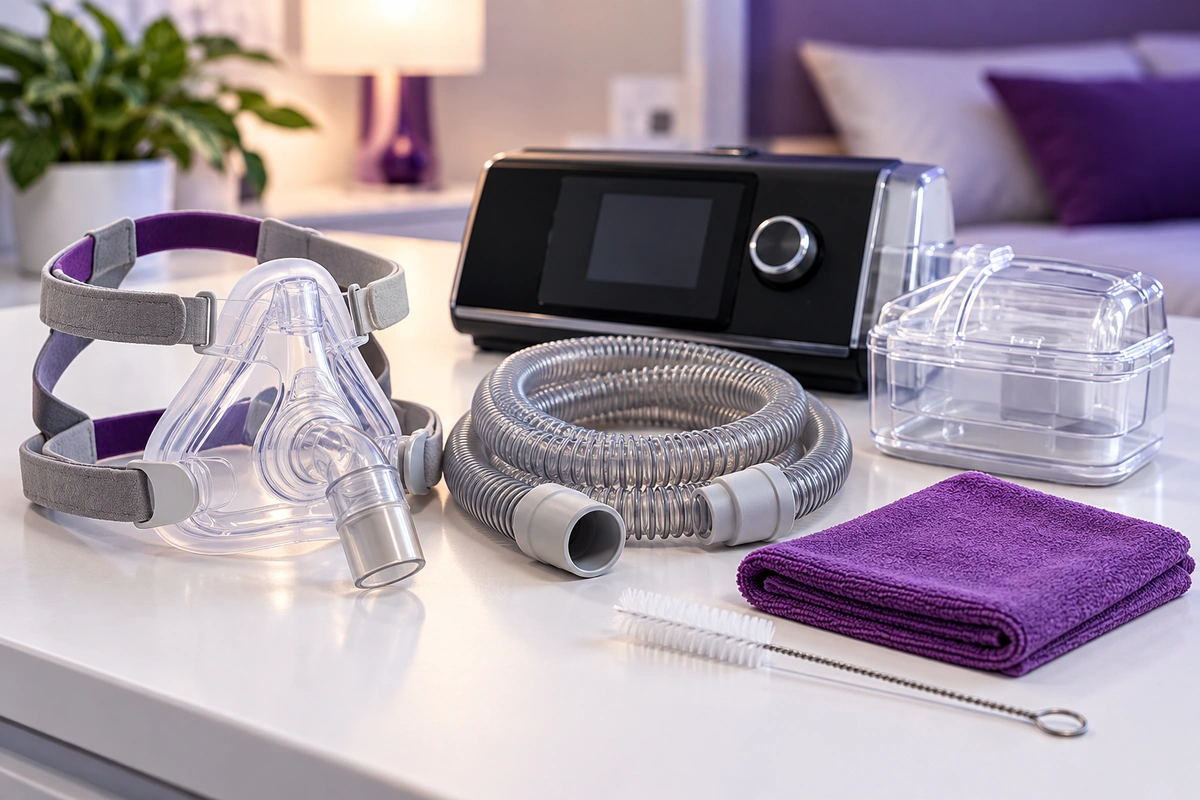
Follow the manufacturer’s recommended cleaning and replacement schedule.
CPAP Machine Price in India: What Should You Expect?
CPAP pricing varies depending on the brand, machine type, humidification, connectivity, data features and other specifications. Current Respikart listings show a range of models across different price points. :contentReference[oaicite:3]{index=3}
| Machine Type | Typical Price Range* | Suitable For |
|---|---|---|
| Basic / Fixed CPAP | Approx. ₹35,000 onwards | Patients prescribed fixed-pressure therapy |
| Auto CPAP / APAP | Approx. ₹35,000–₹1,20,000+ | Patients prescribed automatic pressure therapy |
| Travel CPAP | Varies by model | Frequent travellers |
| CPAP Mask | Varies by type and brand | Nasal, nasal pillow or full-face therapy |
*Prices are indicative only. Actual prices may change based on brand, model, availability, promotions and configuration. Check the current Respikart product listing before purchasing.
Looking for a CPAP Machine?
Explore the latest CPAP and Auto CPAP machines available from Respikart, including models from multiple brands and price ranges.
View CPAP Machines View Auto CPAPCPAP Machine on Rent vs Buy in Delhi NCR
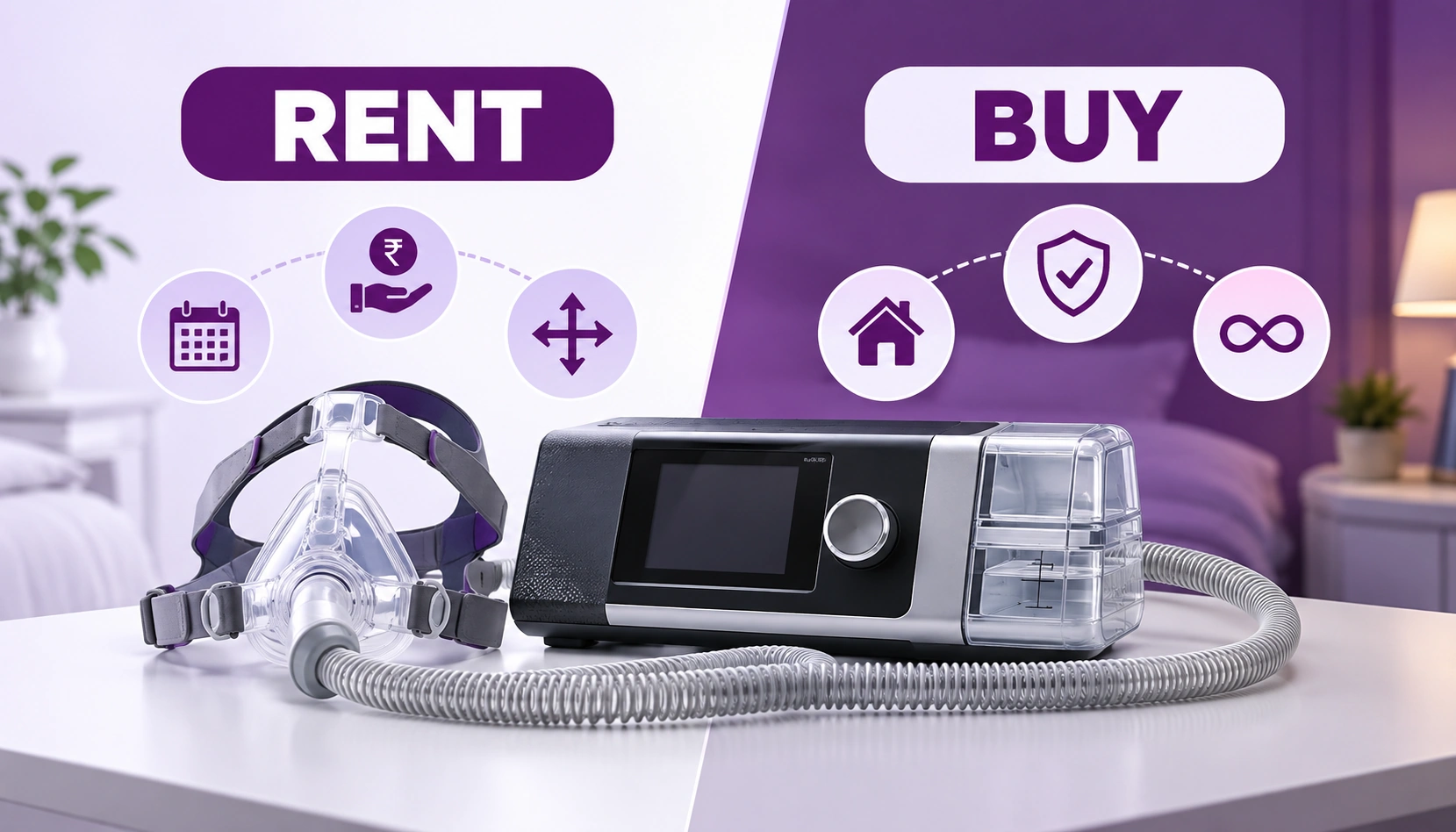
For many first-time users, the question is not only which CPAP machine to choose, but whether to rent or buy it. The answer depends on the expected duration of use, clinical recommendation, budget and familiarity with CPAP therapy.
When Renting May Make Sense
- You are using CPAP for the first time
- You want to understand your comfort with the therapy
- Your requirement is temporary
- Your pressure or equipment requirements are still being adjusted
- You want to avoid a large upfront purchase
When Buying May Make Sense
- You expect long-term nightly use
- You are comfortable with CPAP therapy
- You need a particular machine or feature set
- You want to avoid recurring rental payments
- You want to use the manufacturer’s warranty
Need a CPAP Machine in Delhi NCR?
Respikart provides respiratory-care equipment for patients and home healthcare requirements across Delhi NCR. Explore available CPAP equipment and contact the Respikart team for assistance with product selection and availability.
Visit Respikart Explore Medical EquipmentLatest Developments in CPAP Technology
Modern CPAP machines increasingly focus on quieter operation, compact designs, comfort features and therapy-data monitoring. Depending on the model, users may have access to detailed therapy information that can help healthcare professionals review treatment.
For example, some current Respikart listings include Auto CPAP machines with features such as humidification, therapy data, ramp functionality and connectivity options. :contentReference[oaicite:4]{index=4}
Common CPAP Mistakes to Avoid
- Starting CPAP without appropriate medical diagnosis or prescribed settings.
- Ignoring mask leakage or discomfort.
- Skipping regular cleaning of the mask and tubing.
- Using unsuitable water in a humidifier instead of following the manufacturer’s instructions.
- Giving up too quickly because the first few nights feel unfamiliar.
- Continuing with a mask that does not fit properly.
Best Practices for CPAP Users
- Use the machine consistently according to your prescribed therapy.
- Clean the mask, tubing and humidifier components according to manufacturer recommendations.
- Check for air leaks and make sure the mask fits correctly.
- Replace filters, cushions and other consumables according to manufacturer recommendations.
- Keep your machine in a clean, dry and dust-free location.
- Discuss persistent discomfort or therapy problems with your healthcare professional or equipment provider.
Key Takeaways
- CPAP provides positive airway pressure to help keep the airway open during sleep.
- A proper diagnosis should come before selecting therapy settings.
- Fixed CPAP and Auto CPAP are two common types of machines.
- Prices vary significantly by brand, model and features.
- Renting can be useful for temporary requirements or first-time users.
- Buying can be considered when long-term therapy is expected.
- Mask fit, cleaning and consistent use are important parts of CPAP care.
Explore CPAP & Respiratory Care Equipment
Whether you are comparing CPAP machines, Auto CPAP models, BiPAP machines or other respiratory-care equipment, explore the current range available on Respikart.
Shop CPAP Machines Visit RespikartFrequently Asked Questions About CPAP Machines
Q1. What is the difference between CPAP and BiPAP?
Q2. How do I know if I need a CPAP machine?
Q3. Is it better to rent or buy a CPAP machine in Delhi NCR?
Q4. How much does a CPAP machine cost in India?
Q5. How often should I clean my CPAP mask and tubing?
Q6. Can I use tap water in my CPAP humidifier?
Q7. How long does it take to get used to a CPAP machine?
Q8. Do I need a prescription for CPAP therapy?
