

CPAP MACHINE, Sleep Apnea
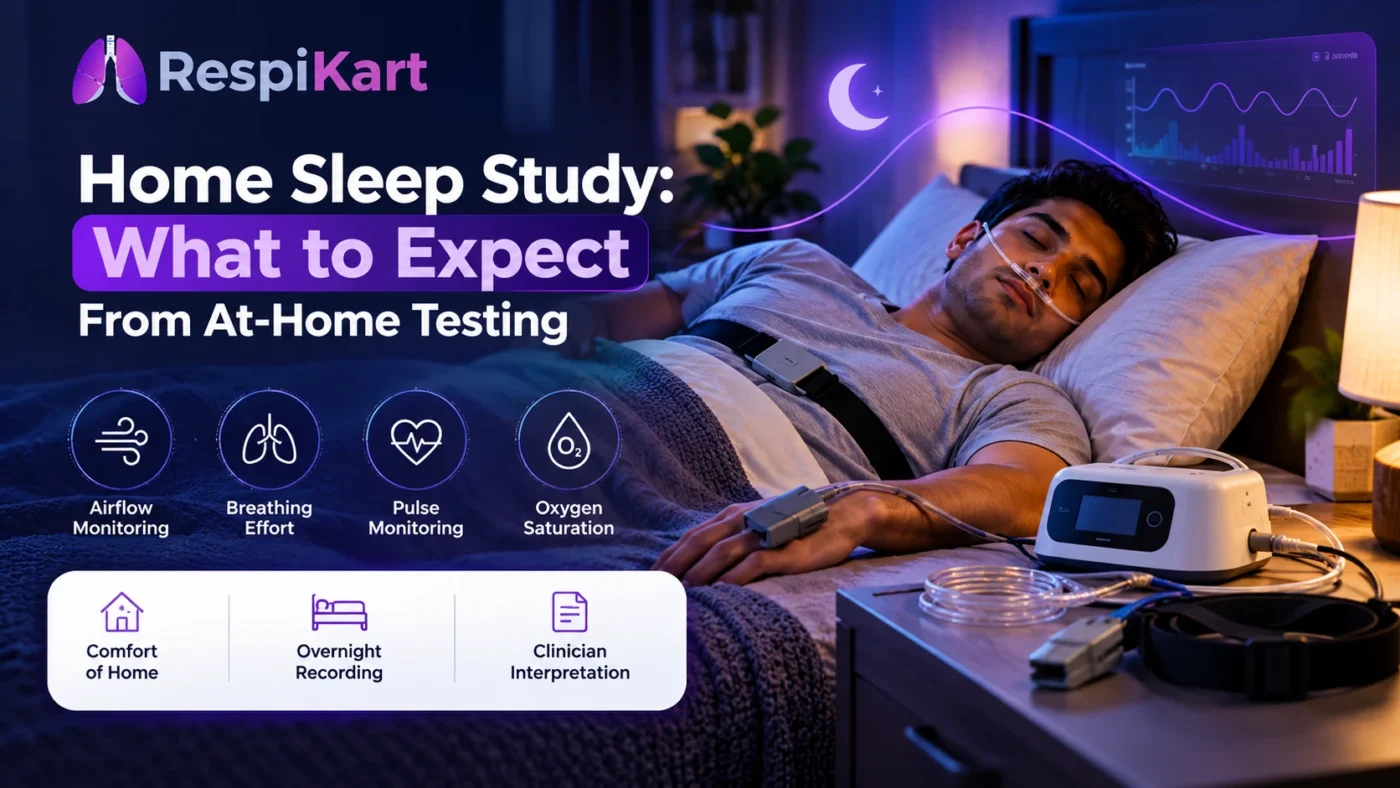
Home Sleep Study: What to Expect From At-Home Testing
Home Sleep Study: What to Expect From At-Home Testing
Understand how a home sleep apnea test works, what the sensors measure, how the results are interpreted, and when an in-lab sleep study may be needed.
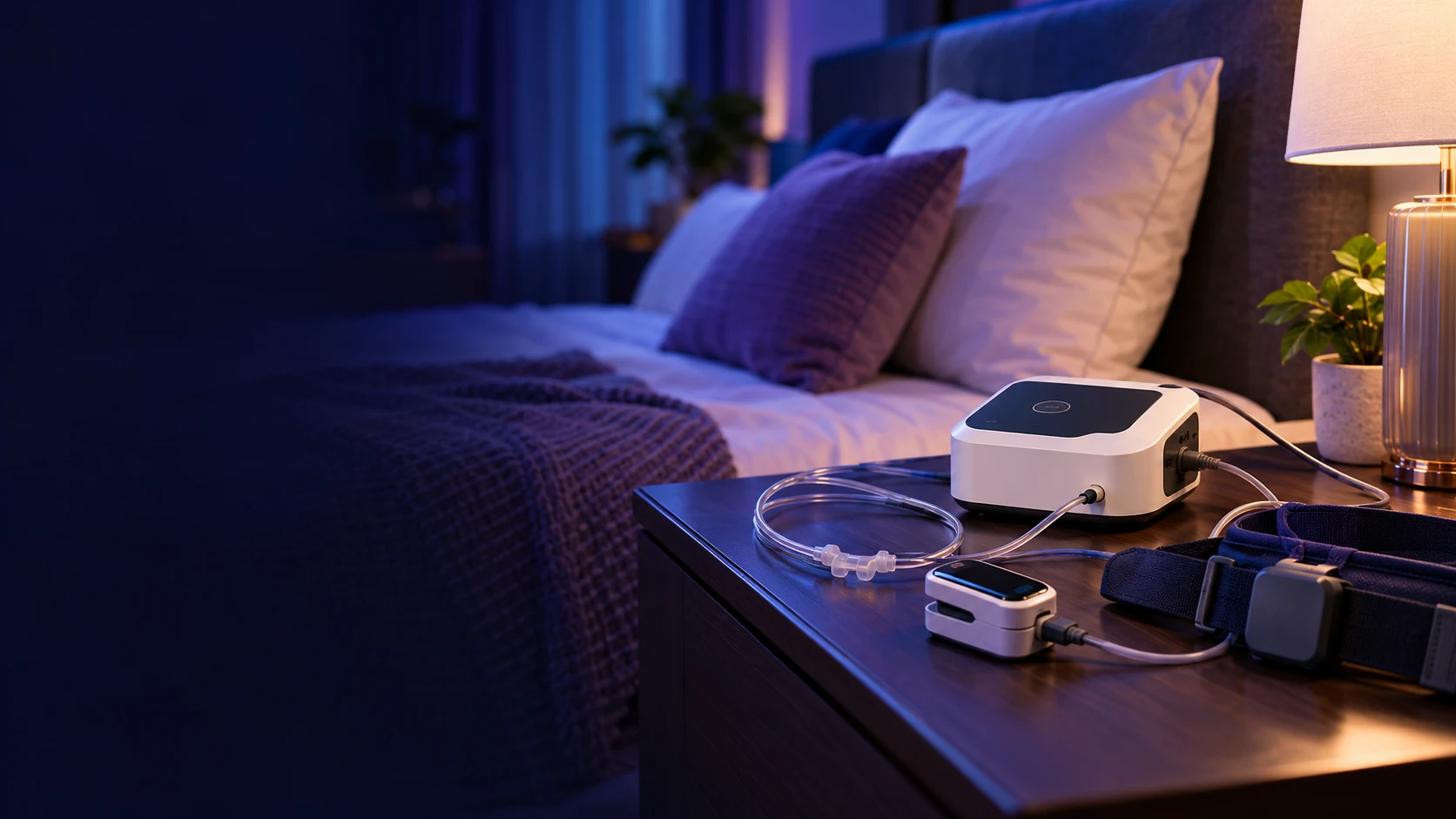
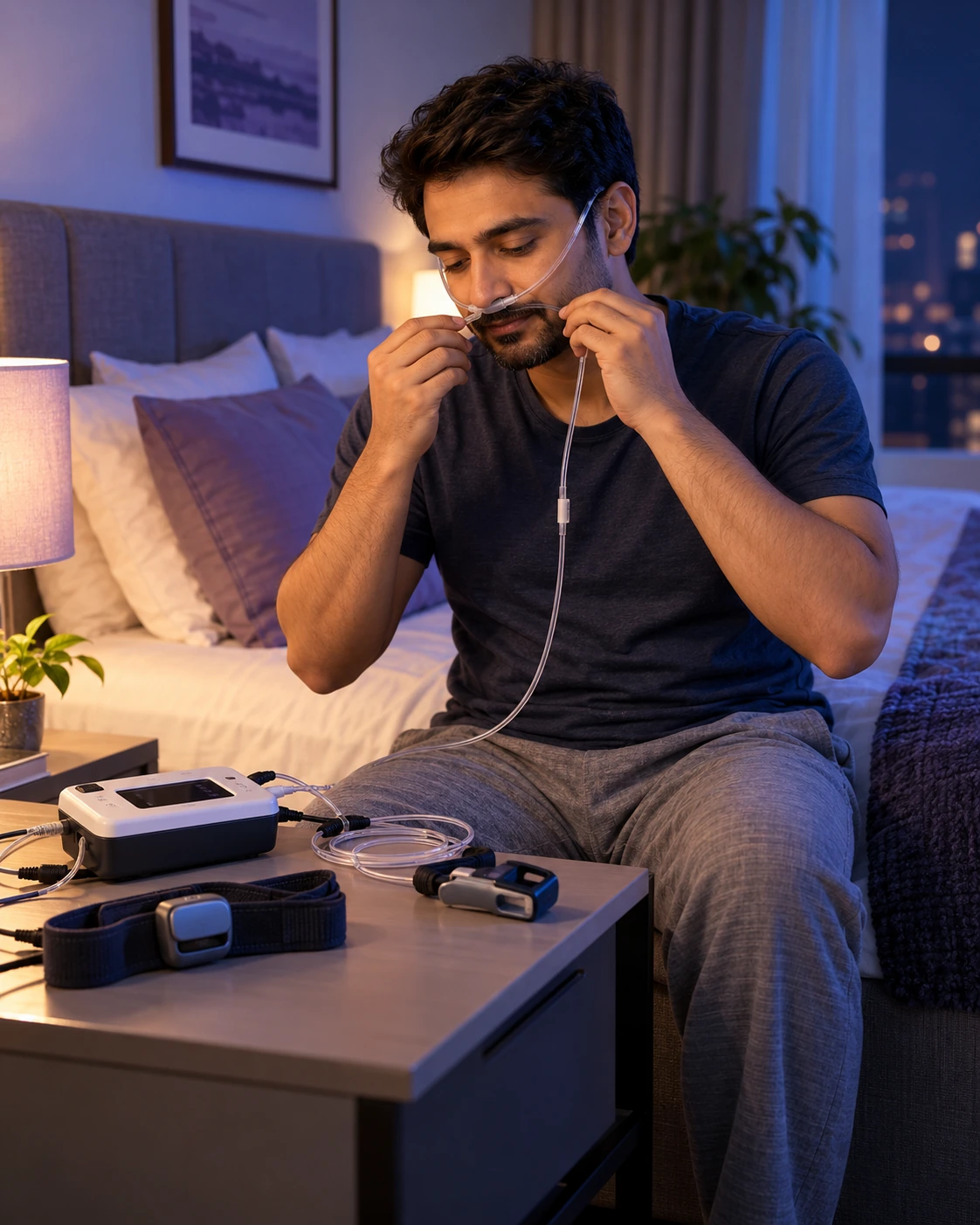
A home sleep study is an overnight test performed in your own bed to look for obstructive sleep apnea. You normally attach a few sensors before going to sleep, leave the equipment running overnight, and return it the next day.
A qualified clinician reviews the recording alongside your symptoms and medical history. If the result is negative, incomplete or does not fit the symptoms, an in-lab sleep study may be needed.
Why Home Sleep Testing Matters
Sleep apnea can be easy to overlook. Some people notice loud snoring or witnessed breathing pauses, while others mainly experience daytime tiredness or unrefreshing sleep.
A home study can remove some of the practical barriers associated with spending a night in a sleep laboratory. You sleep in your usual room and use a compact set of sensors.
That convenience does not make home testing a universal replacement for laboratory testing. The appropriate test depends on symptoms, medical history and the clinical question being investigated.
The Sensors Are Designed to Follow Your Breathing
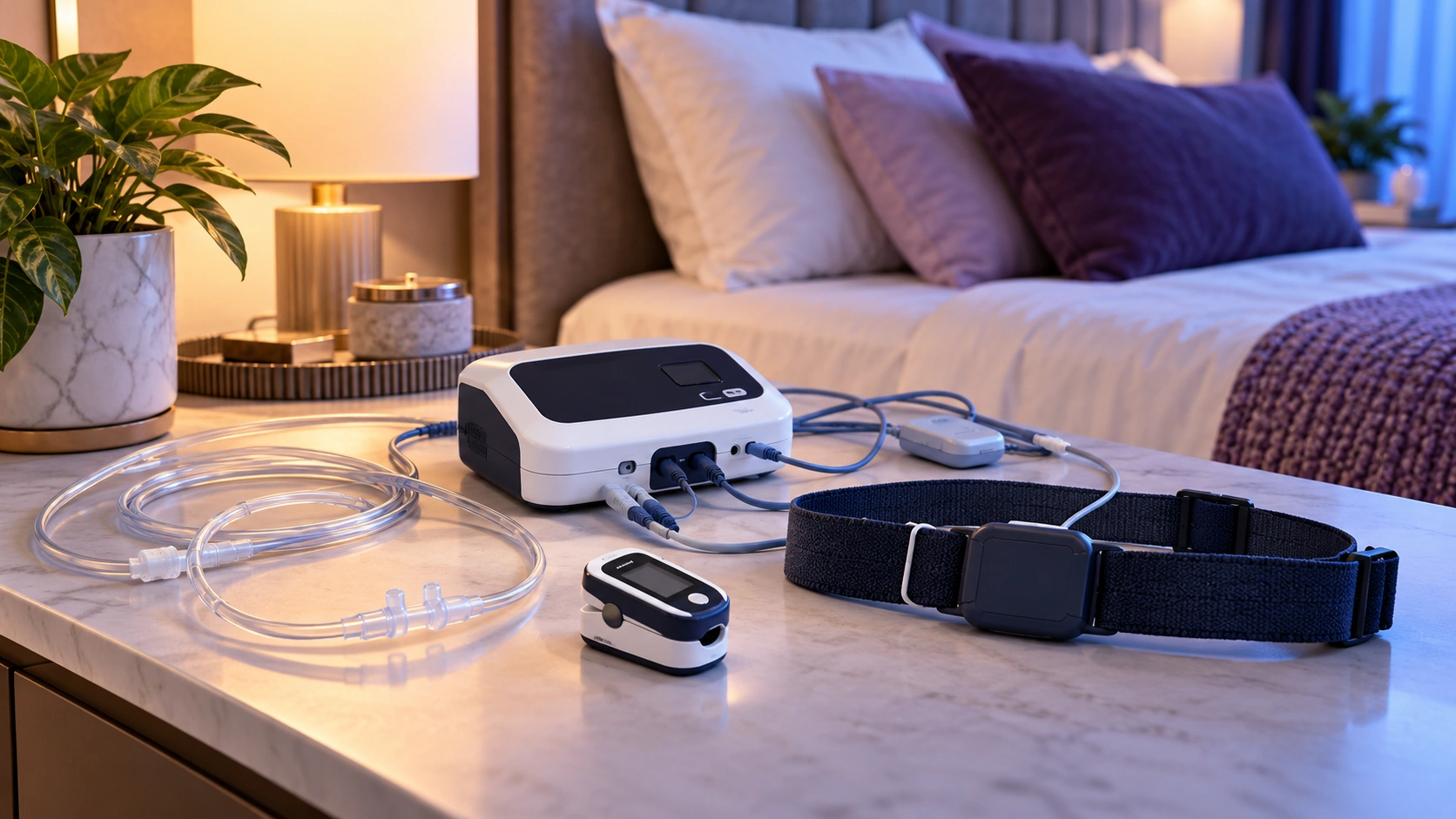
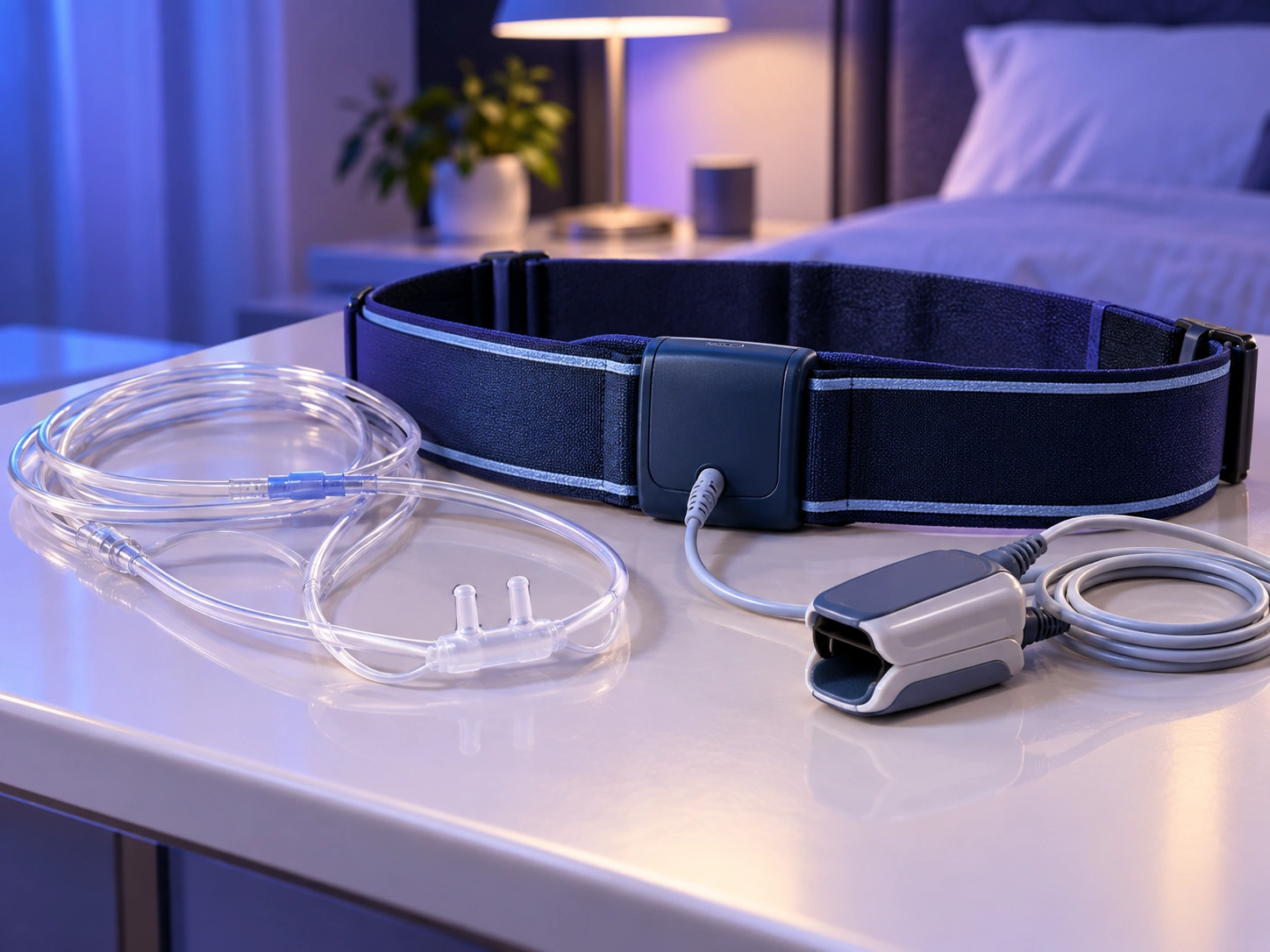
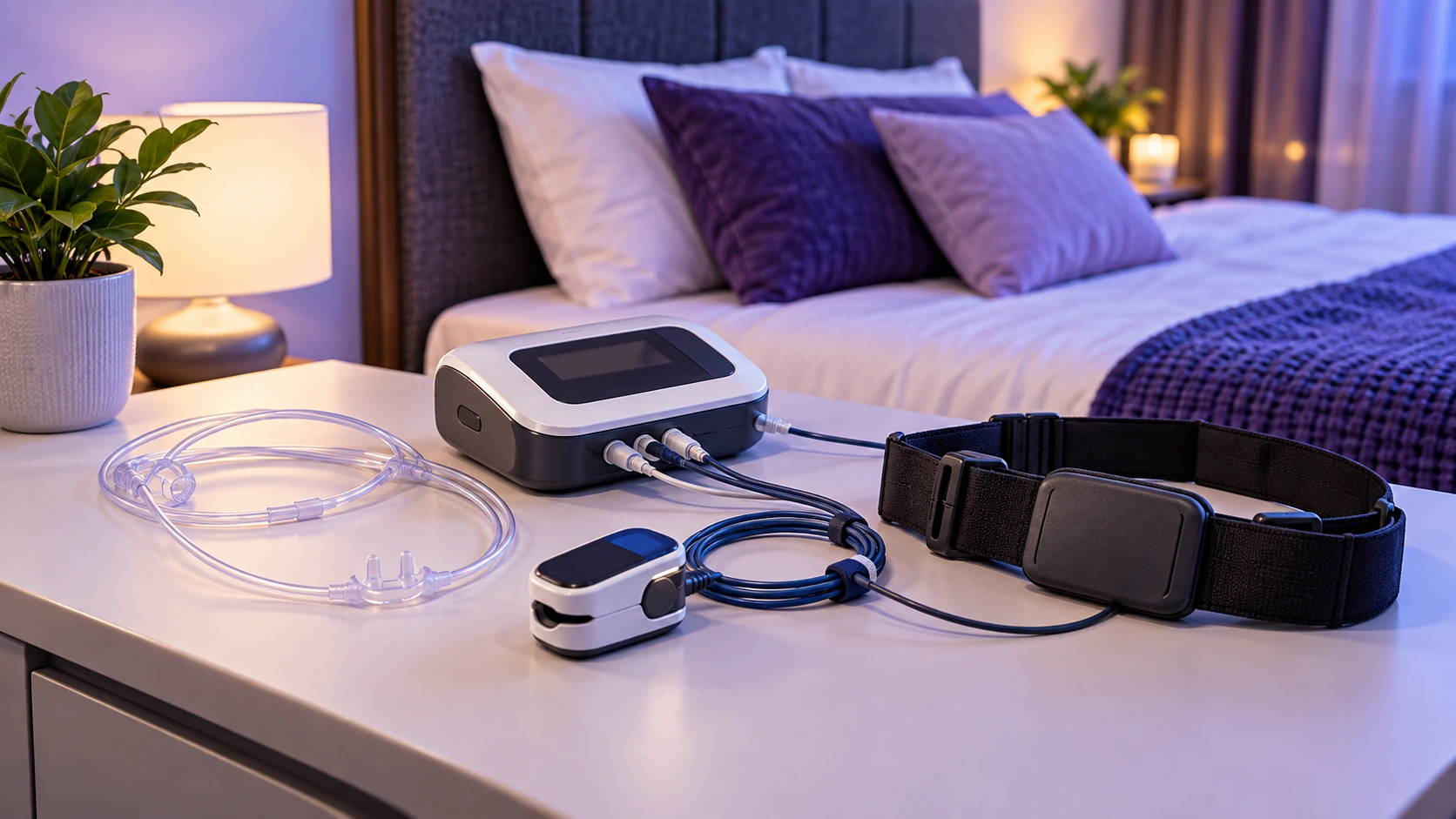
Exact sensor arrangements vary by device, but a typical home sleep apnea test may monitor several breathing-related signals.
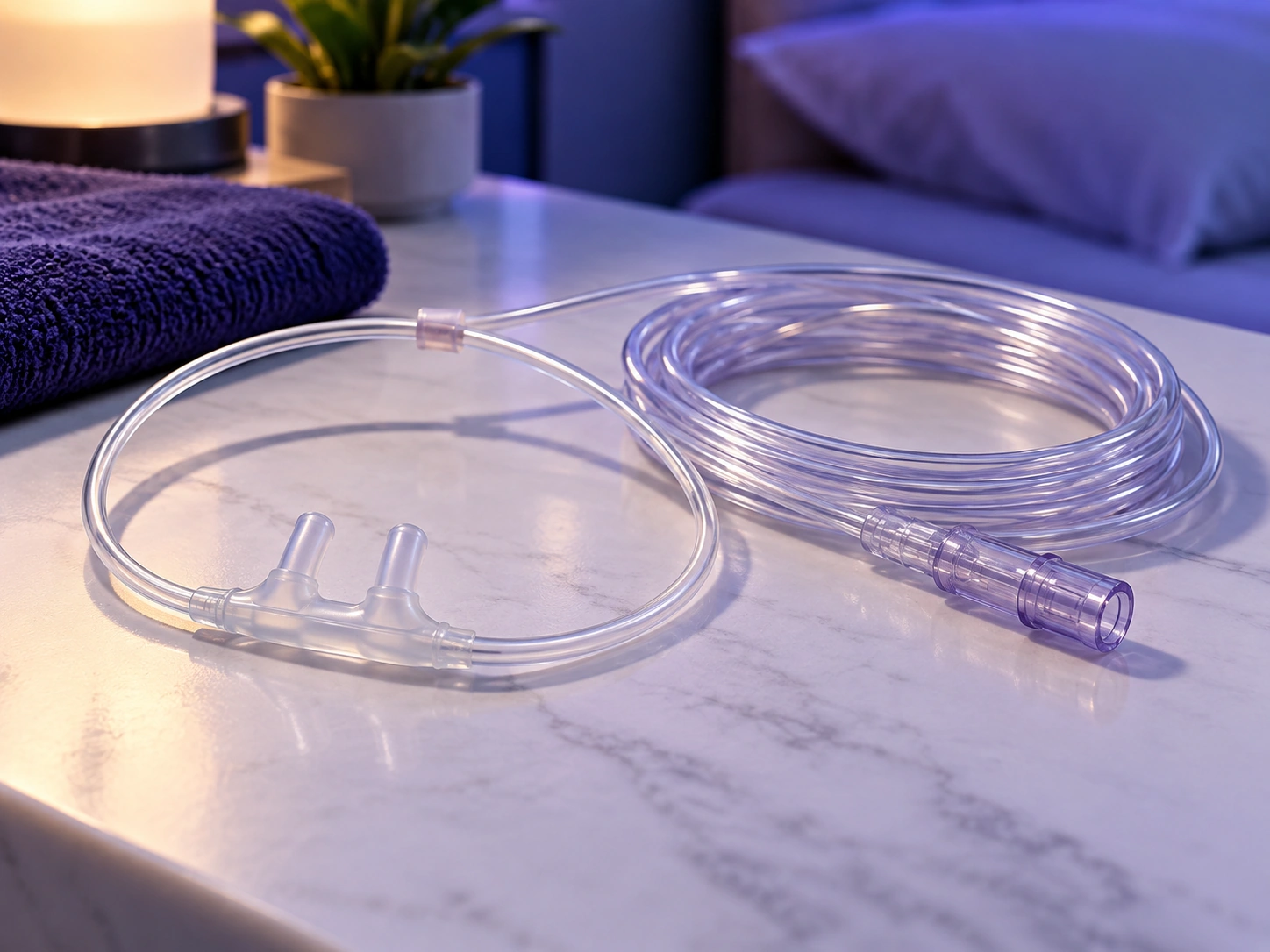
Airflow
A nasal cannula may detect airflow changes during breathing.
Respiratory Effort
A chest or abdominal belt may detect breathing movement.
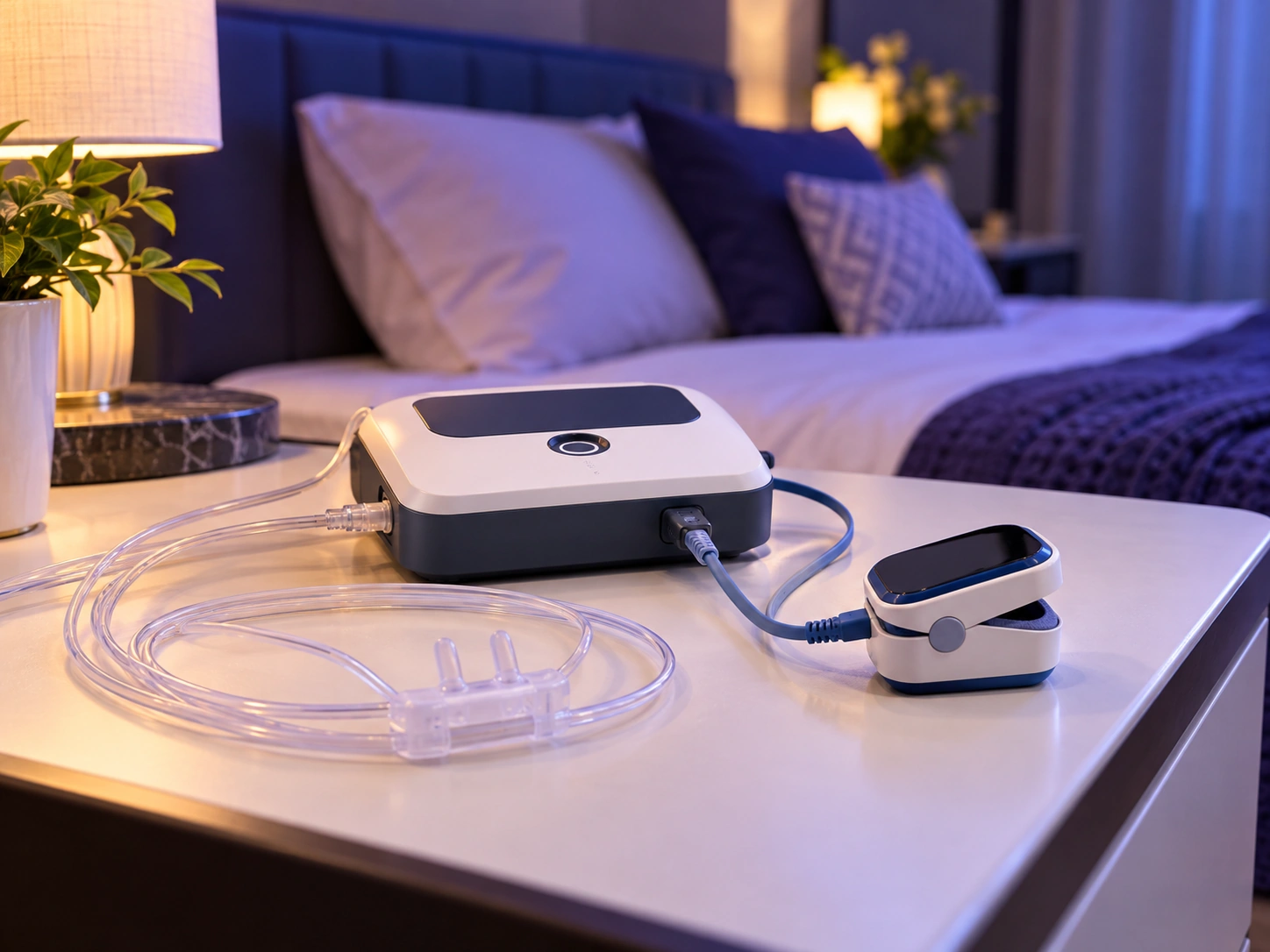
Pulse
A finger sensor can record pulse during the overnight test.
Oxygen Saturation
A pulse oximeter can record oxygen saturation during sleep.
What Happens on the Night of a Home Sleep Study?
The process is usually straightforward, but the exact setup depends on the testing device and provider.
Clinical Assessment
A clinician discusses symptoms such as snoring, breathing pauses, gasping and daytime sleepiness.
Receive the Equipment
You receive the monitor and instructions for attaching the sensors.
Prepare Before Bed
Getting familiar with the equipment before bedtime can make setup easier.
Overnight Recording
Sleep with the equipment in place and follow the provider’s instructions if a sensor becomes loose.
Return the Device
The equipment is returned, downloaded or transmitted according to the service being used.
Clinical Interpretation
A clinician reviews respiratory signals, oxygen changes, pulse data and other available information.
What Does AHI Mean?
The apnea-hypopnea index represents the average number of apneas and hypopneas recorded per hour of sleep or, in many home tests, per hour of monitoring time.
AHI is important, but it is not the whole diagnosis. Oxygen desaturation, symptoms, sleep position, recording quality and the broader health picture can all influence interpretation.
Home Sleep Study vs In-Lab Polysomnography
Home Sleep Study
In-Lab Polysomnography
Who May Be Considered for Home Testing?
Home sleep apnea testing is generally considered for adults whose clinical picture suggests a meaningful likelihood of uncomplicated obstructive sleep apnea.
Habitual or disruptive snoring during sleep.
A partner notices pauses or irregular breathing.
Persistent fatigue or difficulty staying alert.
Morning headaches or dry mouth may be reported.
How to Prepare for a Better Test Night
Review the setup before bedtime.
Get familiar with the sensors before you are tired.
Maintain a reasonably consistent bedtime routine.
Make sure the monitor is charged and recording as instructed.
What Happens After the Results Come Back?
Once the recording has been reviewed, your clinician will put the numbers into context. A result that clearly supports obstructive sleep apnea may lead to a discussion about treatment.
Depending on the circumstances, treatment options can include CPAP, BiPAP or other positive-airway-pressure therapy, an oral appliance, positional measures, weight management where appropriate or other interventions.
If CPAP is prescribed, follow-up matters. Mask comfort, pressure settings, adherence, leak and residual breathing events can affect how well treatment works.
Exploring CPAP or BiPAP After Your Sleep Evaluation?
Respikart provides respiratory-care equipment for home use, including CPAP and BiPAP options and medical equipment rental support in Delhi NCR.
The Future of Home Sleep Testing
Portable sleep-testing technology continues to become smaller and easier to handle, with improvements in setup, sensors and data transfer.
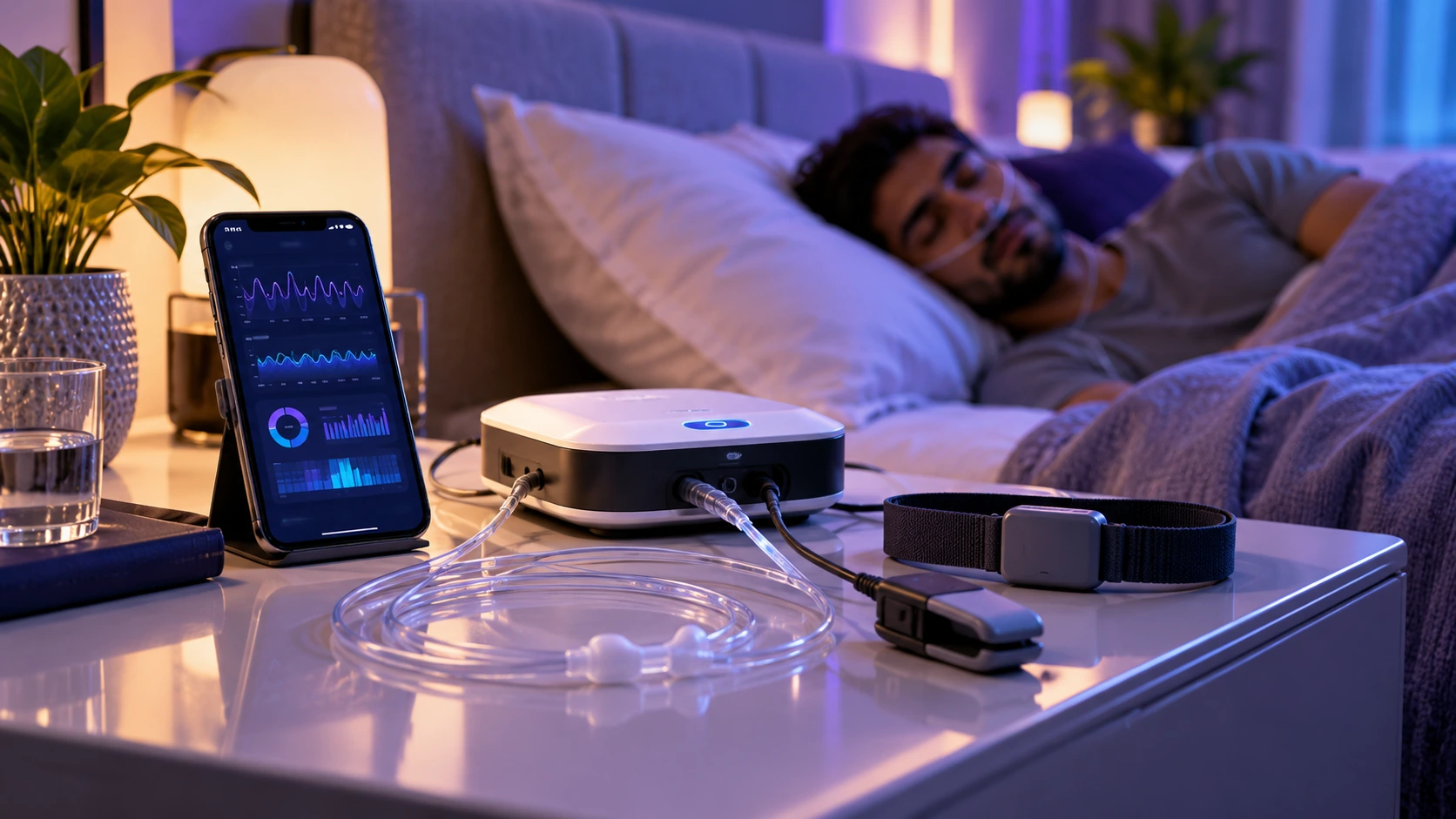
These developments may make home testing more practical for straightforward suspected obstructive sleep apnea. They do not, however, remove the need for clinical judgement.
What You Should Remember
Home sleep studies primarily look at breathing-related signals.
AHI is interpreted alongside symptoms and recording quality.
Some people may require laboratory polysomnography.
Correct sensor placement can improve recording quality.
Need Help Exploring Home Respiratory Equipment?
Explore Respikart’s respiratory-care equipment and rental options for home healthcare.
Home Sleep Study Questions
How accurate is a home sleep study compared with an in-lab test?
A home sleep apnea test can be useful for diagnosing obstructive sleep apnea in appropriately selected adults. It records fewer signals than polysomnography, so it cannot evaluate every sleep disorder.
How long does a home sleep study take?
The actual recording is usually performed over one night. The equipment is put on before bed and removed after waking.
Can I have a home sleep study if I already use CPAP?
A diagnostic HSAT is mainly used to establish whether obstructive sleep apnea is present. If you already use CPAP, your clinician can determine which follow-up assessment is appropriate.
What if my home sleep study is inconclusive?
The provider may repeat the home study if recording quality was inadequate. If the result remains unclear, an in-lab polysomnography study may be recommended.
Do I need a prescription for a home sleep study?
Requirements vary by healthcare provider and local regulations. Medical evaluation is important because not everyone with sleep-related symptoms is an appropriate candidate.
What should I avoid before a home sleep study?
Follow the instructions provided by the testing service. Do not stop or change prescribed medication unless your clinician specifically tells you to do so.
What is the difference between apnea and hypopnea?
An apnea is a significant pause or near-complete interruption of airflow, while a hypopnea is a partial reduction in breathing that meets established scoring criteria.
Can a home sleep study diagnose other sleep disorders?
A typical home sleep apnea test is designed primarily to identify obstructive sleep apnea. Other suspected sleep conditions may require a different evaluation.
