
BiPAP Machines
BiPAP Machine: Complete Guide for Sleep Apnea, COPD & Respiratory Support
BiPAP Machine: Complete Guide for Severe Sleep Apnea, COPD & Respiratory Failure
Understand BiPAP, IPAP, EPAP, S/T, AVAPS, CPAP vs BiPAP, home therapy and rent vs buy options in Delhi NCR.
Understanding BiPAP Therapy
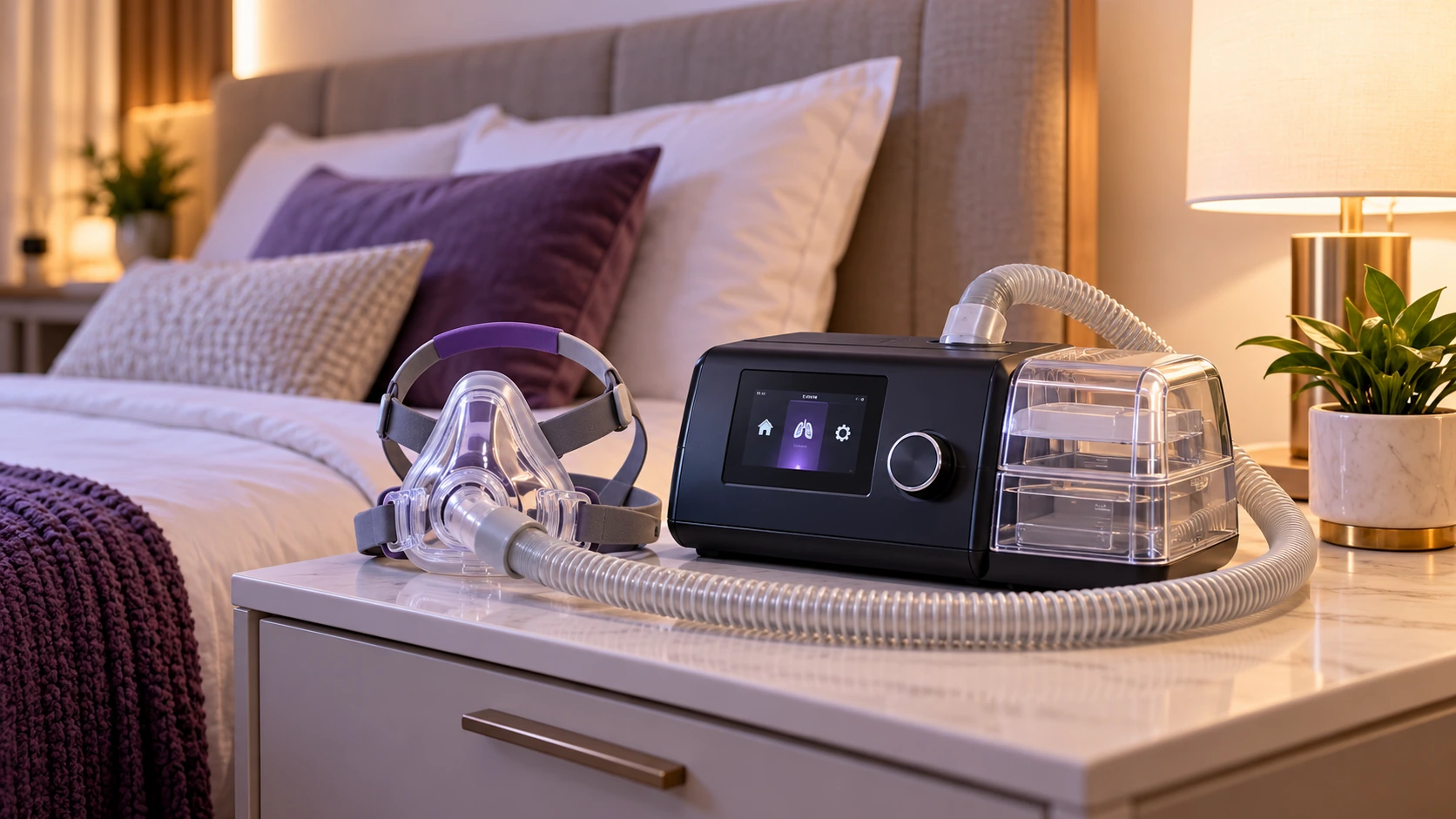
If you or a family member has been advised to use a BiPAP machine, terms such as IPAP, EPAP, pressure support, backup rate and different ventilation modes can initially feel confusing.
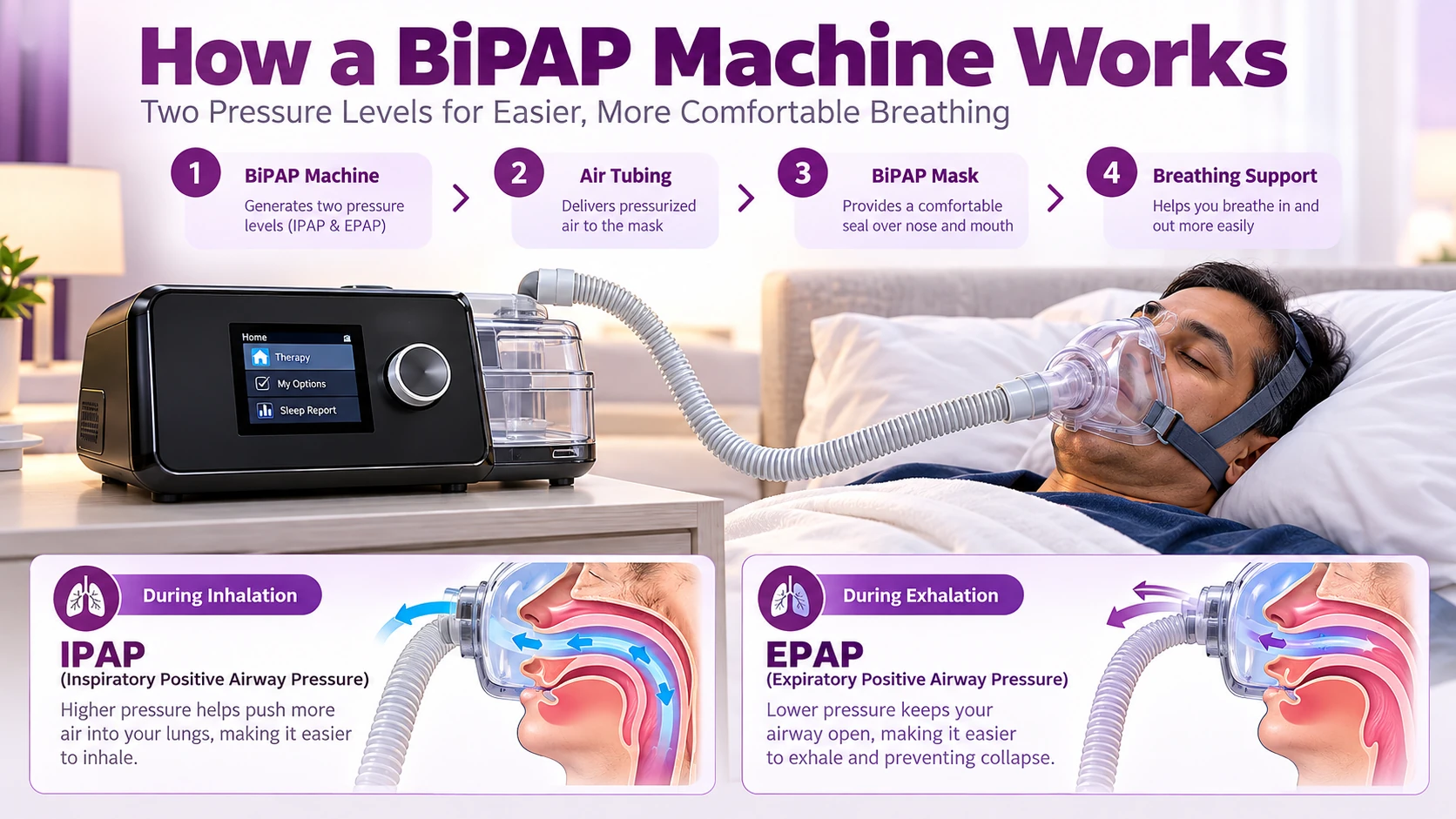
BiPAP stands for Bilevel Positive Airway Pressure. Unlike CPAP, BiPAP uses two pressure levels — a higher level during inhalation and a lower level during exhalation.
✓ How BiPAP works
✓ IPAP vs EPAP
✓ BiPAP vs CPAP
✓ BiPAP modes
✓ Home-use tips
✓ Rent vs Buy in Delhi NCR
What Is a BiPAP Machine?
A BiPAP machine is a non-invasive breathing-support device that provides two levels of positive airway pressure.
IPAP
Inspiratory Positive Airway Pressure — the higher pressure delivered during inhalation.
EPAP
Expiratory Positive Airway Pressure — the lower pressure used during exhalation.
 BiPAP Equipment
What Is a BiPAP Machine?
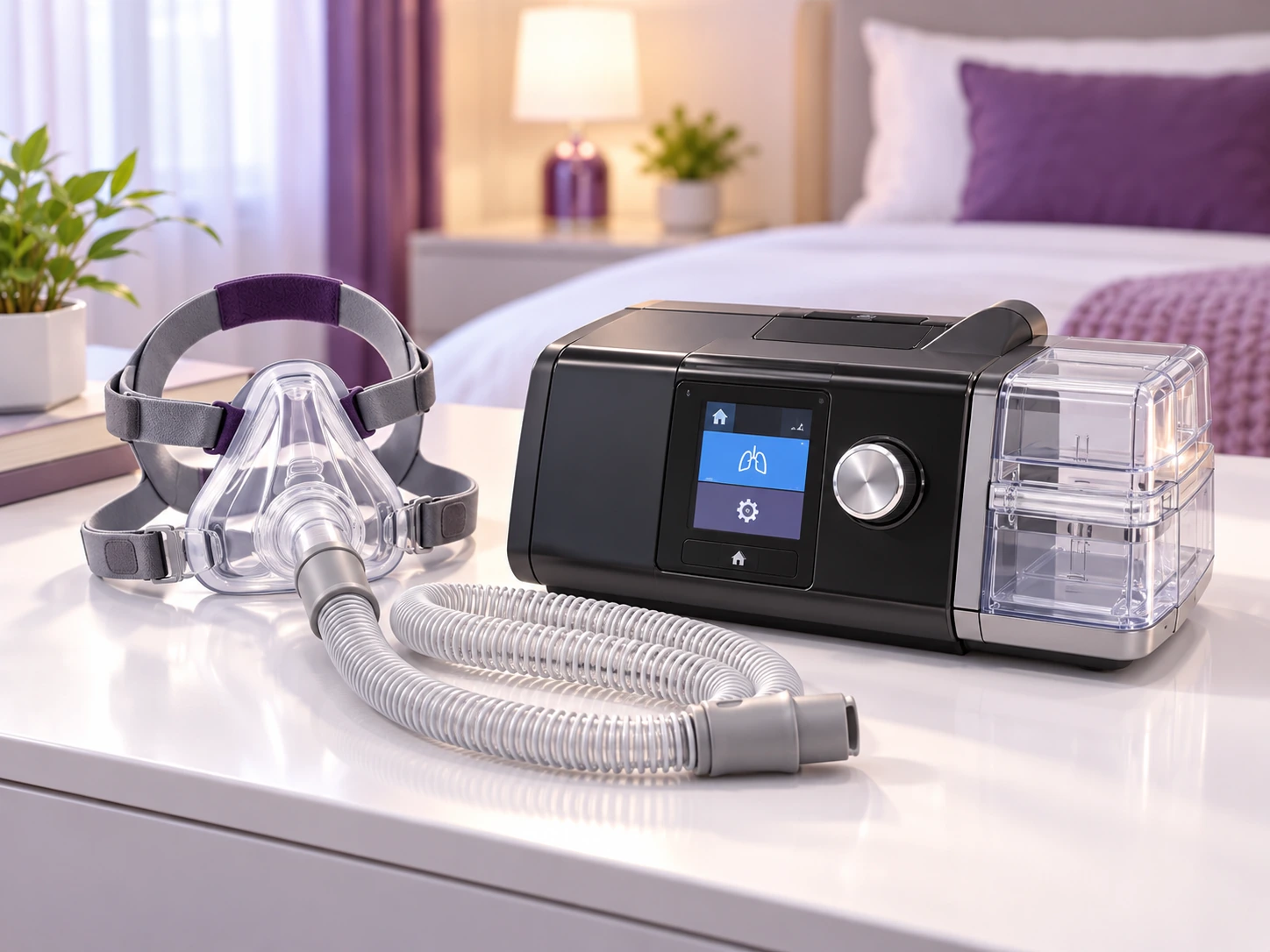
A BiPAP machine is a form of non-invasive ventilation. Air is delivered through tubing to a mask that fits over the nose, or over the nose and mouth.
The difference between IPAP and EPAP is called pressure support.
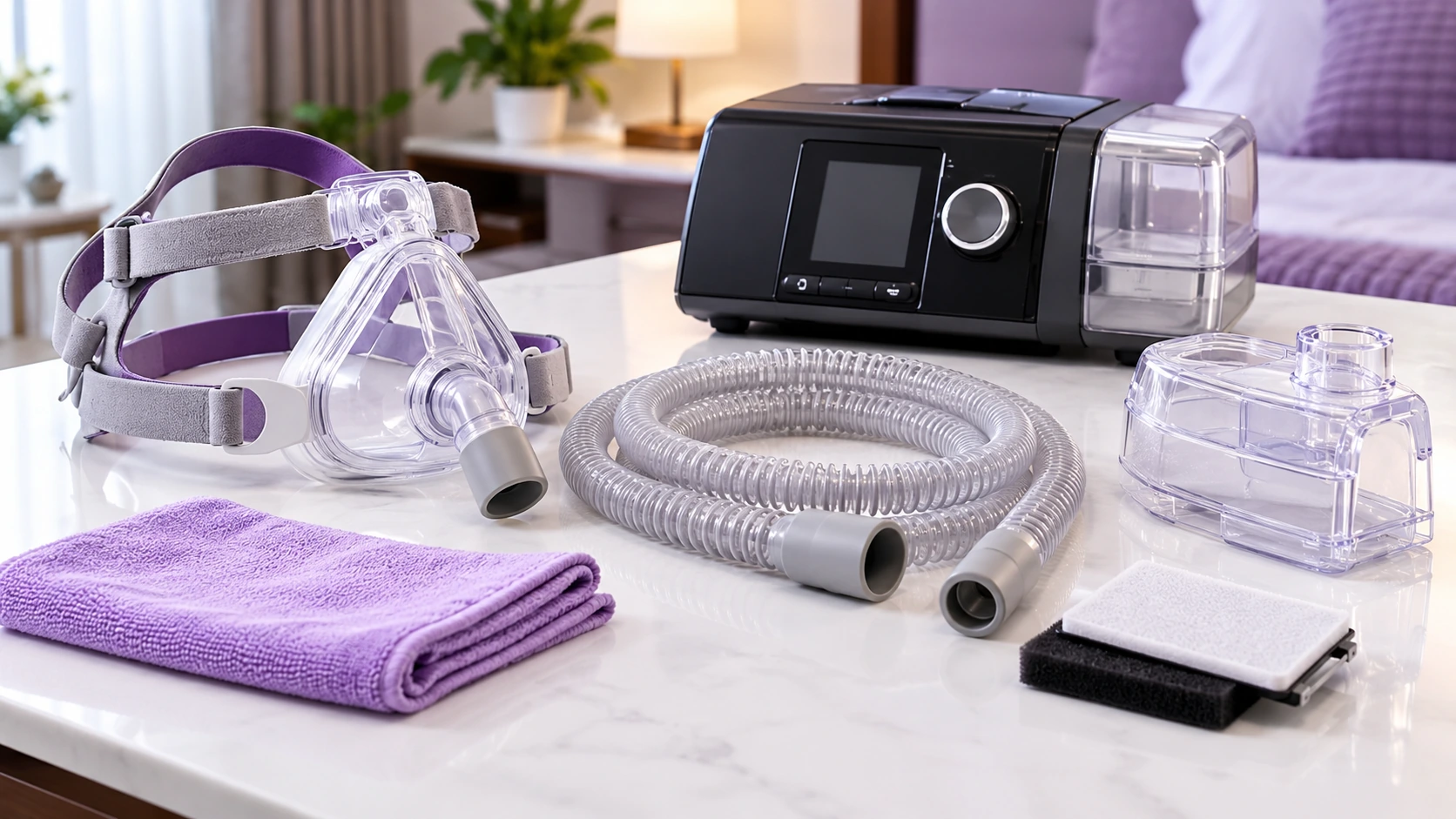
Most home BiPAP systems include a motor, air filter, tubing and, depending on the model, a humidifier chamber.
How Does a BiPAP Machine Work?
During inhalation, the machine delivers the prescribed IPAP. When the person begins to exhale, pressure falls to the prescribed EPAP.
What About S/T Mode?
Some BiPAP machines include a backup breathing rate. In S/T (Spontaneous/Timed) mode, the machine can provide a breath if the patient’s own breathing does not occur within the programmed interval.
BiPAP vs CPAP: What Is the Difference?
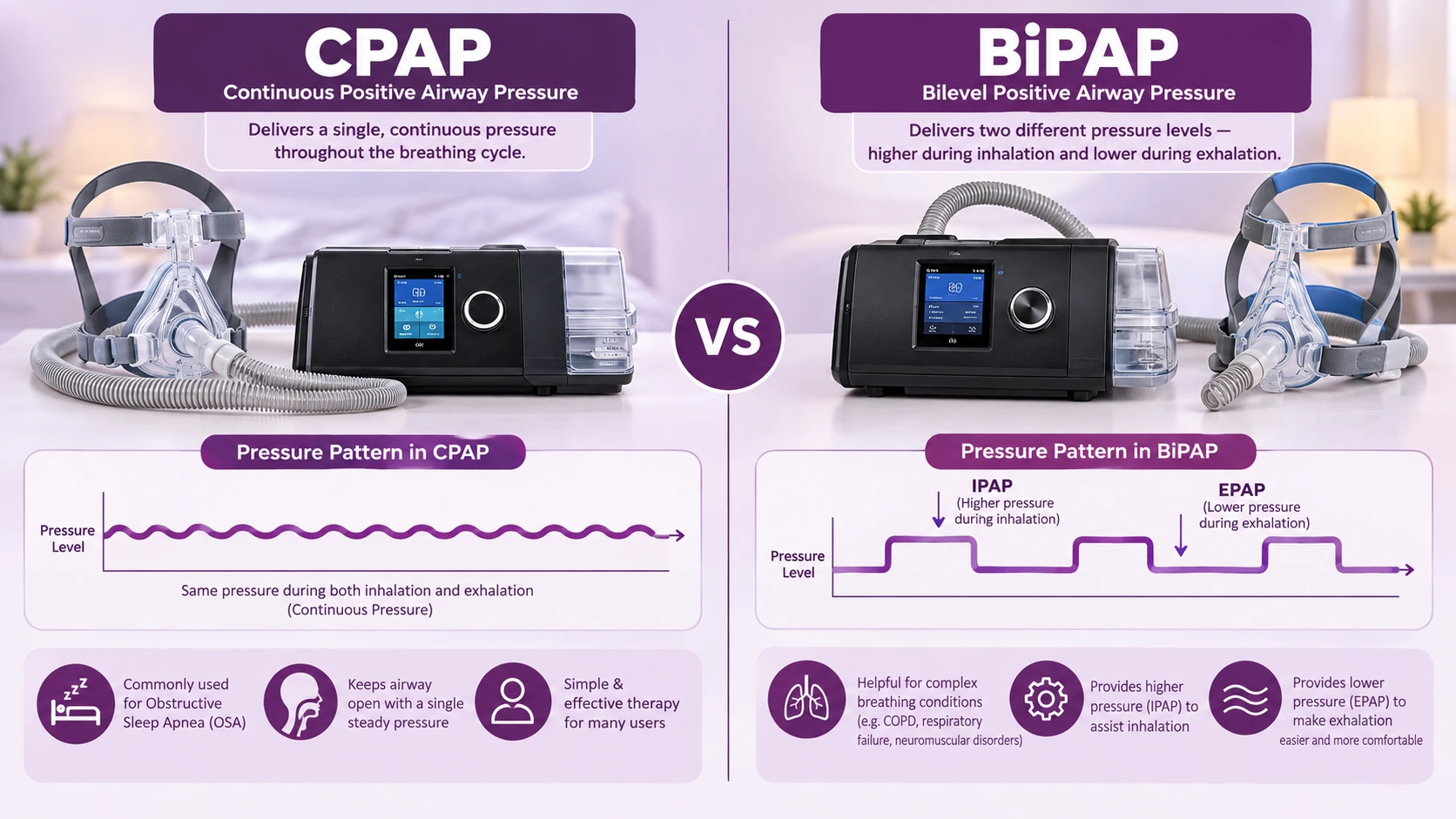
CPAP and BiPAP are both positive-airway-pressure therapies, but their pressure-delivery approach is different.
One continuous pressure
Obstructive Sleep Apnea
Maintains airway openness
Separate IPAP and EPAP
Selected respiratory conditions
Can provide additional ventilatory assistance
BiPAP is not automatically better than CPAP. The appropriate therapy depends on the patient’s diagnosis, breathing pattern and treatment goal.
Who May Need a BiPAP Machine?
Severe Obstructive Sleep Apnea
Selected patients may require bilevel therapy when high CPAP pressures are difficult to tolerate or additional support is needed.
COPD
Selected COPD patients with breathing difficulty and carbon dioxide retention may receive non-invasive ventilation.
Obesity Hypoventilation
Positive airway pressure may be prescribed when ventilation is inadequate during sleep.
Neuromuscular Conditions
Some conditions affecting respiratory muscle strength may require breathing support.
Types of BiPAP Machines & Modes
Rent vs Buy: What Makes Sense in Delhi NCR?
BiPAP on Rent
- Short-term treatment
- Post-hospital recovery
- Temporary respiratory support
- Lower initial expense
- Useful while long-term requirement is assessed
Buy a BiPAP Machine
- Long-term respiratory support
- Chronic conditions
- Frequent home use
- Equipment ownership
- Long-term treatment requirement
Using a BiPAP Machine at Home
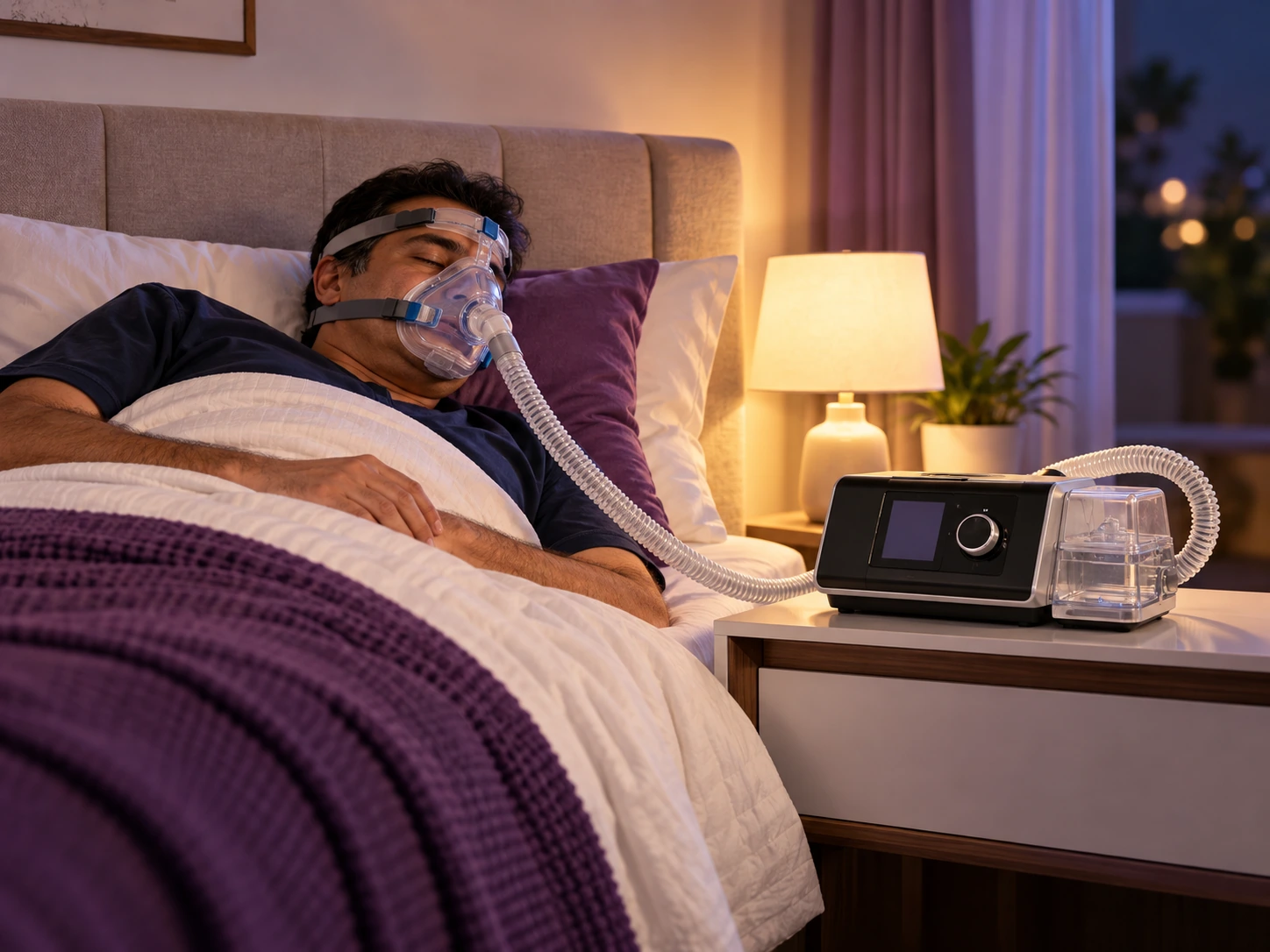
Correct diagnosis, appropriate settings, mask fitting and regular maintenance are important parts of home BiPAP therapy.
- Use the prescribed settings
- Choose a suitable mask
- Check for air leaks
- Keep equipment clean
- Attend follow-up appointments
 Home Respiratory Care
Looking for a BiPAP Machine on Rent in Delhi NCR?
Check current BiPAP rental options from Respikart and explore available respiratory equipment for home care.
View BiPAP Rentals Explore Rentals Call RespikartFrequently Asked Questions About BiPAP
Can I use a BiPAP machine without a doctor’s prescription?
BiPAP should not be started or pressure settings selected without appropriate medical guidance. A pulmonologist or sleep specialist should determine whether BiPAP is appropriate.
Is BiPAP more effective than CPAP for sleep apnea?
Not necessarily. CPAP is effective for many people with obstructive sleep apnea. BiPAP may be appropriate in particular clinical situations requiring different pressure support.
How long does it take to get used to BiPAP?
Adjustment time varies between people. Mask fit, humidification and comfort settings can influence the adaptation process.
Can BiPAP be used for COPD patients at home?
Selected COPD patients may use BiPAP at home when non-invasive ventilation is considered appropriate by the treating team.
What is the difference between IPAP and EPAP?
IPAP is the higher inspiratory pressure and EPAP is the lower expiratory pressure. Their difference is called pressure support.
Should I rent or buy a BiPAP machine?
It depends mainly on the expected duration of therapy and the patient’s equipment requirements. Compare total cost, support, servicing and included accessories.
Need Help Finding the Right BiPAP Equipment?
Explore Respikart’s BiPAP rental options and respiratory-care products for Delhi NCR.
Check BiPAP Rental Contact RespikartThis article is intended for general educational information and should not replace medical diagnosis, prescription or professional clinical advice. BiPAP mode, pressure settings, backup rate and treatment duration should be determined by the treating healthcare professional.
