
CPAP MACHINE, Sleep Apnea
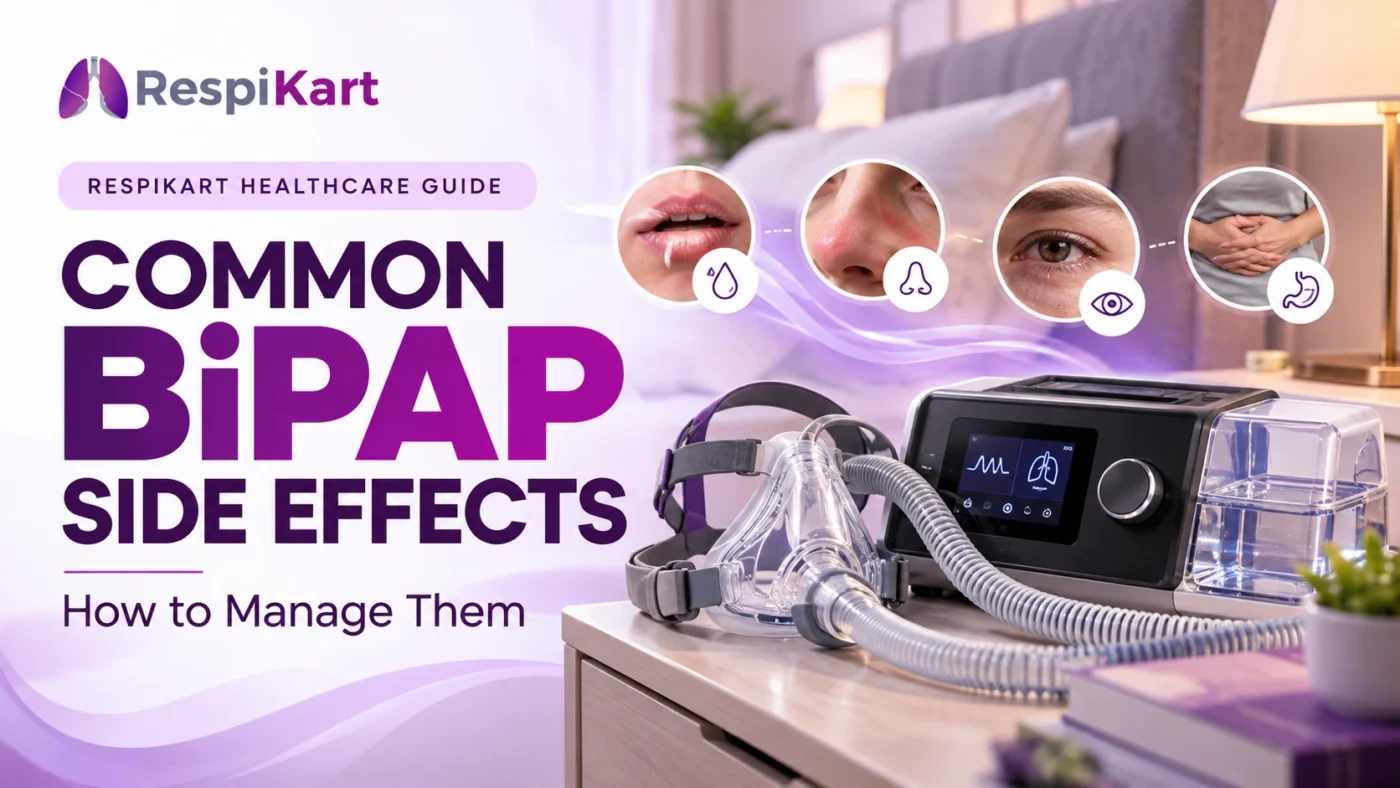
Common BiPAP Side Effects and How to Manage Them
Common BiPAP Side Effects and How to Manage Them
Dry mouth, mask leaks, nasal irritation or bloating can make BiPAP therapy uncomfortable, particularly when you first start. Learn what may cause these problems, which comfort measures you can discuss with your healthcare provider, and when to seek medical attention.
BiPAP Side Effects: Quick Answer
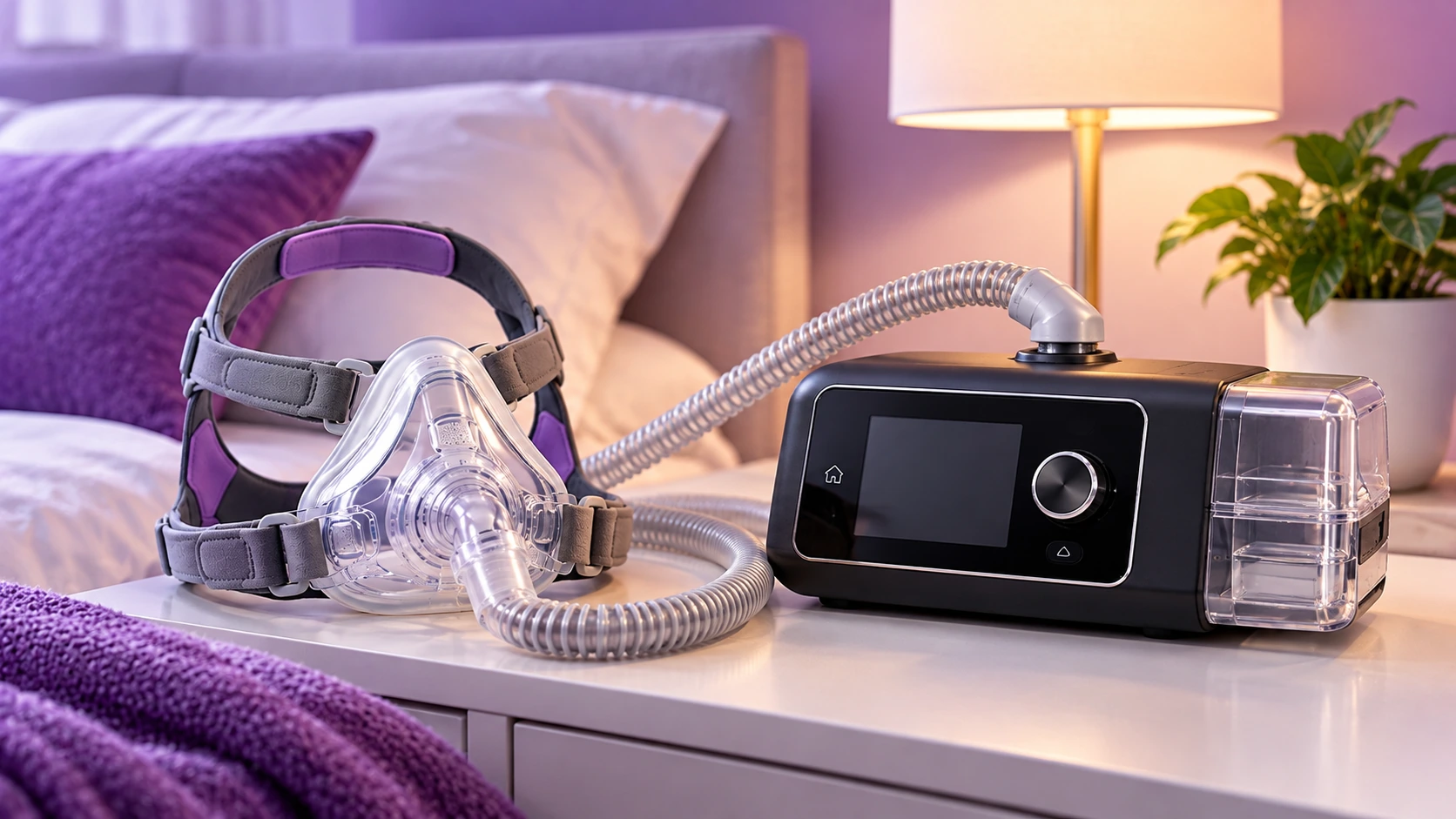
Many common BiPAP problems are associated with mask fit, airflow, humidity or adjustment to treatment. Your healthcare provider can help identify the cause and recommend an appropriate solution.
- Ask about suitable humidification for dryness.
- Check mask fit and cushion condition.
- Discuss persistent bloating or difficulty exhaling.
- Never change prescribed pressure settings yourself.
Why Does BiPAP Cause Side Effects?
BiPAP stands for bilevel positive airway pressure. It provides different pressure levels during inhalation and exhalation to support breathing in people for whom the therapy is prescribed. Air is delivered through a mask and tubing, so the mask interface, humidity and airflow can influence comfort.
Some users experience temporary discomfort while adapting. Others may have a mask leak, nasal irritation, swallowed air or another issue that needs assessment. Persistent symptoms should not automatically be attributed to the machine.
7 Common BiPAP Side Effects
Explore these common concerns and the practical steps you can discuss with your healthcare professional.
1. Dry Mouth & Throat
Dryness may occur when air escapes through an open mouth or humidity is insufficient.
Comfort tipAsk about humidifier settings and suitable solutions for mouth leaks.
2. Blocked or Runny Nose
Airflow may contribute to nasal irritation, congestion or a runny nose.
Comfort tipReview humidity and equipment fit. Ask before using nasal medicines.
3. Mask Leaks & Dry Eyes
Escaping air may cause noise, eye irritation and difficulty maintaining an effective seal.
Comfort tipCheck the cushion, mask size and fit without overtightening the straps.
4. Sore Skin & Pressure Marks
Pressure or friction may cause redness around the cheeks and bridge of the nose.
Comfort tipReview the fit and cushion condition. Seek advice if skin damage develops.
5. Bloating & Swallowed Air
Aerophagia can cause burping, gas or abdominal fullness during positive airway pressure therapy.
Comfort tipDiscuss recurring symptoms and your prescribed settings with your clinician.
6. Claustrophobia
Wearing a mask may initially feel unfamiliar or restrictive for some users.
Comfort tipAsk whether short daytime practice and an appropriate ramp feature may help.
7. Difficulty Exhaling
Some users find breathing out uncomfortable or feel that the airflow is not comfortable.
ImportantPersistent difficulty breathing needs clinical review. Do not adjust pressure independently.
Sleep Disruption
Noise, tubing position, leaks or unfamiliar sensations can interrupt sleep.
Comfort tipCheck the tubing arrangement and ask for an equipment assessment if problems continue.
How to Improve BiPAP Comfort
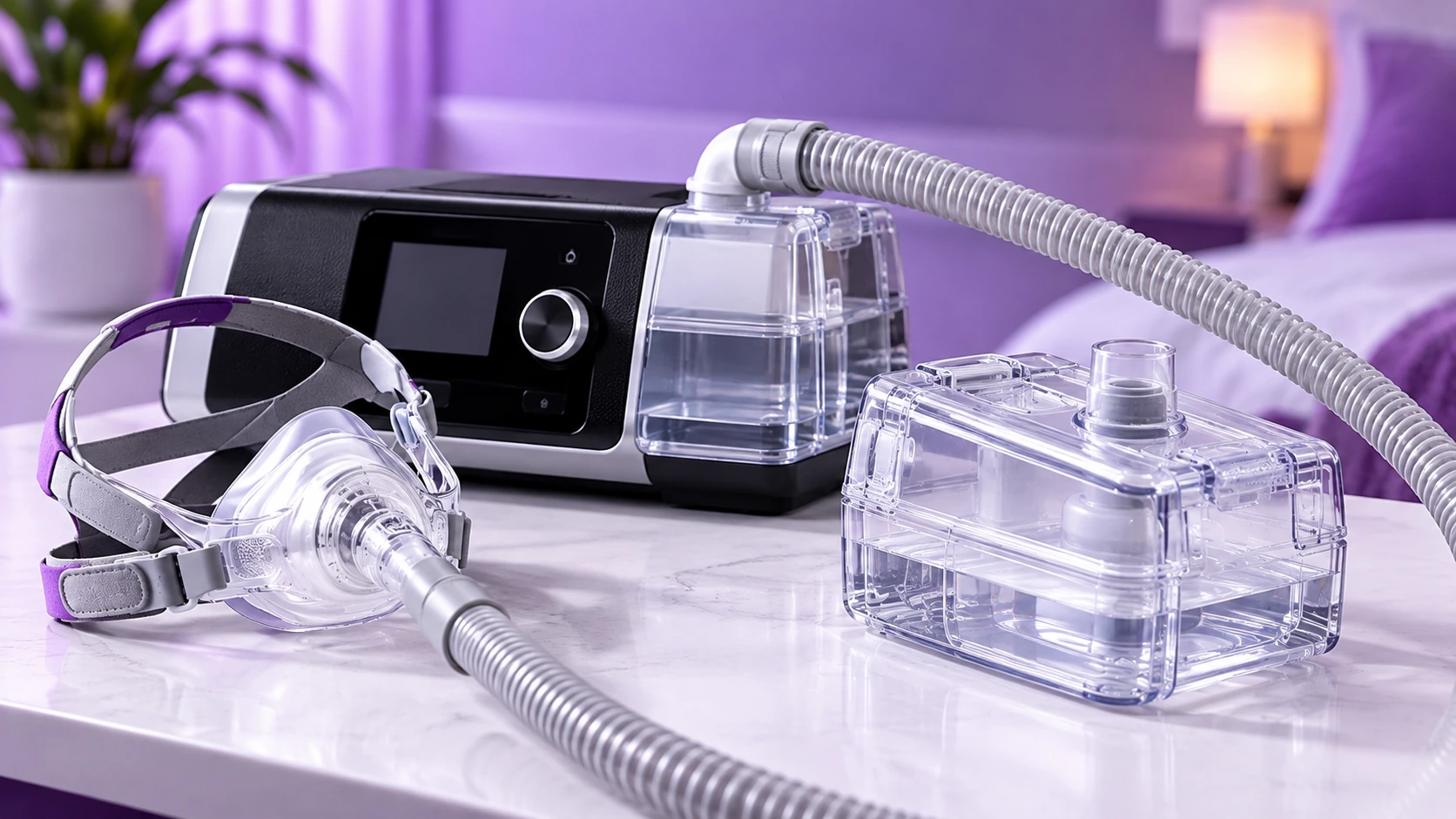
A structured equipment check can help you identify issues to discuss with your care team.
Check Your Mask Fit
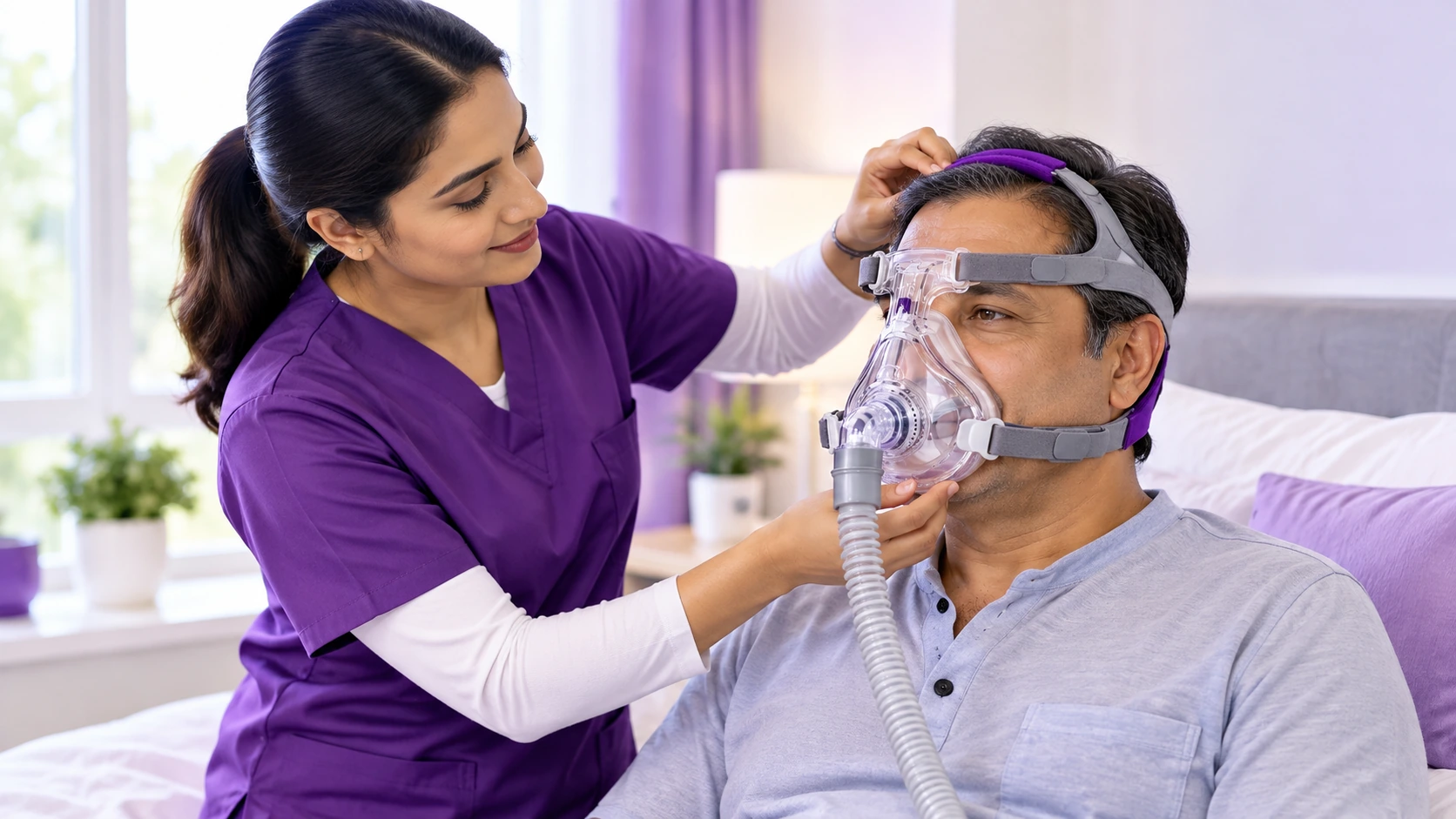
Inspect the cushion and straps. Fit the mask according to the manufacturer’s instructions and avoid excessive tightening.
Review Humidity
Ask whether heated humidification or an appropriate humidity adjustment may help with dryness.
Maintain Your Equipment
Follow the manufacturer’s instructions for cleaning the mask, tubing, filters and humidifier components.
Discuss Persistent Symptoms
Tell your clinician about recurring bloating, leaks, poor sleep or difficulty exhaling.
When Should You Contact a Doctor?
Arrange a review if discomfort continues, repeatedly interrupts sleep, makes it difficult to use prescribed therapy or causes skin damage. Worsening morning headaches, unusual daytime sleepiness or deteriorating breathing symptoms should also be reported promptly.
⚠ Seek Urgent Medical Help
- Chest pain or sudden severe breathlessness.
- Severe abdominal pain or rapidly worsening symptoms.
- New confusion, fainting or a major change in alertness.
- Vomiting while wearing the mask, particularly if aspiration is possible.
For severe or sudden symptoms, seek emergency assistance. If vomiting occurs, remove the mask if safe to do so and obtain urgent help. Do not delay emergency care to troubleshoot the equipment.
Do not discontinue necessary long-term respiratory support without medical advice. If an immediate safety emergency occurs, prioritise safety and emergency assistance.
Common Mistakes to Avoid
- Overtightening straps: This can increase skin pressure.
- Changing pressure yourself: Treatment settings need clinical guidance.
- Ignoring repeated leaks: Persistent leakage needs assessment.
- Skipping equipment care: Follow the manufacturer’s cleaning instructions.
- Ignoring severe symptoms: Seek urgent help for emergency warning signs.
Key Takeaways
- Dryness, mask leaks, skin irritation and bloating are possible BiPAP discomforts.
- Correct mask fit and suitable humidification may improve comfort.
- Persistent breathing discomfort requires professional assessment.
- Never change prescribed pressures without clinical guidance.
- Severe or sudden symptoms require urgent medical attention.
Looking for Respiratory Equipment?
Respikart offers respiratory and homecare equipment for purchase and rental. Contact the team to check available models, pricing, accessories and applicable support services in Delhi NCR.
Always select equipment according to your clinician’s recommendation and prescribed treatment requirements.
Frequently Asked Questions
1. Do BiPAP side effects go away with time?
Mild dryness or unfamiliar sensations may improve as you adjust to therapy. Persistent leaks, skin soreness, bloating or breathing discomfort should be discussed with your healthcare provider.
2. Why does BiPAP make my mouth dry?
Dryness may be related to mouth leaks or insufficient humidity. Ask whether a humidifier adjustment or a different mask arrangement may help.
3. Can BiPAP cause bloating and gas?
Yes. Swallowing air, known as aerophagia, may cause bloating, burping or abdominal discomfort. Recurring symptoms need clinical review.
4. Is it safe to stop BiPAP because of side effects?
Do not stop prescribed long-term therapy without medical advice. Contact your care team to discuss the problem and possible adjustments. For an immediate safety emergency, prioritise safety and urgent assistance.
5. When are BiPAP side effects an emergency?
Chest pain, sudden severe breathlessness, severe abdominal pain, confusion or vomiting while masked may require urgent medical attention.
6. How can I reduce BiPAP mask leaks?
Check mask size, cushion condition and fit. Avoid overtightening the straps. If leakage persists, ask your provider to assess the equipment. Read the BiPAP mask selection guide.
7. Can I adjust my BiPAP pressure myself?
No. Prescribed pressure settings should only be changed under appropriate clinical guidance. Report ongoing discomfort so your provider can assess the cause.
8. Where can I learn more about BiPAP for COPD?
Visit our BiPAP for COPD Patients guide for more information about prescribed respiratory support.
9. Should I rent or buy a CPAP machine?
The decision depends on expected duration, overall cost, clinical requirements and rental terms. Read our CPAP on Rent vs Buy in Delhi NCR guide to compare the factors.
10. Where can I compare CPAP machine prices?
Read our CPAP Machine Price in India guide to understand the factors that affect equipment costs. Confirm current prices and availability before ordering.
Final Thoughts
BiPAP therapy can take time to become comfortable, but persistent discomfort deserves attention. Reviewing mask fit, humidification and equipment care with your healthcare provider can help identify potential solutions.
If you are exploring respiratory equipment for home use, Respikart can help you check available options and applicable rental or purchase terms.
Medical disclaimer: This article is for general educational purposes and does not replace individual medical advice, diagnosis or treatment. Follow your healthcare professional’s instructions and the manufacturer’s equipment guidance.
