

Oxygen Therapy
Oxygen Concentrator vs Cylinder: Which Is Better at Home?
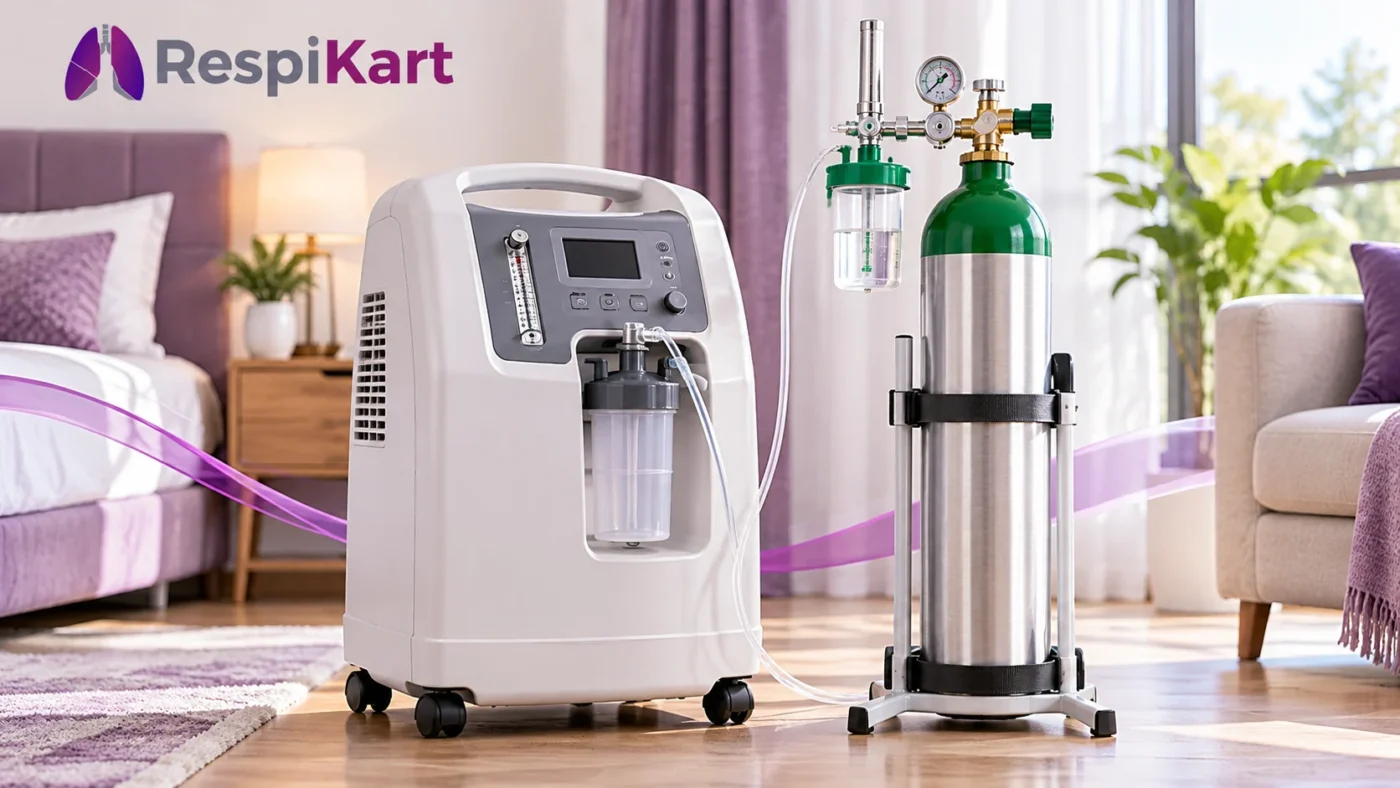
Oxygen Concentrator vs Oxygen Cylinder: Which Is Better at Home?
Compare oxygen equipment, understand everyday running costs and discover why power-cut planning matters when arranging home oxygen care.
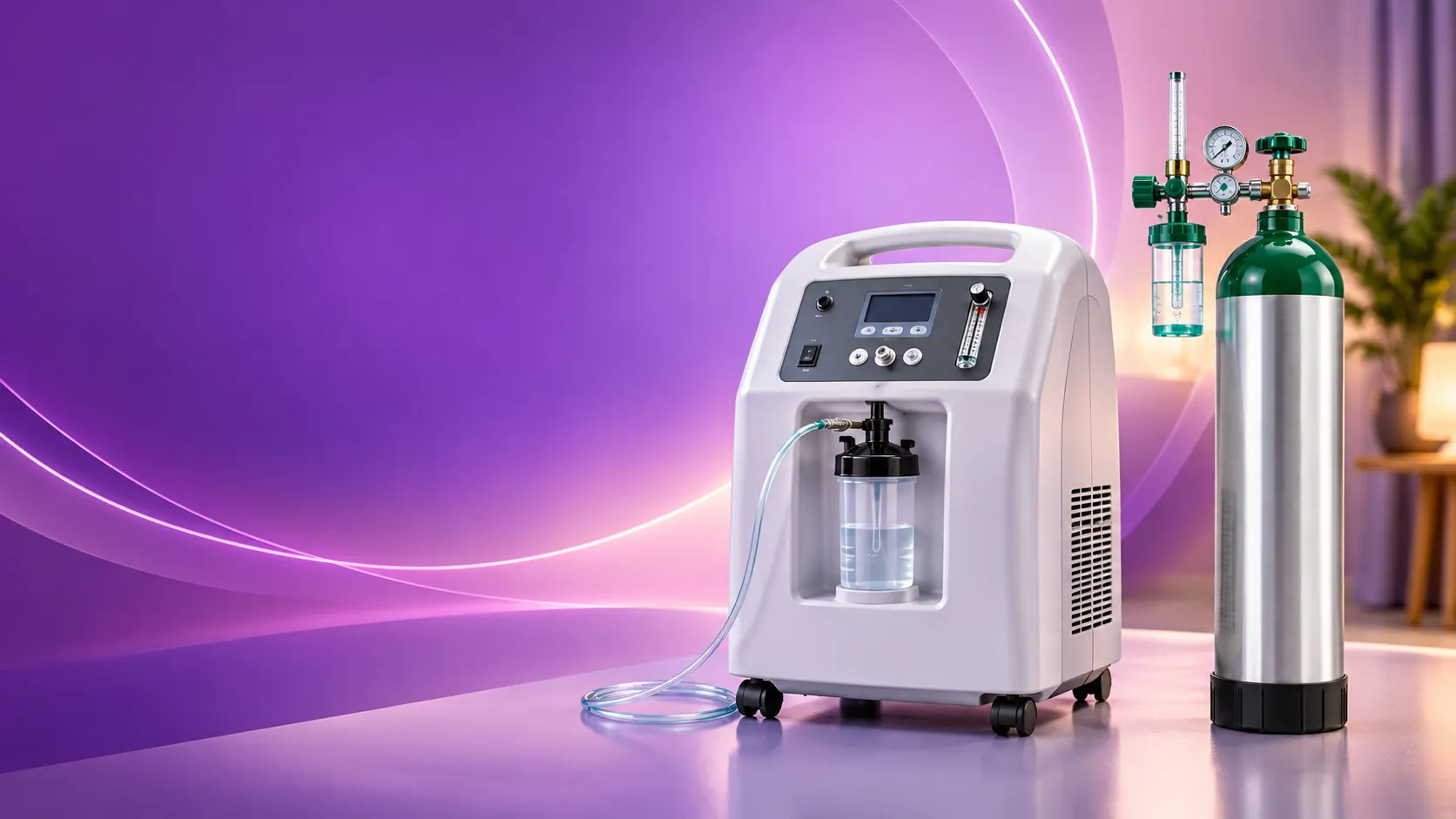
Which One Is Right for Home?
An oxygen concentrator draws in room air and produces oxygen-enriched gas while running. An oxygen cylinder stores a limited supply of compressed medical oxygen. Their power requirements, operating costs and backup arrangements are different.
Oxygen Concentrator
A potential option for ongoing home therapy when the device supports the prescribed flow and delivery requirements.
Read the Concentrator Guide →Oxygen Cylinder
Stores a finite quantity of oxygen and can deliver it without electricity when the cylinder and delivery equipment are correctly set up.
View Safety Checklist →Side-by-Side Equipment Comparison
| Feature | Concentrator | Cylinder |
|---|---|---|
| Oxygen supply | Concentrates oxygen from room air. | Stores compressed oxygen. |
| Electricity | Normally required. | Not required for delivery. |
| Supply limit | Depends on operation and specifications. | Depends on remaining contents. |
| Refilling | No cylinder refill while operating. | Refill or replacement is necessary. |
| Maintenance | Filters, servicing and electrical checks. | Safe handling and supplier servicing. |
| Power failure | Needs suitable backup power or another plan. | Can supply oxygen without electricity. |
| Costs | Power, servicing and purchase or rental. | Refills, delivery and purchase or rental. |
How Do the Two Systems Work?
How a Concentrator Works
Air intake
Room air enters the device.
Nitrogen separation
Most stationary models use a molecular sieve process.
Oxygen-rich output
Output is delivered according to the model’s specifications.
How a Cylinder Works
Stored supply
Medical oxygen is held under pressure.
Regulated delivery
Compatible equipment controls the oxygen supply.
Supply monitoring
Remaining contents and refill arrangements must be checked.
Cost, Convenience and Maintenance
Electricity
Concentrator costs depend on power consumption, usage hours and tariffs.
Refill Logistics
Cylinder users need to plan for remaining oxygen, refills and delivery.
Rental or Purchase
Compare rental duration, deposit, servicing and complete ownership costs.
What Happens During a Power Cut?
Prepare Your Backup Plan in Advance
- Confirm suitable backup arrangements with the treating clinician.
- Check battery runtime or inverter compatibility if applicable.
- If a cylinder is advised, check its contents and readiness.
- Learn how to change over equipment safely.
- Keep the supplier’s contact information accessible.
Do not assume that a battery or cylinder will last for a particular number of hours without checking the equipment and prescribed flow.
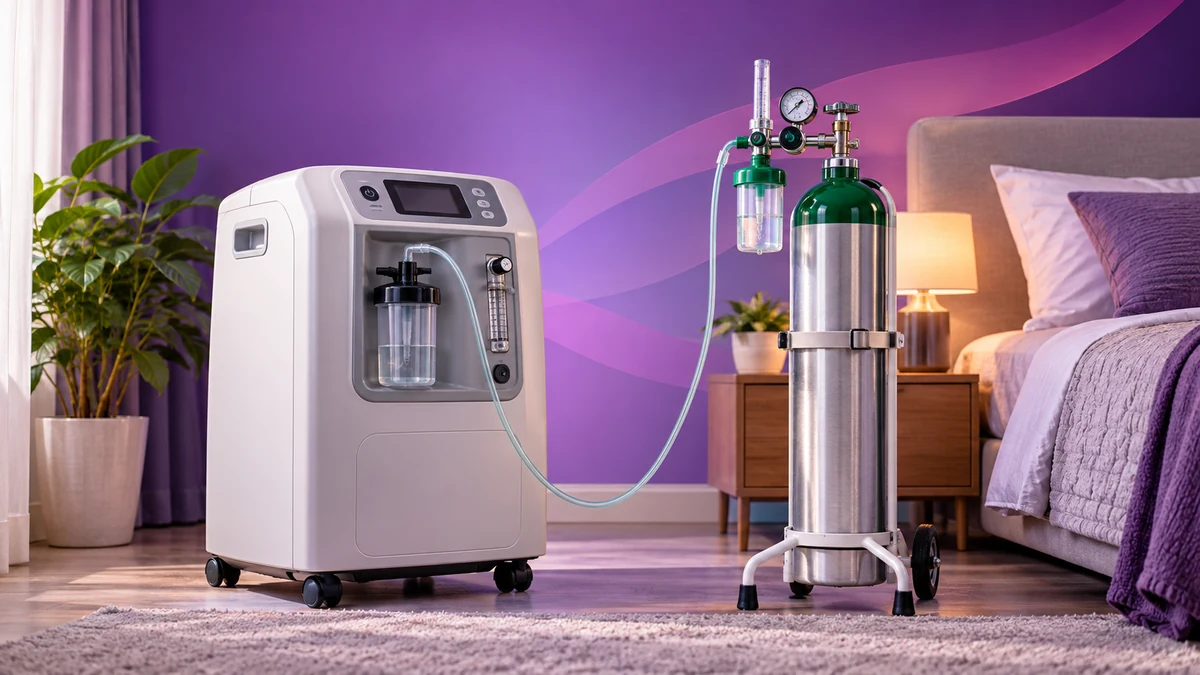
Home Oxygen Safety Checklist
Make Safety a Daily Habit
- Keep oxygen away from smoking, flames, candles and heaters.
- Secure cylinders upright as directed by the supplier.
- Keep concentrator vents clear.
- Keep oil and grease away from oxygen fittings.
- Inspect tubing and cables for damage.
- Follow the manufacturer’s cleaning and maintenance instructions.
- Investigate alarms instead of simply silencing them.
- Never change prescribed oxygen flow without medical advice.
Severe or worsening breathlessness, blue or grey lips or confusion may indicate an emergency. Seek urgent medical help.
Explore the Complete Oxygen Concentrator Guide
Learn more about equipment selection, home setup, maintenance and rental considerations through our detailed oxygen concentrator guide.
Key Takeaways
- Concentrators produce oxygen-enriched gas while operating.
- Cylinders contain a finite stored oxygen supply.
- Standard concentrators require electricity.
- Cylinders can supply oxygen without electricity.
- Prescribed flow and device specifications determine suitability.
- Safety, maintenance and backup planning matter for both systems.
Frequently Asked Questions
Is a concentrator better than a cylinder for home use?
A concentrator may be convenient for ongoing prescribed therapy. A cylinder stores a finite oxygen supply and works without electricity. The appropriate option depends on the patient’s medical requirements.
Can a concentrator work during a power cut?
A standard concentrator needs electricity. A compatible battery or alternative power supply may help. Confirm runtime and backup arrangements in advance.
How long does an oxygen cylinder last?
Duration depends on capacity, remaining pressure, usable oxygen and prescribed flow. Ask the supplier for an estimate for the exact cylinder.
Is it safe to keep an oxygen cylinder at home?
Follow the supplier’s storage and handling instructions. Secure the cylinder and keep it away from flames, heat, smoking, oil and grease.
Should I rent or buy a concentrator?
Compare total costs, duration, servicing and rental terms. Ask your treating clinician which type of equipment meets the patient’s needs.
Can I increase oxygen flow if breathlessness gets worse?
Do not change prescribed flow without medical advice. New or worsening breathlessness requires prompt medical assessment, and severe symptoms require urgent medical help.
Medical disclaimer: This article is for general education and is not a substitute for professional medical advice. Follow the treating clinician’s prescription and the equipment manufacturer’s instructions.
